12/5/24

Last Day in Santiago: Museum of Memory, La Chascona and Sky Costanera

Last Day in Santiago

Before heading to the airport for our 11:00 p.m. flight to JFK, we spent our final day visiting several very different Santiago attractions.

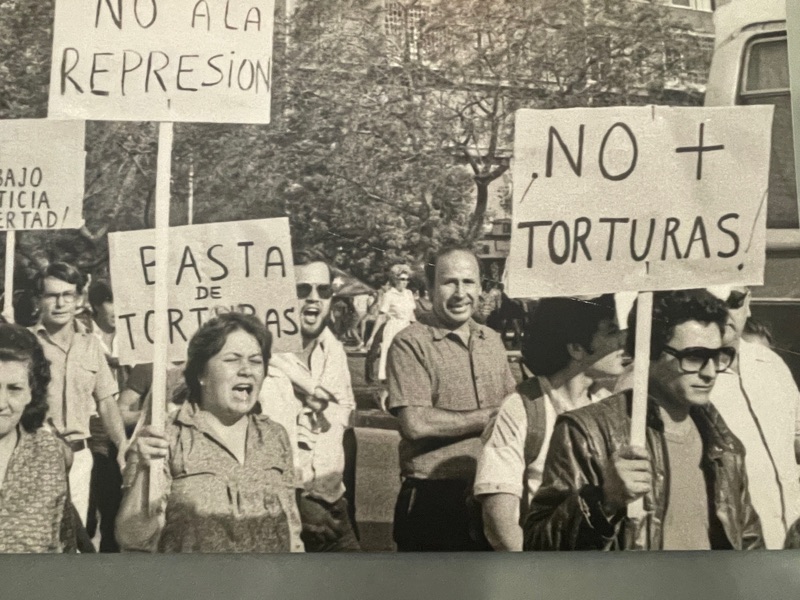
Museum of Memory and Human Rights

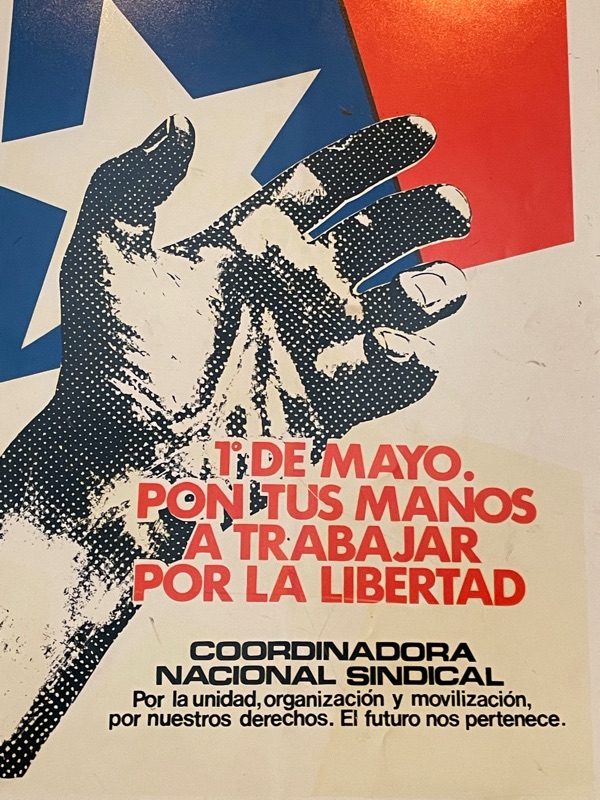
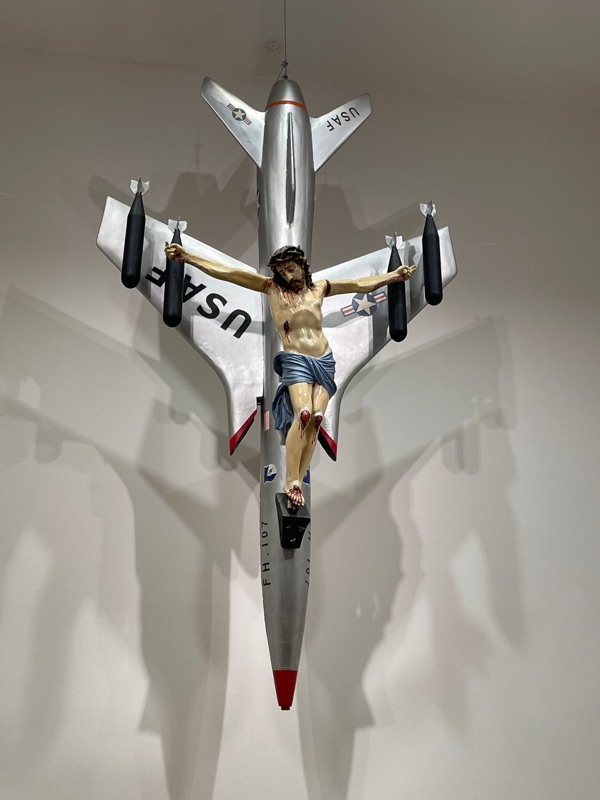
The Museum of Memory and Human Rights documents the human rights violations committed during Augusto Pinochet’s military dictatorship from 1973 to 1990. Thousands of Chileans were killed or disappeared, while many others were tortured, imprisoned, or driven into exile.

After losing a national referendum, Pinochet left the presidency, allowing Chile to return to democratic government. The museum presents this difficult period chronologically through photographs, documents, and survivor testimony. Walking through the exhibits is a solemn experience. 

Preserving these stories is essential so that such atrocities are not forgotten or repeated. 

Admission was free.
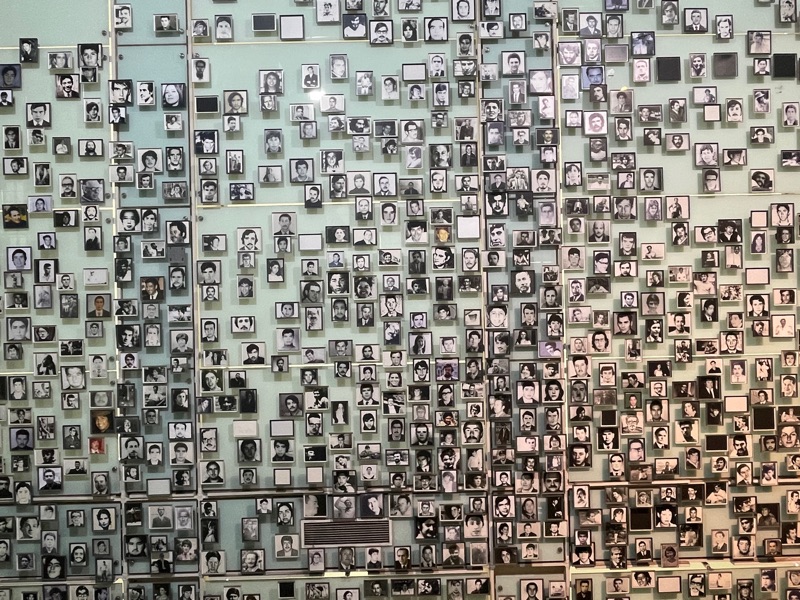
MUSEUM OF MEMORY AND HUMAN RIGHTS

La Chascona - Pablo Neruda's House

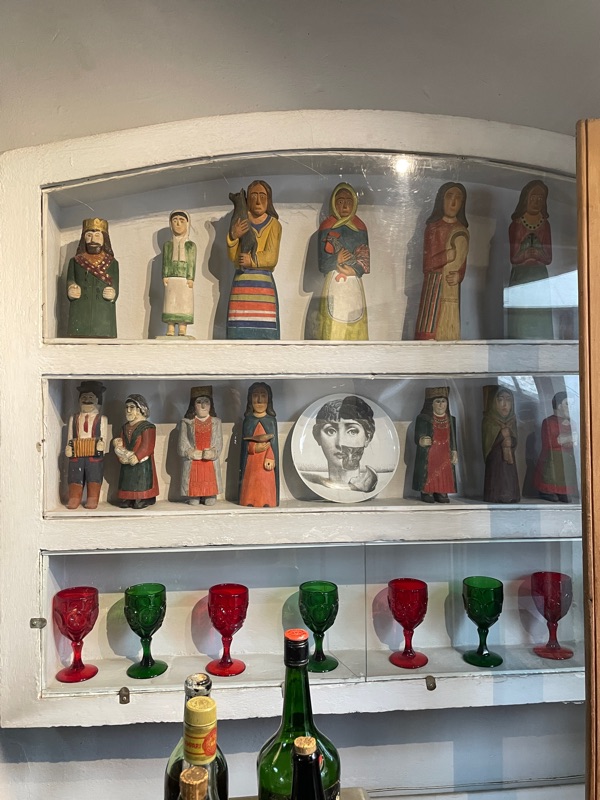
La Chascona is the unusual Santiago home that poet Pablo Neruda began building in 1953 for Matilde Urrutia, who was his secret love at the time and later became his third wife. Neruda named the house after his nickname for Matilde, inspired by her unruly red hair.

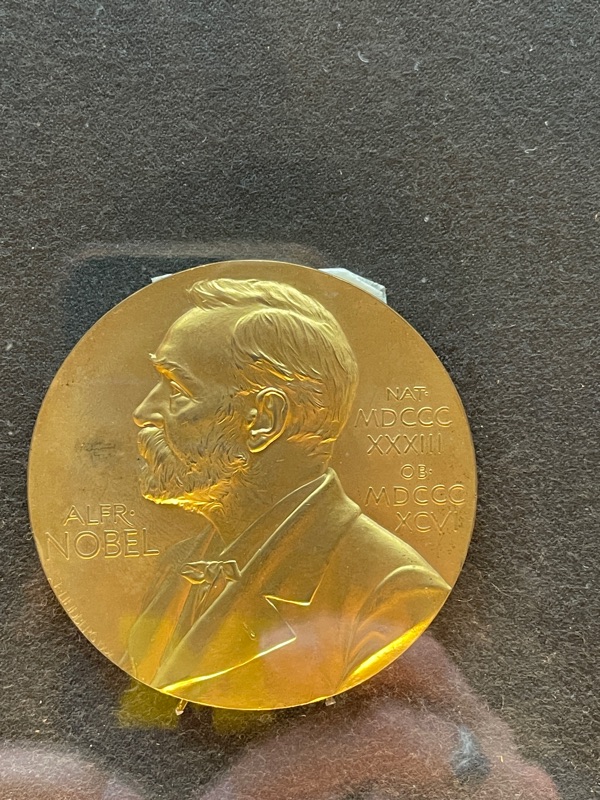
Neruda received the Nobel Prize in Literature in 1971, and Chileans remain extremely proud of his literary legacy. The house’s quirky design reflects his fascination with the sea and contains an eclectic collection of artwork and unusual objects. 

Located in Santiago’s lovely Bellavista neighborhood, La Chascona was well worth visiting. Admission at the time was approximately $10, with reduced prices available for students and seniors.
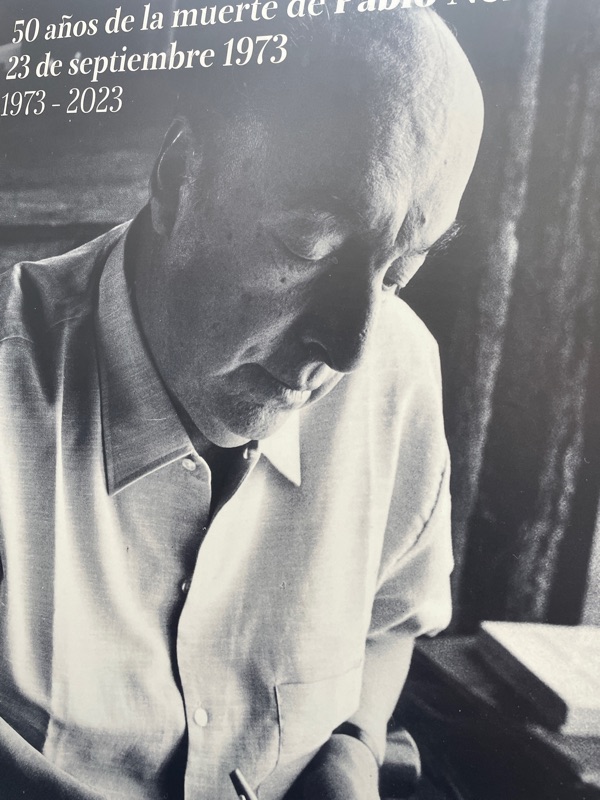
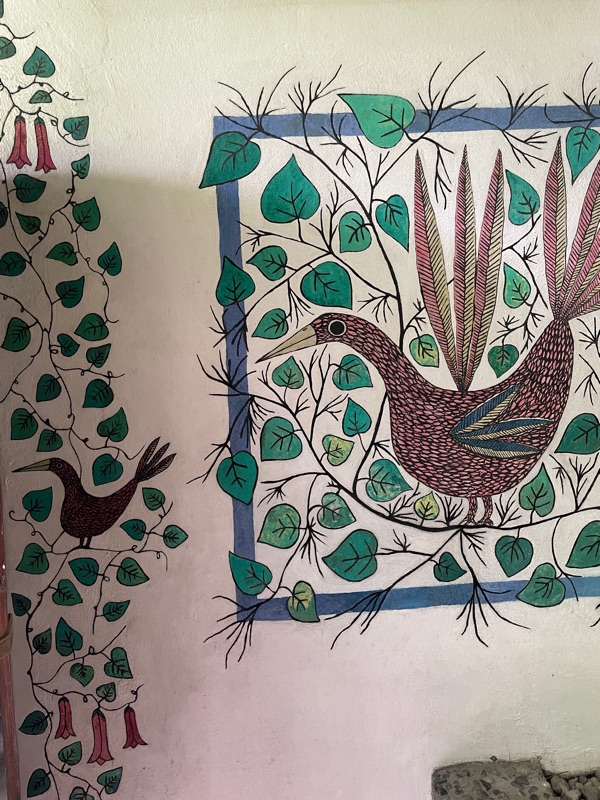
PABLO NERUDA HOUSE


Sky Costanera

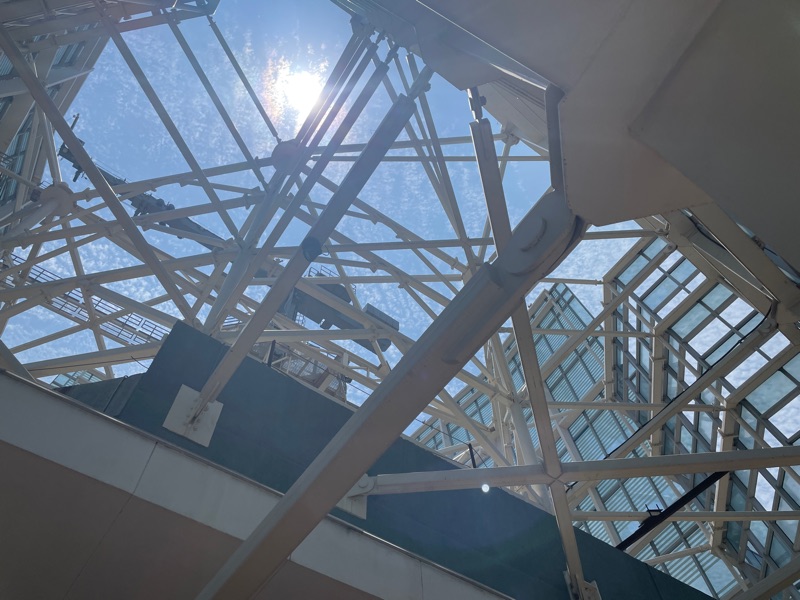
Sky Costanera occupies the 61st and 62nd floors of the Gran Torre Costanera, the tallest skyscraper in South America. Its observation decks provide sweeping 360-degree views across Santiago and toward the Andes Mountains.

Admission was approximately $25 at the time of my visit, and tickets could be purchased online. Food and drinks are available at the top, making it a pleasant place to relax while enjoying the scenery. Sunset is an especially beautiful time to visit.
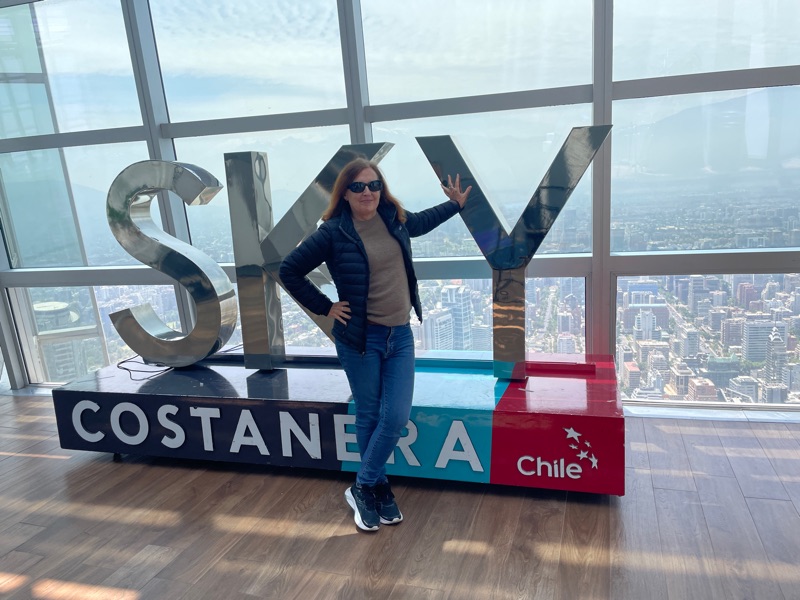
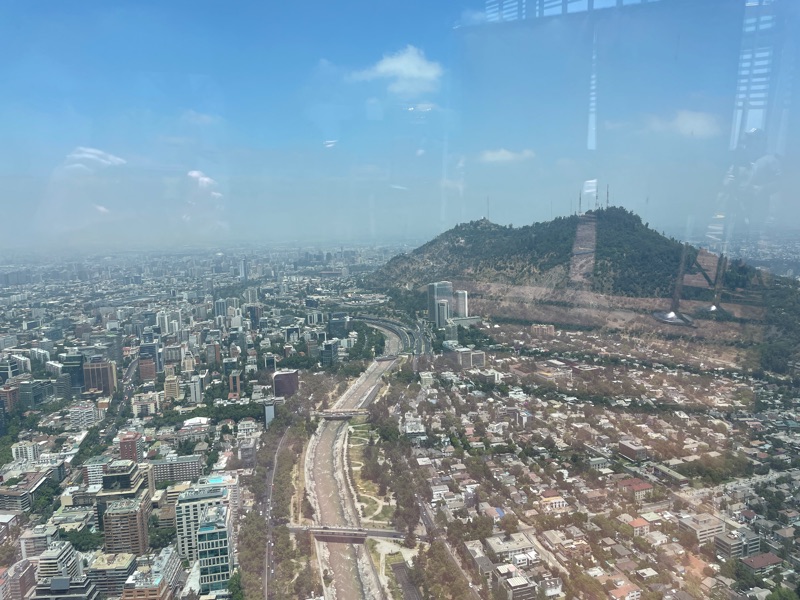
SKY COSTANERA

These three stops offered very different perspectives on Santiago—its painful recent history, its literary heritage, and its modern skyline. It was a full and meaningful final day before saying goodbye to Chile.
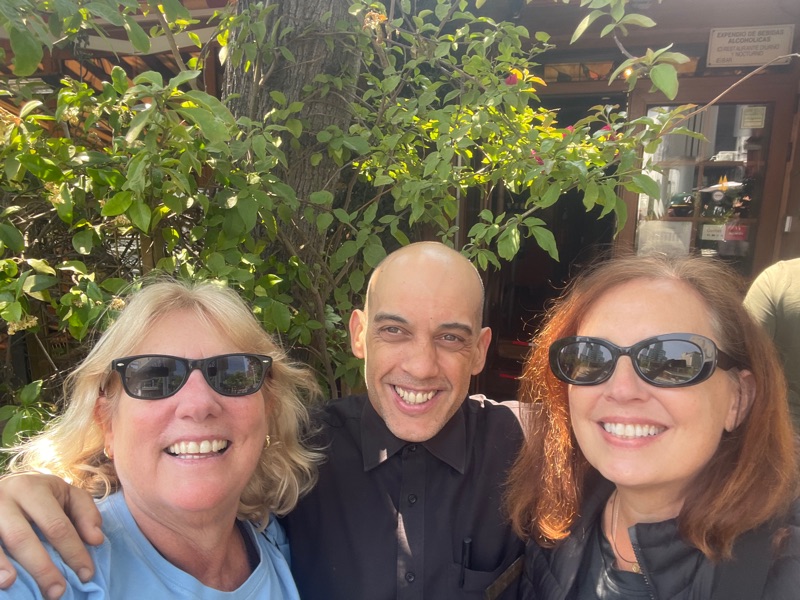
     

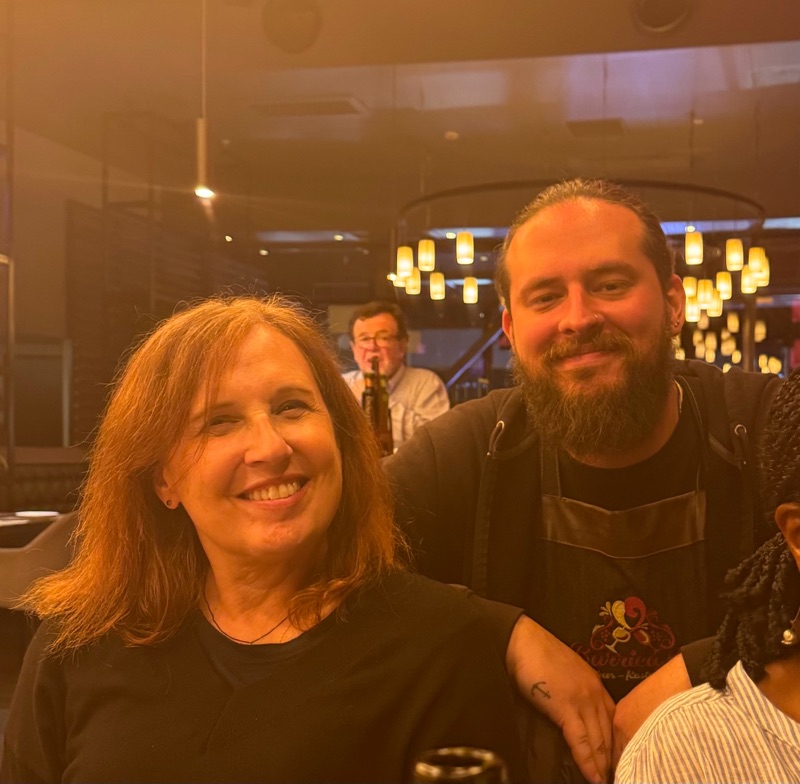
Our waiter from our first night in Santiago! He greeted us like an old pal.

My Take on Santiago

Santiago proved to be a fascinating city where history, culture, food, and modern life come together beneath the Andes Mountains.  Each stop revealed a different side of the capital. Add excellent Chilean wine, delicious food, and an easy day trip to colorful Valparaíso, Santiago is a destination worth exploring.

Getting to Arturo Merino Benítez International Airport

Now it was time to get going. We needed plenty of time to deal with immigration at the airport. The Uber driver picked us up, but unexpectedly took a different route to the airport . Perhaps it was his first time or he tried to circumvent rush hour traffic, who knows? He seemed to have gotten lost at the terminal too.  Not speaking much Spanish, it was difficult for us to communicate. When finally dropped off, a swarm of police approached and he presented a bunch of papers. It was strange, but we didn’t hang around for the drama because we had important things to do.

The return trip to NYC went well, especially with the bonus of an empty middle seat!

Adios mon Ami … until next time.
12/4/24

Valparaiso: A Colorful Day Trip from Santiago

Valparaiso

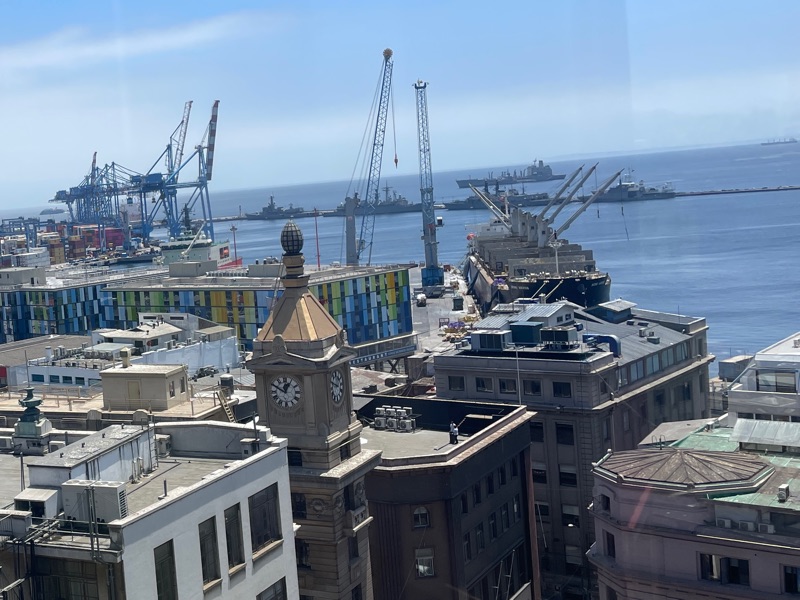
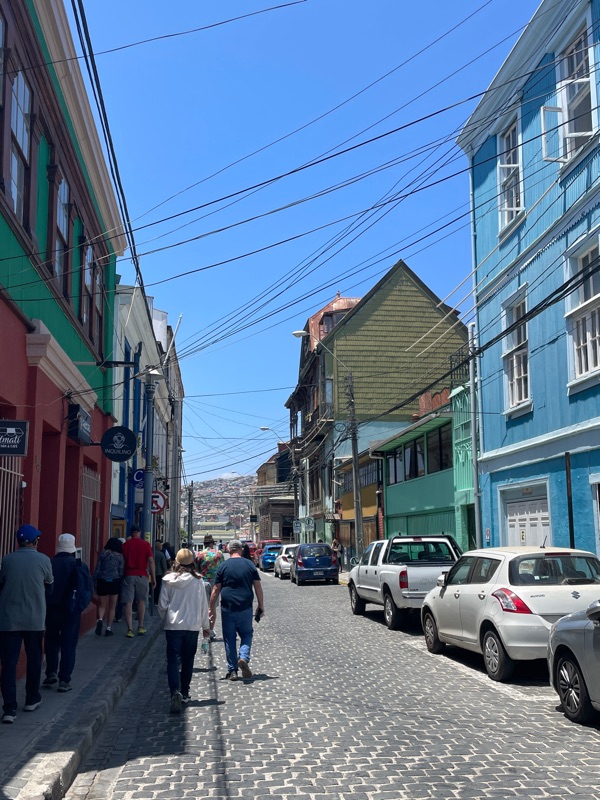
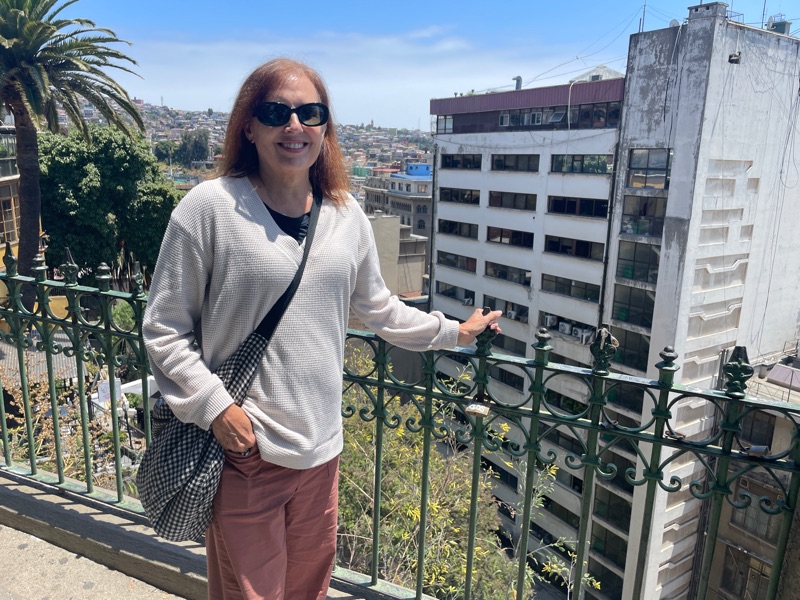
Valparaíso is approximately a 90-minute drive northwest of Santiago,  on Chile’s Pacific coast. Often called the “Jewel of the Pacific,” this colorful port city is a UNESCO World Heritage Site.

Valparaíso was built across a series of steep hills overlooking the harbor. One of the most enjoyable ways to reach its upper neighborhoods is by riding a historic funicular, such as Ascensor El Peral or Ascensor Reina Victoria. At the top, narrow streets and scenic overlooks provide panoramic views of the city, port, and Pacific Ocean.

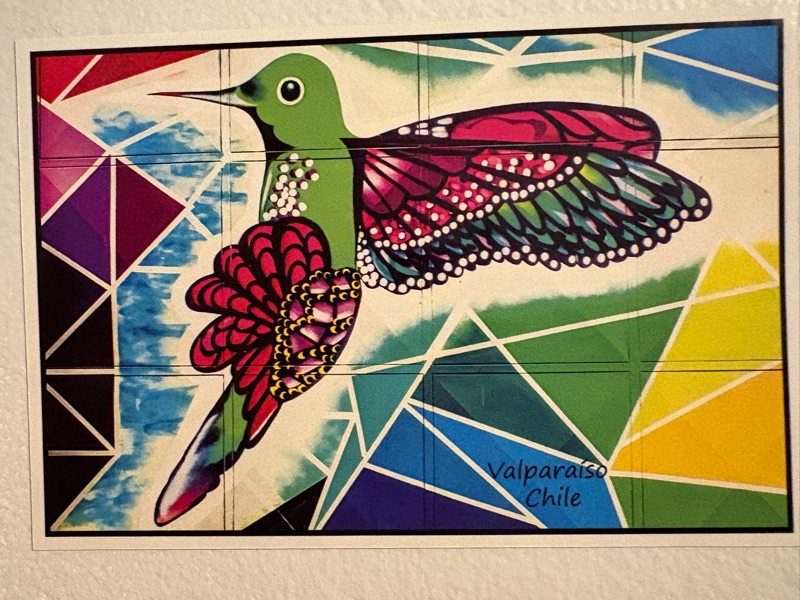
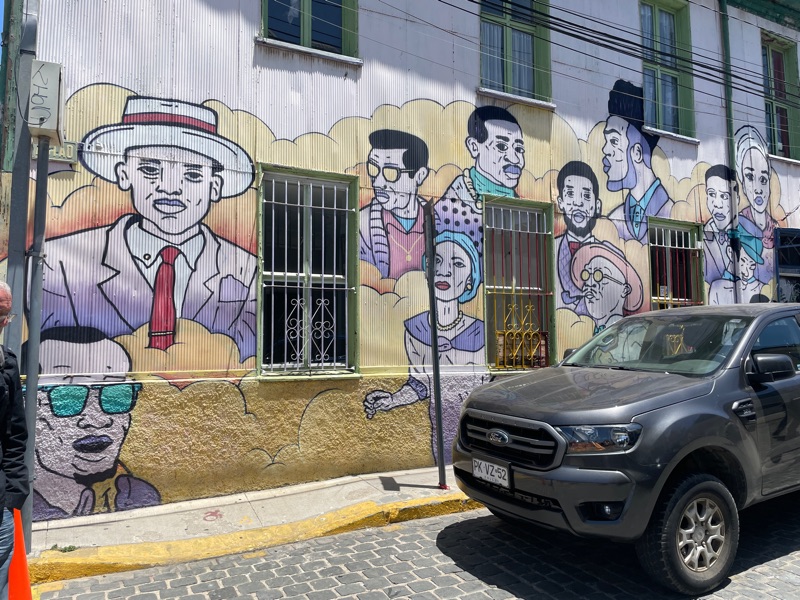
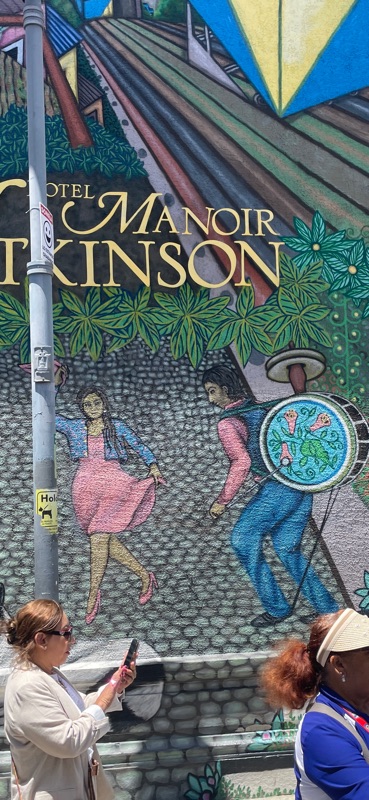
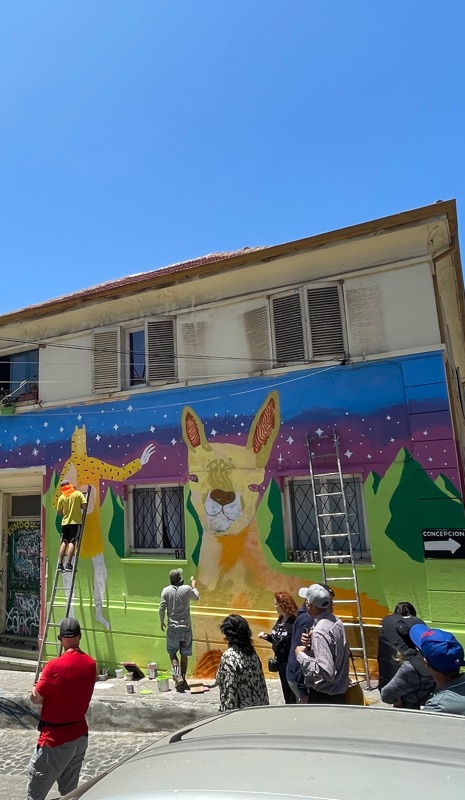
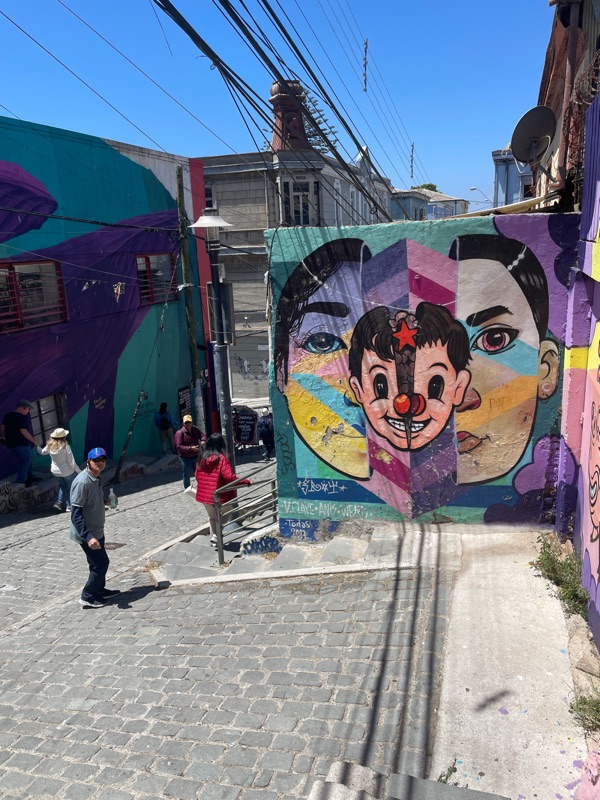
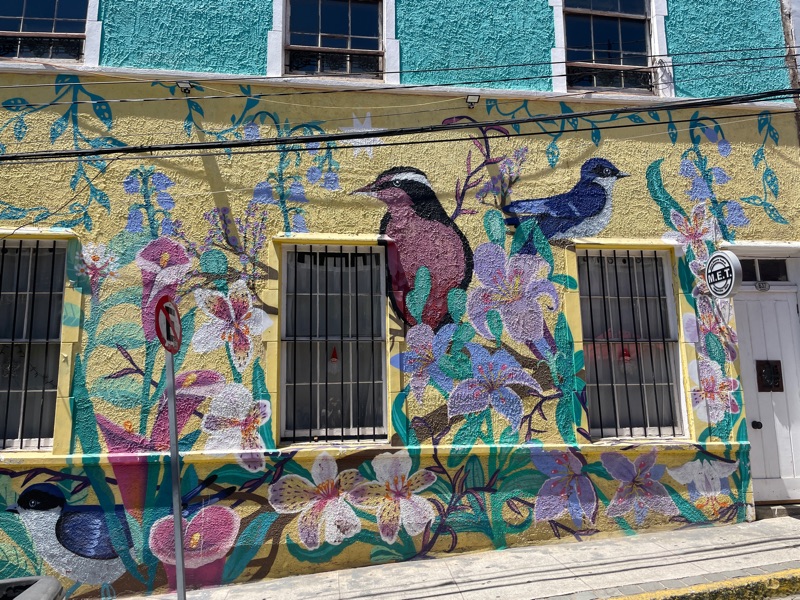
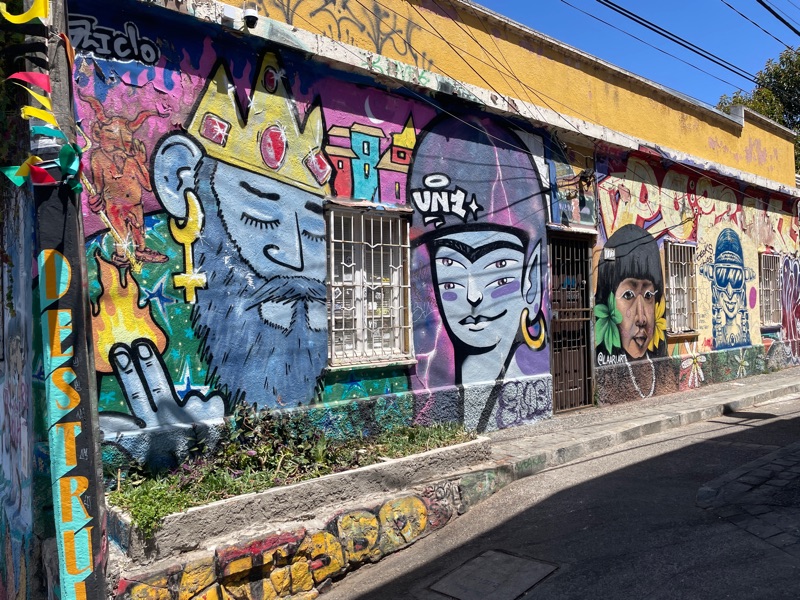
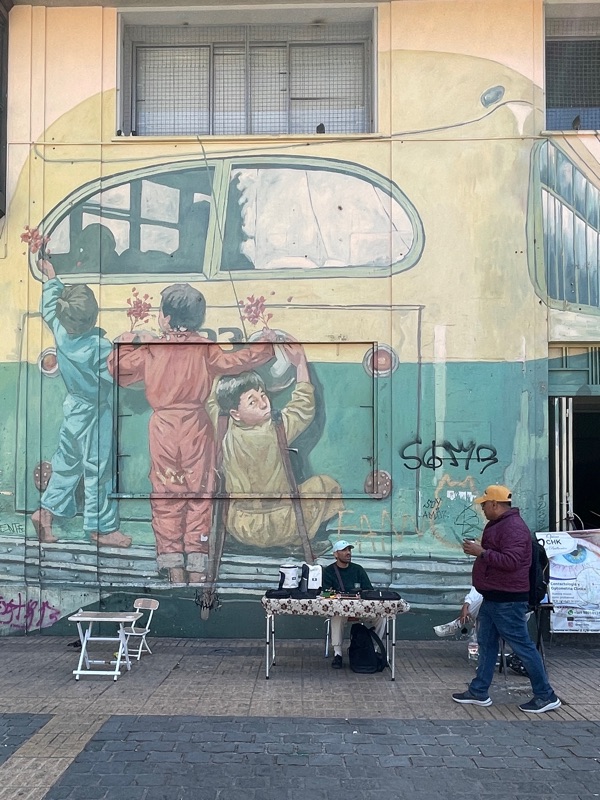
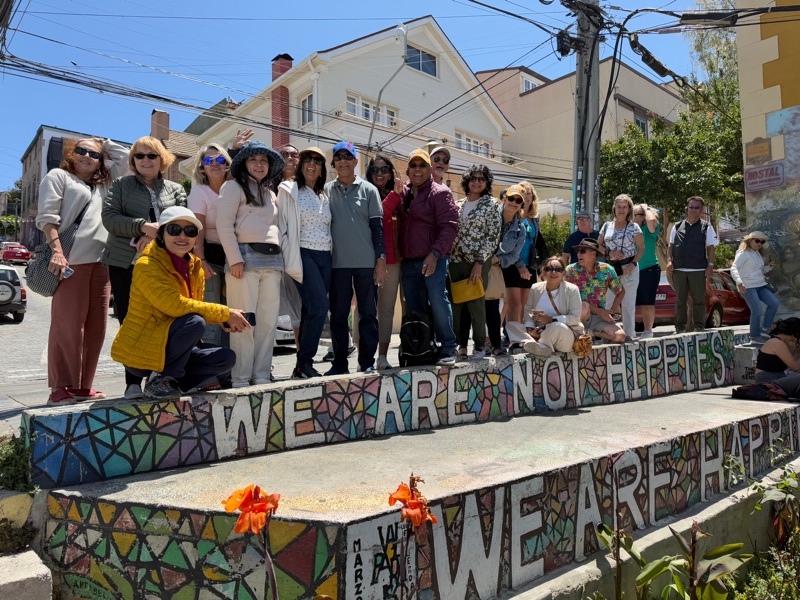
The city is a lively center for cafés, artists, musicians, and street art. Small shops sell local handicrafts, jewelry, and prints created by local artists. Valparaíso is especially famous for its colorful murals, which cover walls or entire buildings in some neighborhoods.

Street art has become an important part of the city’s identity.  Following Chile’s return to democracy, murals increasingly became a means of expressing political, social, and cultural ideas in public spaces. Local and international artists continue to add their work, transforming parts of Valparaíso into an enormous open-air gallery.


Restaurants serve Chilean fusion dishes and typical local dishes like ceviche and empanadas. Cafe del Pintor, Fauna, or Restaurant La Concepcion have rooftop views. Try one for lunch.

One of his three homes, Pablo Neruda's House, La Sebastiana, can be visited for an entry fee of $6. He won a Nobel prize for poetry in 1971 and is the pride of Chile. The house is described as quirky and is full of his collections. It also has stunning views.

VALPARAISO 

View of the Port from the Hill

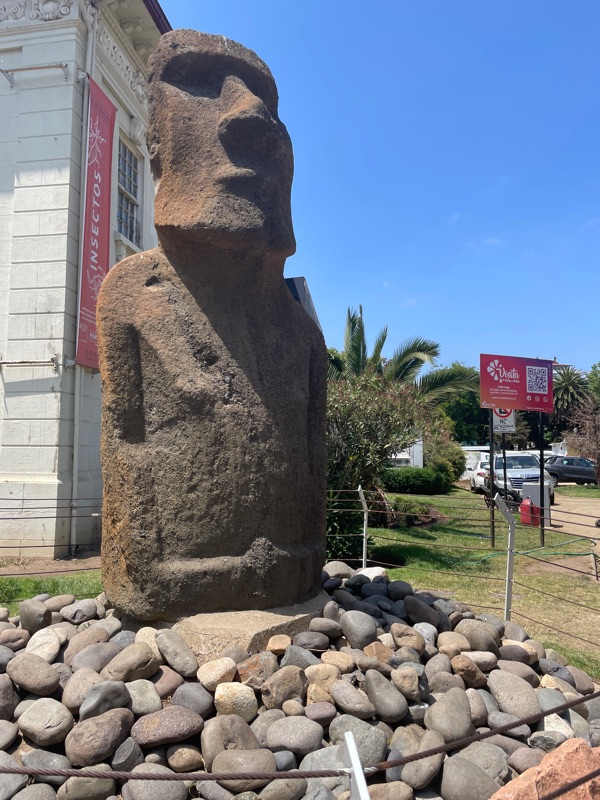
 Easter Island Wood Carving

.   Street Art Valparaiso.  Street Art ValparaisoStreet Art Vaparaiso

.  Street Art ValparaisoStreet Art ValparaisoSTREET ART VALPARAISO 

VALPARAISO


Time to Say Goodbye

Tonight is our Farewell dinner and time to say goodbye to all our new friends. A Farewell dinner is more than just a meal. It is a chance to share memories before parting ways and keep up with new friendships formed through our shared experience.

Since my flight is late tomorrow night, I will have some time to visit a couple of extra attractions before heading back to JFK.

12/2/24

Santiago Chile - Fascinating City Beneath the Andes

Travel Day - Arriving in Santiago

Today was a travel day to Santiago. Although we arrived shortly after 2:00 p.m., long lines at immigration delayed us, and we did not reach the hotel until 5:00.

At immigration, I received a tourist document that needed to be presented when leaving Chile—definitely not something to lose. Trained dogs were sniffing luggage for prohibited agricultural products, and officers were opening selected bags for inspection. Chile takes the protection of its agriculture very seriously, so entering the country is not necessarily a breeze.

Afterward, I remembered that I had some nuts left in my bag from the flight from New York. Products of plant or animal origin must be declared upon arrival, so this was a good reminder to check every corner of my carry-on before going through customs. Fortunately, the dog did not take an interest in me. 

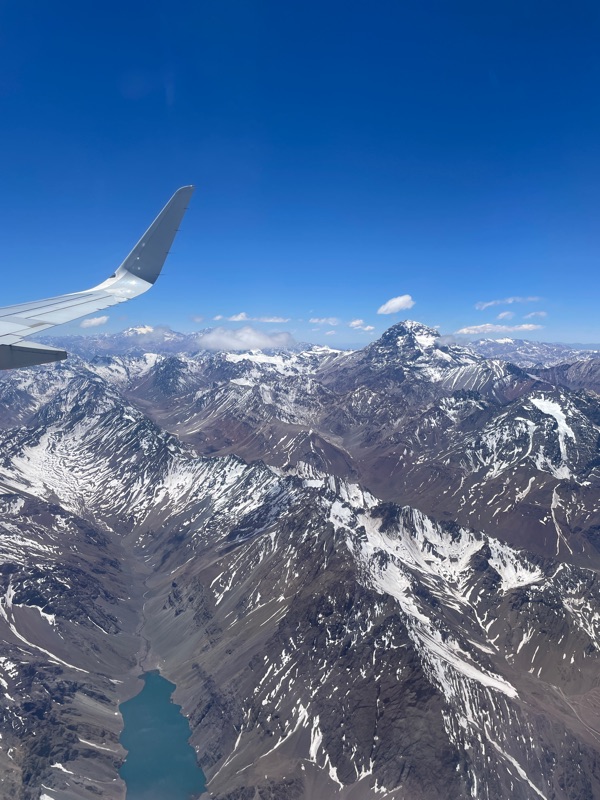
Santiago, the capital and largest city of Chile, sits in a valley surrounded by the Andes Mountains. The city has a growing culinary scene, which we were happy to begin sampling on our first night. Santiago is also the gateway to the Maipo Valley, one of Chile’s most famous wine regions and particularly well known for its Cabernet Sauvignon.

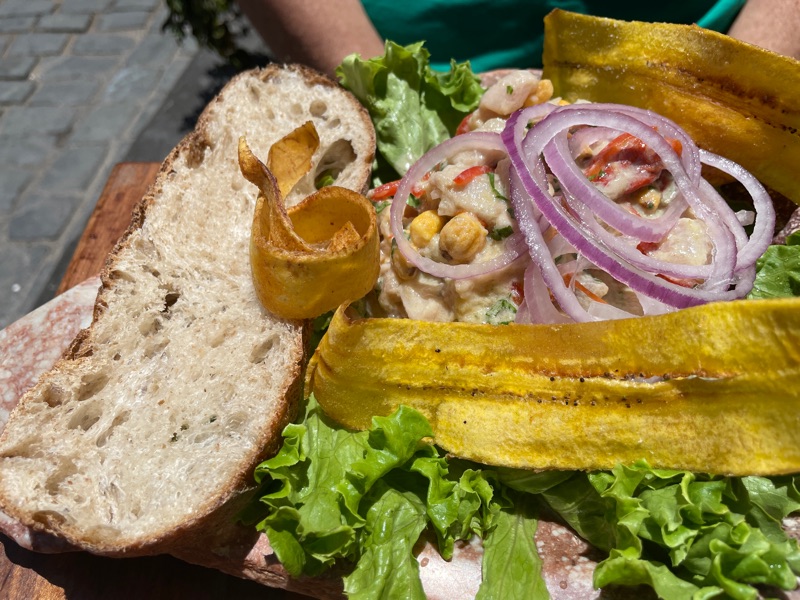
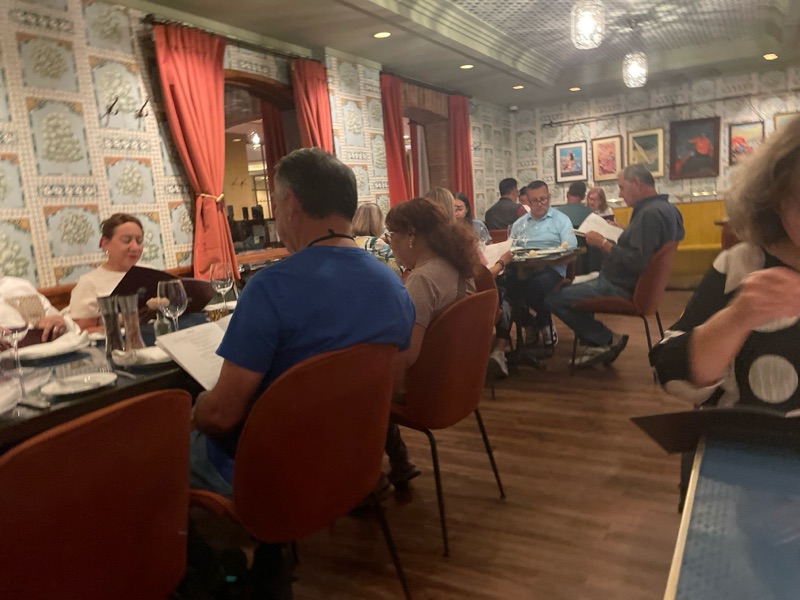
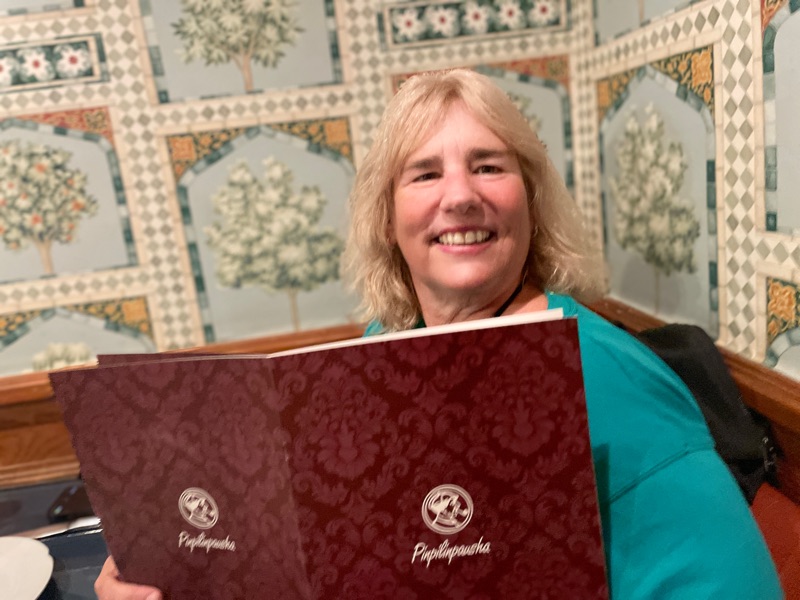
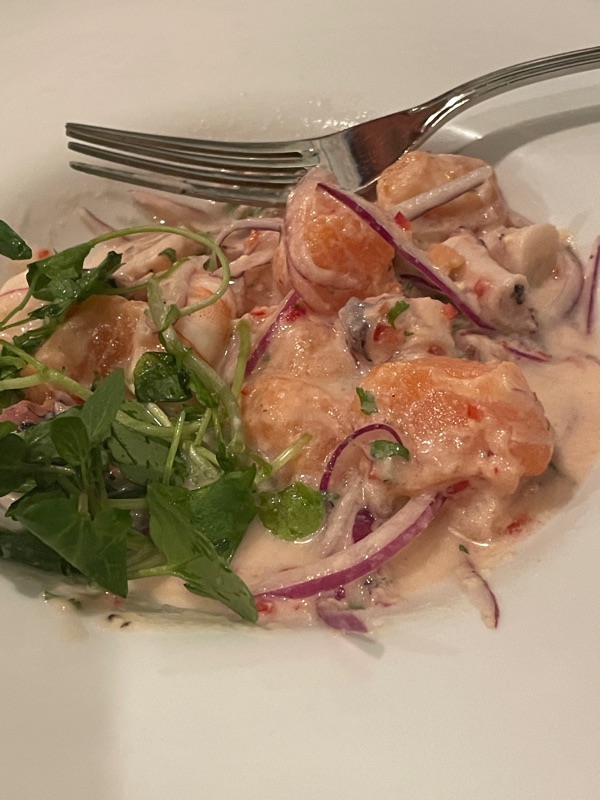
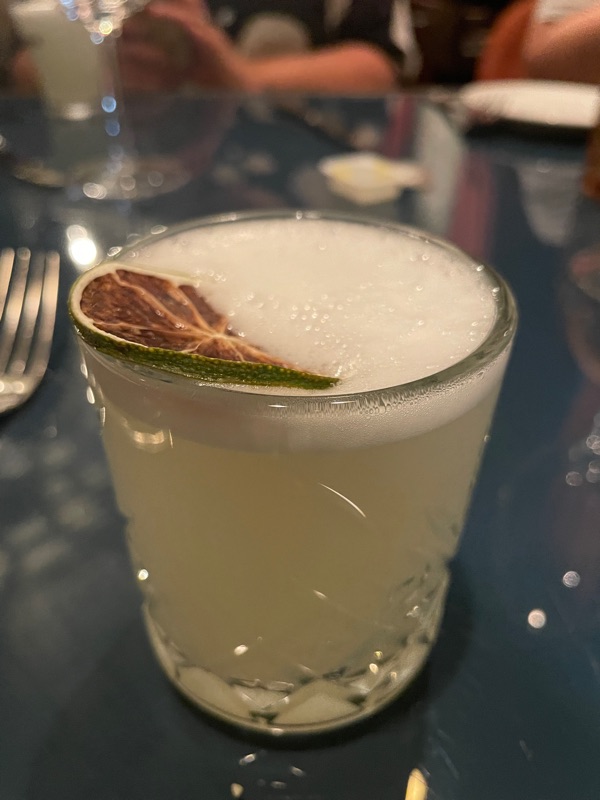
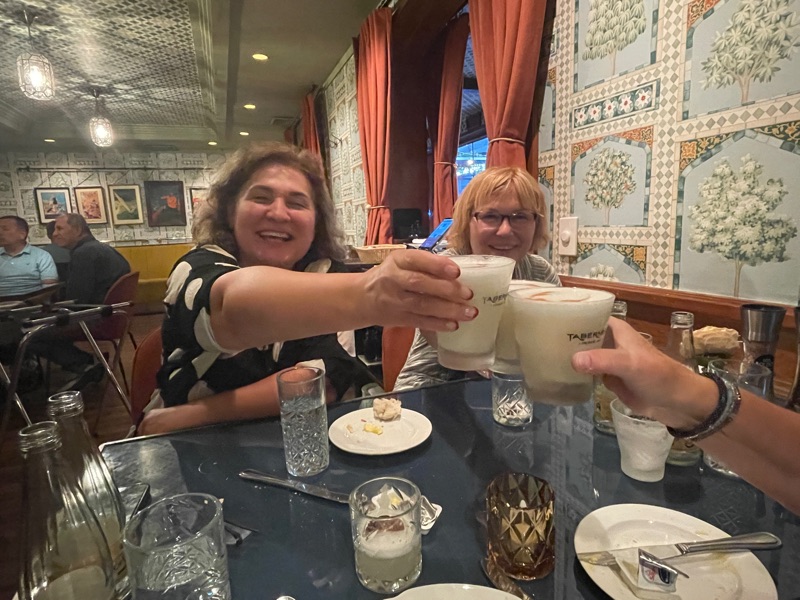
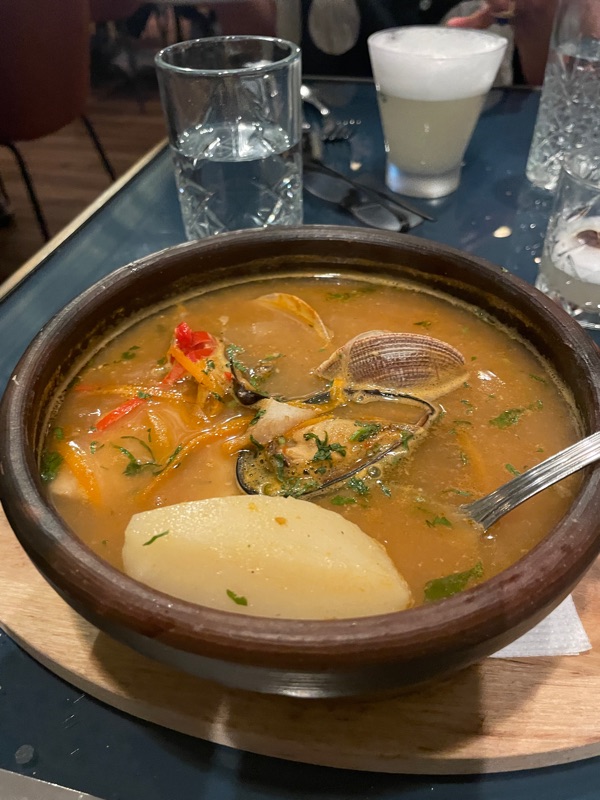
Once we had settled into the hotel, Veni took us to one of his favorite restaurants, Pinpilinpausha. We celebrated our arrival with ceviche, pisco sours, and a delicious fish soup—a very satisfying introduction to Santiago.

   .    .   .    

San Cristobal Hill

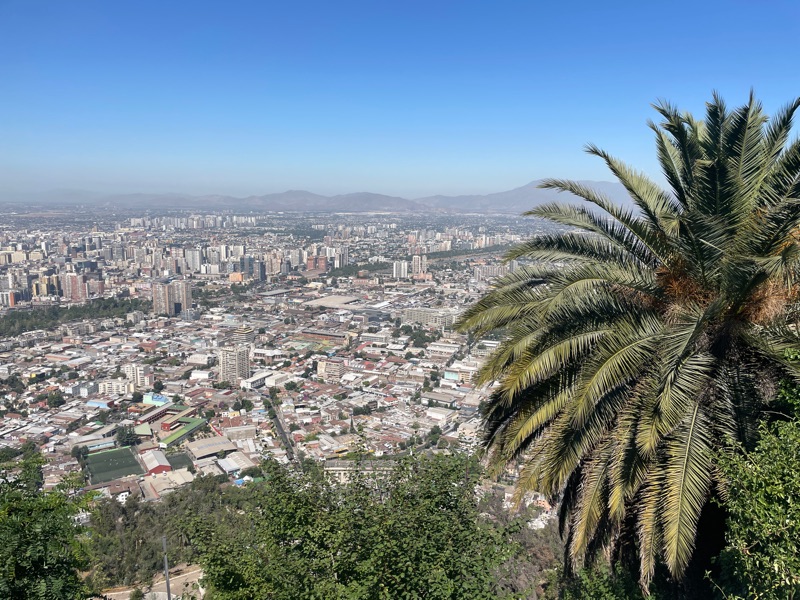
The following day, we rode the funicular to the top of San Cristóbal Hill, one of Santiago’s highest and most popular attractions. At the summit is the Sanctuary of the Immaculate Conception, which includes a chapel, an amphitheater, and a large statue of the Virgin Mary.

The summit provides expansive views across Santiago and toward the Andes Mountains. Earlier in the day, the skyline was relatively clear, but by late morning, the familiar layer of smog had begun to settle over the city. The view was still impressive, although it also revealed one of the environmental challenges created by Santiago’s location in a valley.

SAN CRISTOBAL.        

Afterwards, we got a quick tour of downtown where a government worker protest was going on in the distance. The tour company steers clear of any potential trouble so we didn't stay there very long.

.     

Undurraga Winery

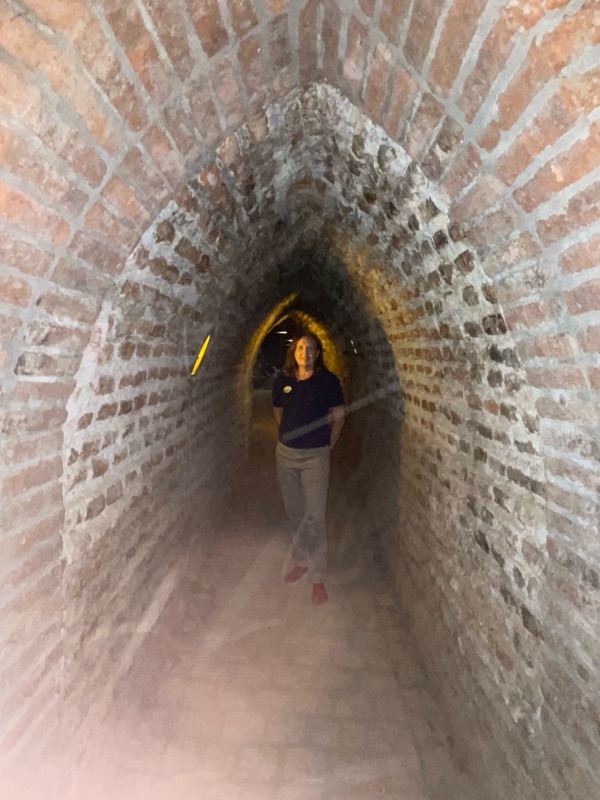
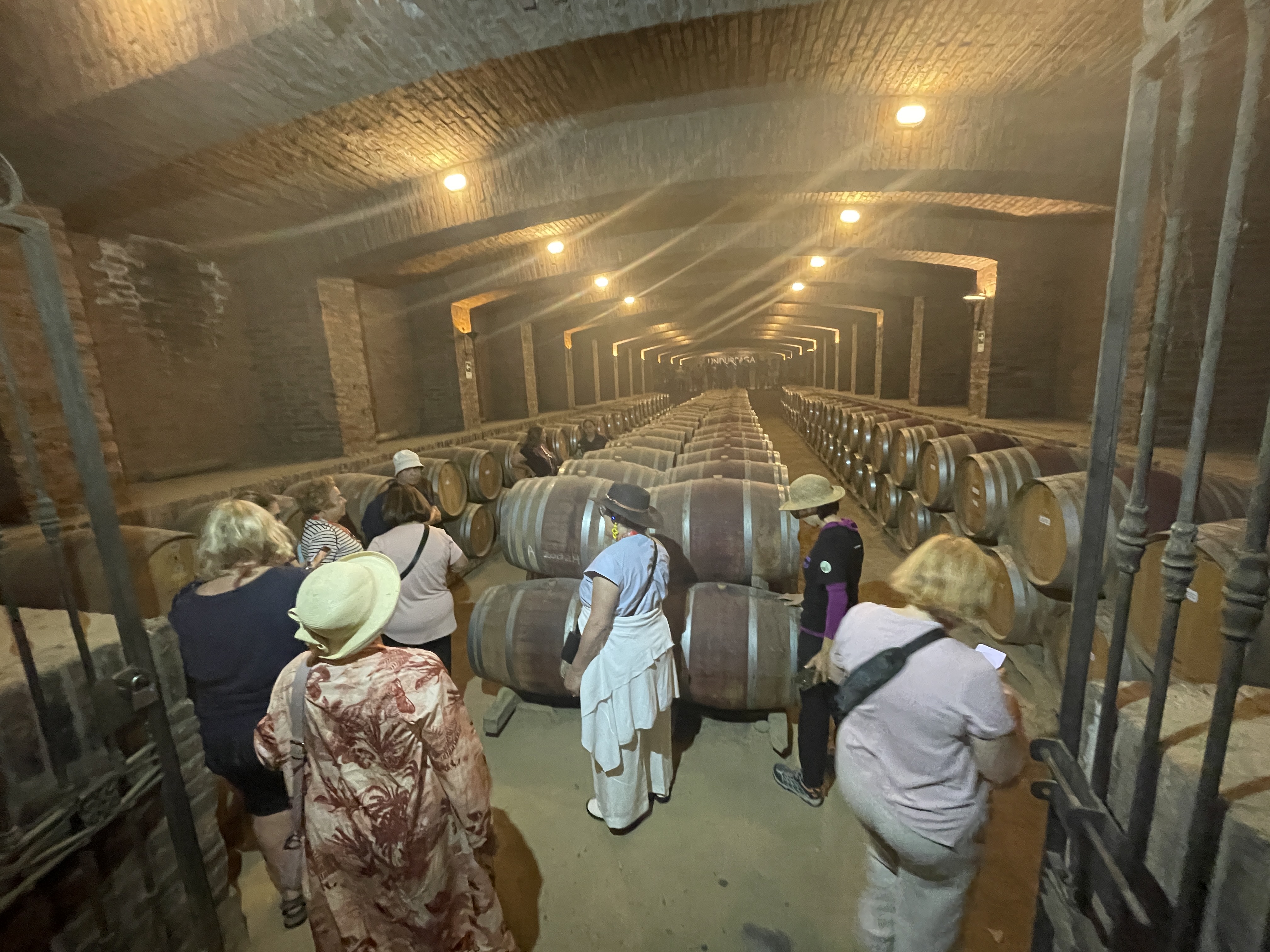
In the afternoon, we went  to the Undurraga Winery, a historic Chilean vineyard established in 1885. Located in the Maipo Valley, it is approximately an hour’s drive from Santiago.

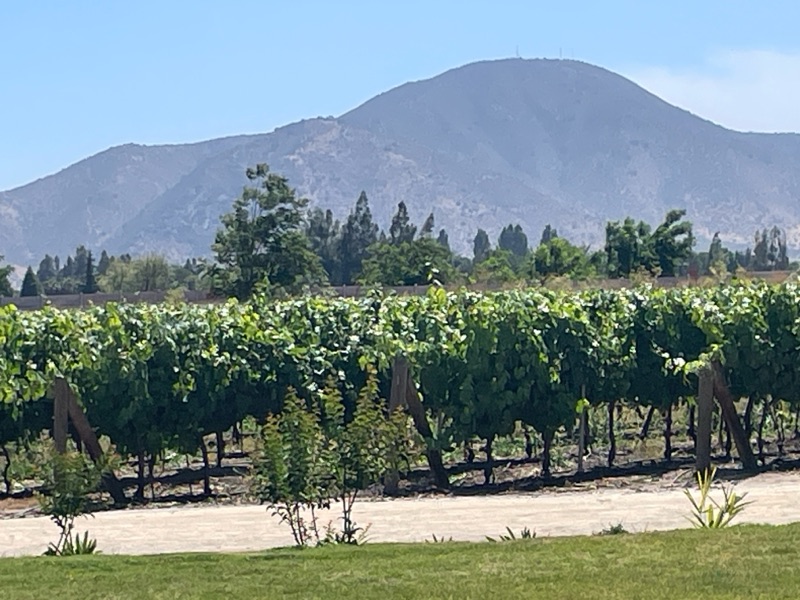
Chile’s geography and  dry climate provide excellent conditions for producing a wide variety of wines. The Andes Mountains, Pacific Ocean, and long north-to-south landscape create numerous growing regions and microclimates. 

Many Chilean winemakers have embraced sustainable viticulture, organic farming methods, and environmentally responsible wine tourism.

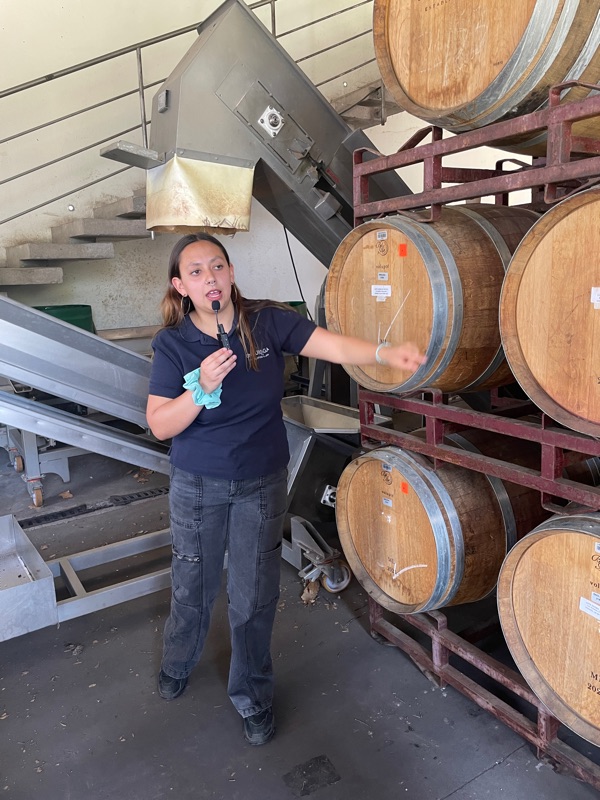
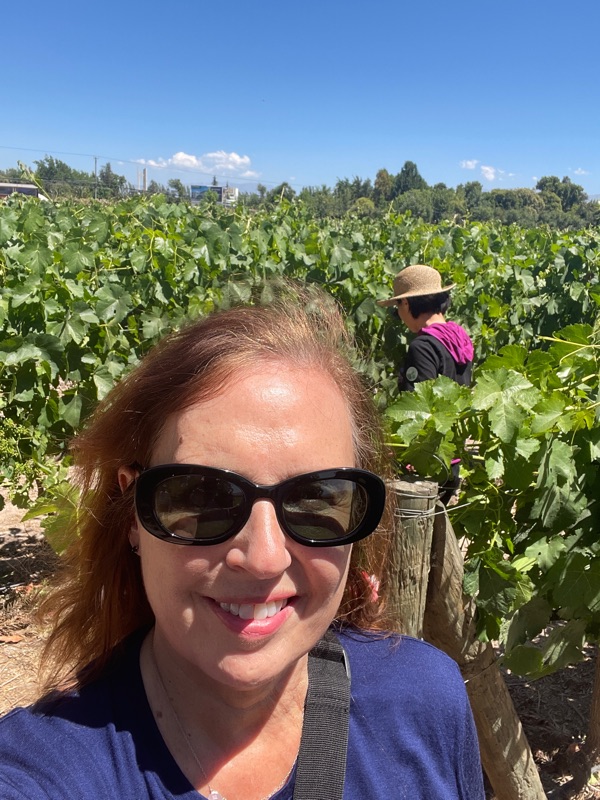
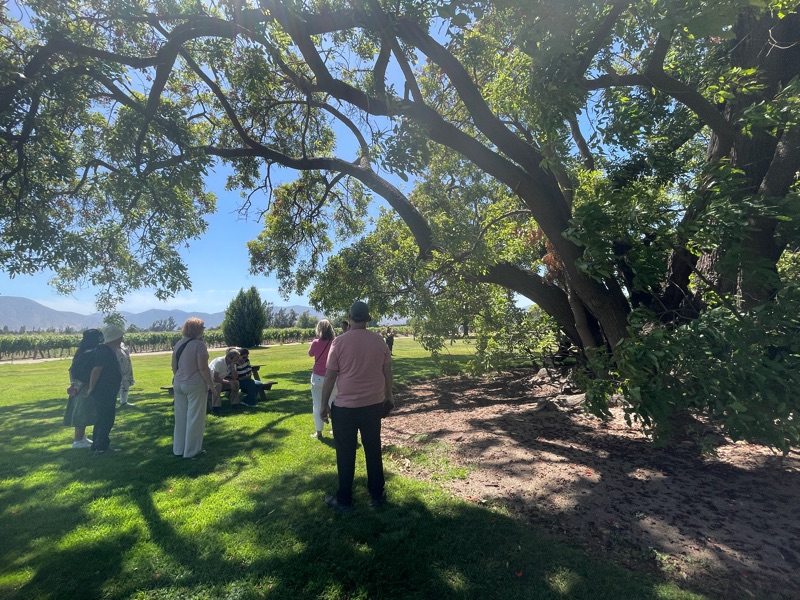
The vineyard and its gardens were gorgeous, making the visit enjoyable even before the tasting began. We learned about the winemaking process, toured the property, and sampled several Chilean wines. 

.    UNDURRAGA WINERY

.  

My First Full Day in Santiago

My first full day in Santiago offered a wonderful combination of city views, history, and Chilean wine. Riding the funicular to the top of San Cristóbal Hill gave us a panoramic look at the capital and the Andes, while our afternoon visit to Undurraga Winery introduced us to the beauty and flavors of the Maipo Valley. It was an excellent beginning to our time in Chile.


Continue reading about the rest of my South America adventure:

Flying from New York to Brazil: What to Expect

Made It to Rio de Janeiro—Despite the Travel Hurdles

Rio De Janeiro Must-See Sights: Christ the Redeemer, Sugarloaf Mountain and More

Iguazu Falls: Experiencing The Power of Nature in Brazil and Argentina

Buenos Aires - Exploring the Paris of South America

Discovering Buenos Aires: More Things To See and Do

12/1/24

Discovering Buenos Aires: More Things To See and Do


San Telmo

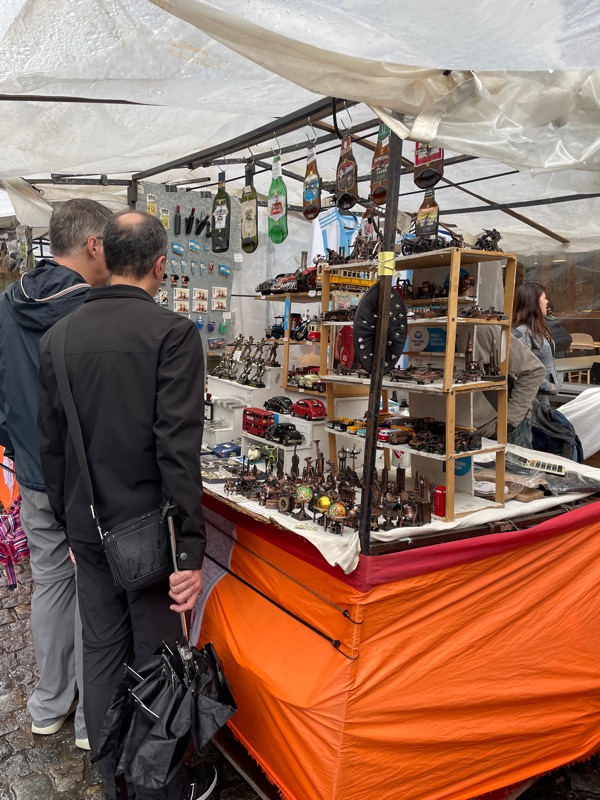
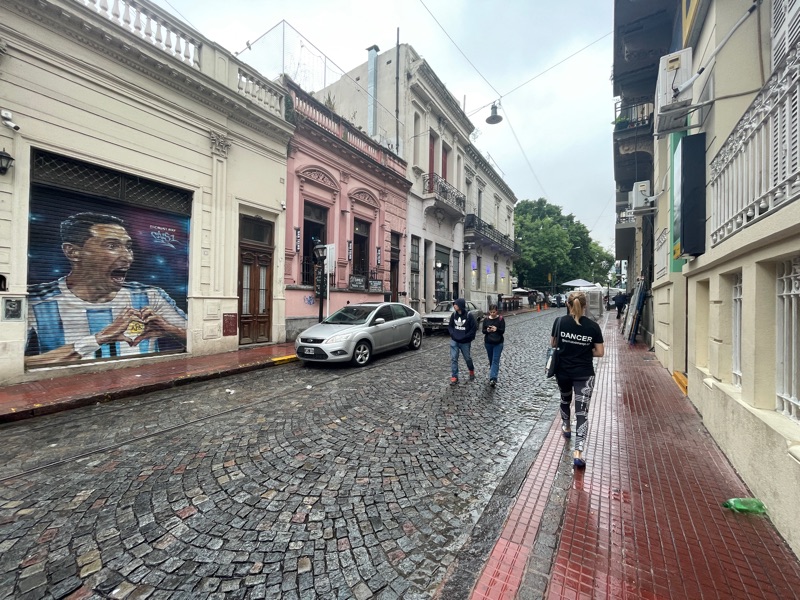
Today, I decided to skip a gaucho excursion featuring an enormous barbecue. After several days of heavy—but delicious—meals, the thought of eating more steak was not particularly appealing. Still, missing the chance to see authentic Argentine cowboys felt like a lost opportunity. Instead, I took the subway to explore San Telmo, a vibrant, bohemian neighborhood known for its outdoor markets.

One of the oldest neighborhoods in Buenos Aires, San Telmo is filled with historic architecture, cobblestone streets, antique shops, and lively street scenes. Its famous Sunday market stretches along Calle Defensa, while Plaza Dorrego occasionally comes alive with spontaneous tango performances—if you are lucky enough to catch one.

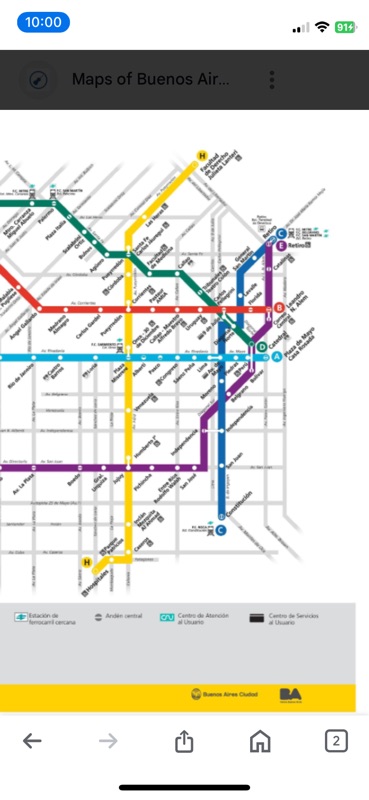
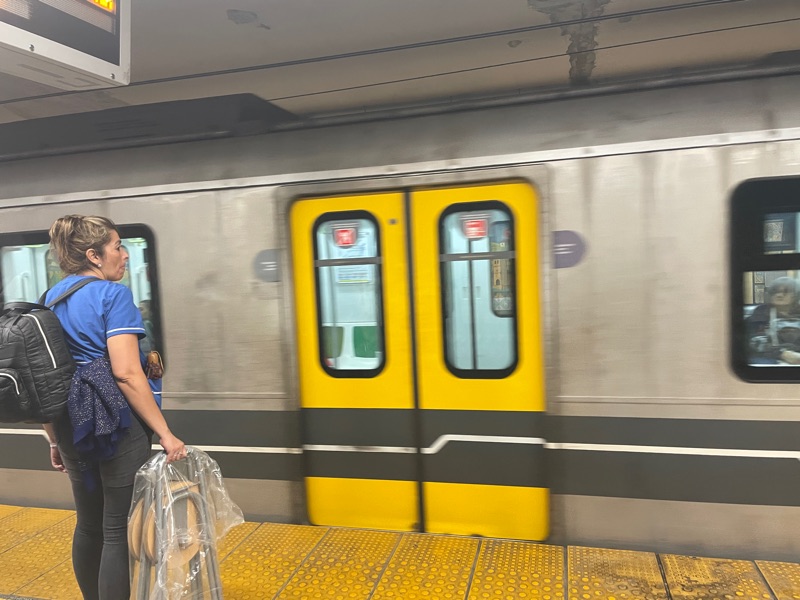
The subway was not too difficult to figure out, but I needed pesos because I could not pay with a credit card. I exchanged about $10 at a local cambio offering the unofficial “blue rate,” which was supposedly better than the official exchange rate. The transaction seemed a little shady, but since I was exchanging such a small amount, I decided not to worry about it. I also found the subway cleaner—and seemingly safer—than the one in New York.

Reaching the outdoor market required a fairly long walk from the subway. Because I was unfamiliar with the area, I felt a little uneasy navigating it alone. That is one of the less enjoyable aspects of solo travel. Fortunately, my New Yorker instincts kicked in, and I stayed alert while finding my way.

San TelmoSan Telmo

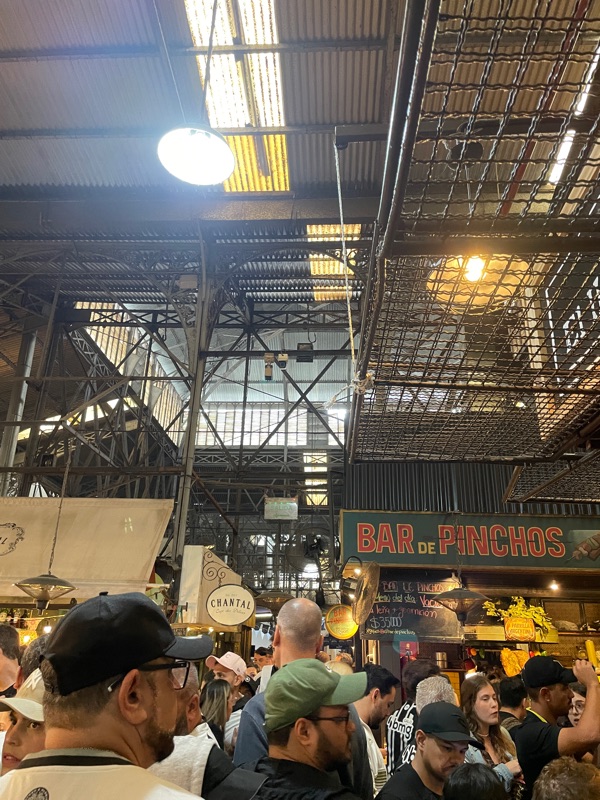
Because it was Sunday, the bars were packed with excited fans watching soccer matches. The atmosphere was lively, but I began to feel claustrophobic and left after a short while.

More my speed were the local shops filled with beautiful handmade Argentine goods, including leather bags, belts, and jackets. Many of the street stalls featured antiques or items that did not particularly interest me. Although San Telmo had a colorful and fascinating atmosphere, I eventually decided to move on to my next destination.

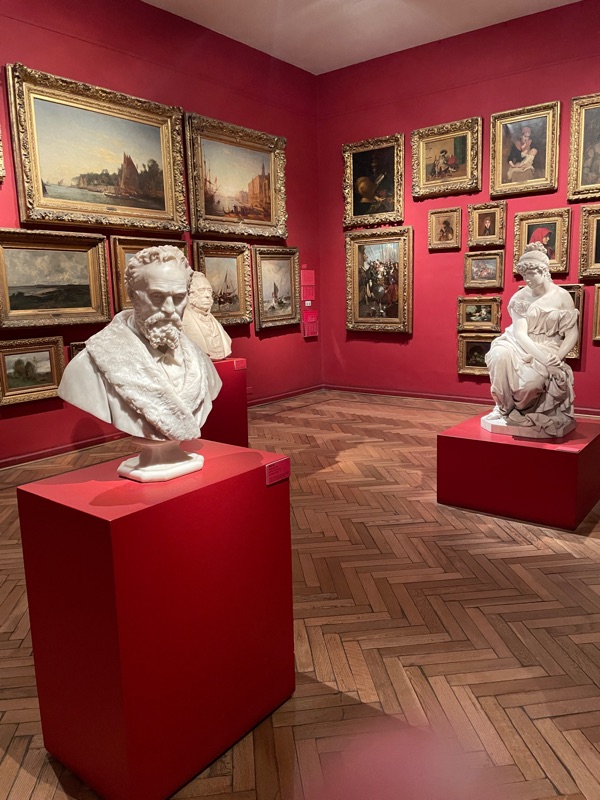
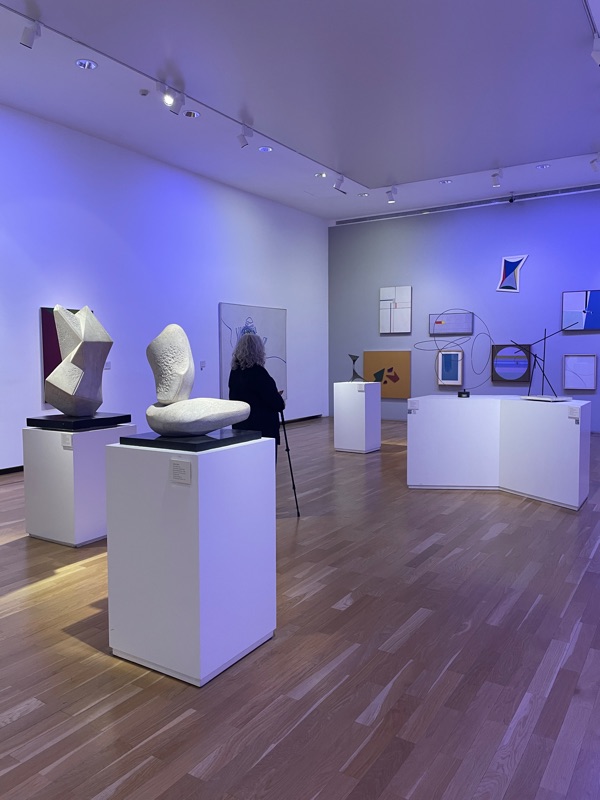
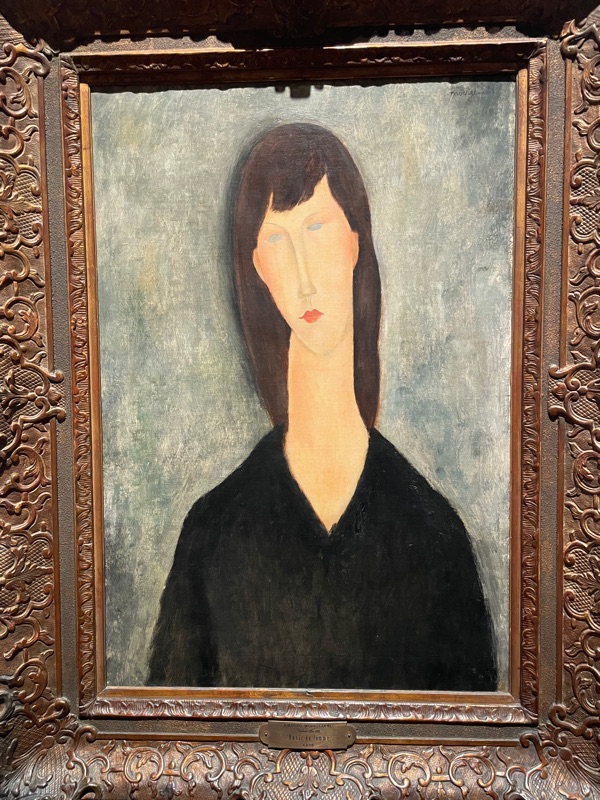
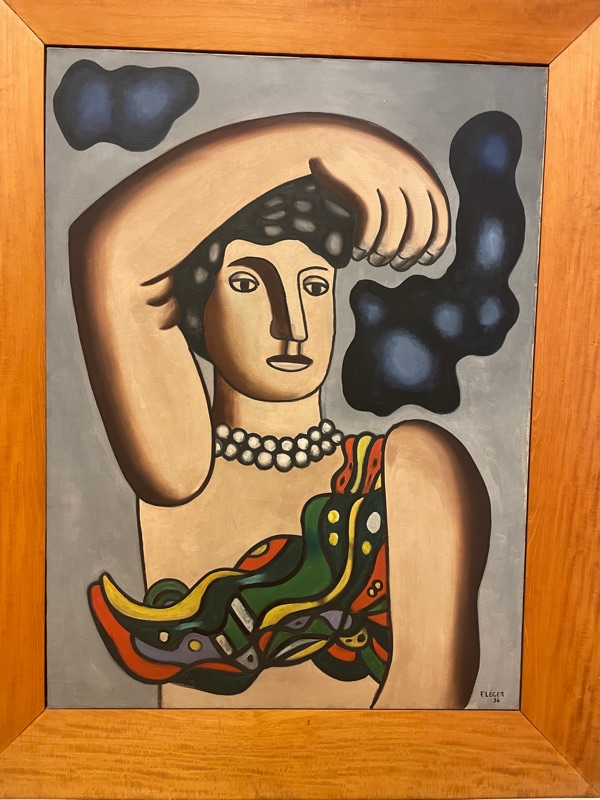
Museo Nacional de Bellas Artes

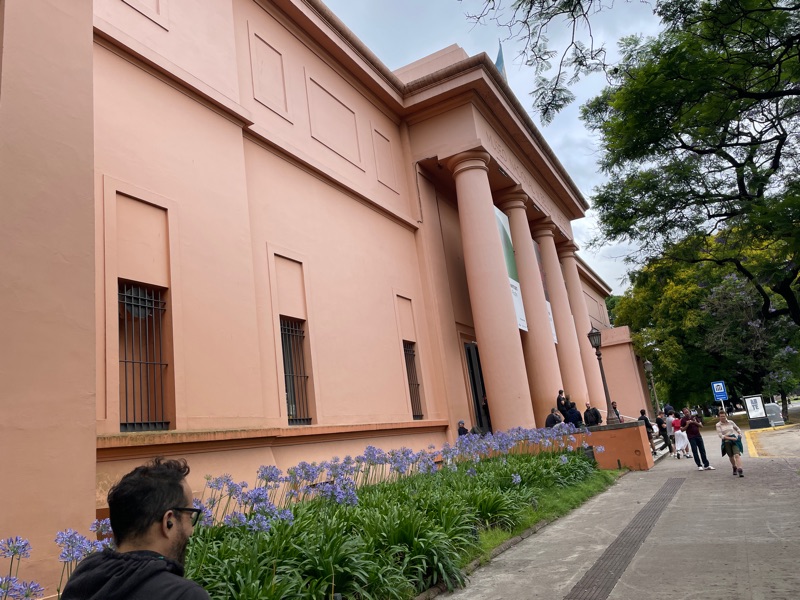
I then headed across town to the elegant Recoleta neighborhood to visit the National Museum of Fine Arts (Museo Nacional de Bellas Artes). Considered Argentina’s leading art museum and one of Latin America’s premier cultural institutions, it houses an impressive collection of Argentine and European art. Among its treasures are works by Rembrandt, Goya, Manet, Van Gogh, and other celebrated masters, with especially interesting modern and Post-Impressionist pieces.

Admission was free, and I simply walked inside—no metal detector or bag inspection required. Apparently, the museum trusted its visitors more than I expected, although plenty of security guards were keeping a watchful eye on the galleries.

Museo Nacional de Bellas Artes

Tomorrow.. Santiago