3/27/25

Reykjavík, Sky Lagoon and Blue Lagoon: My Final Days in Iceland


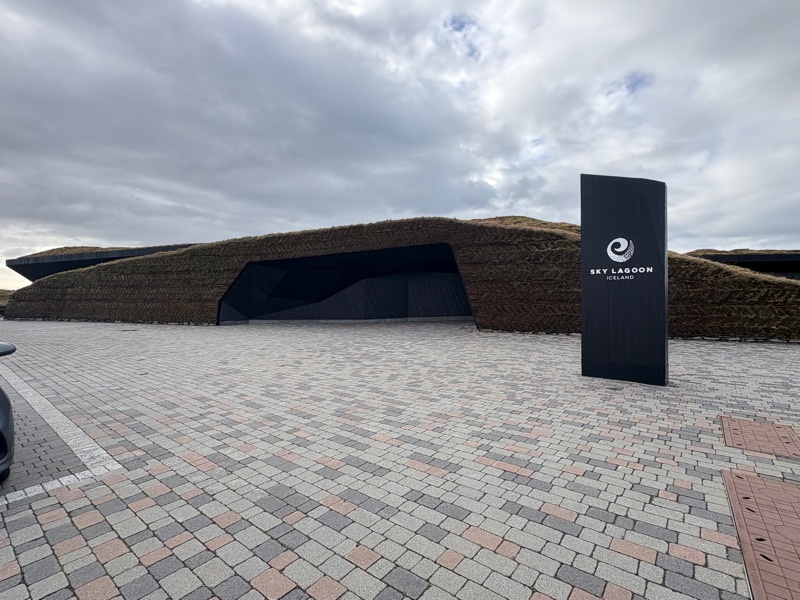
THE SKY LAGOON

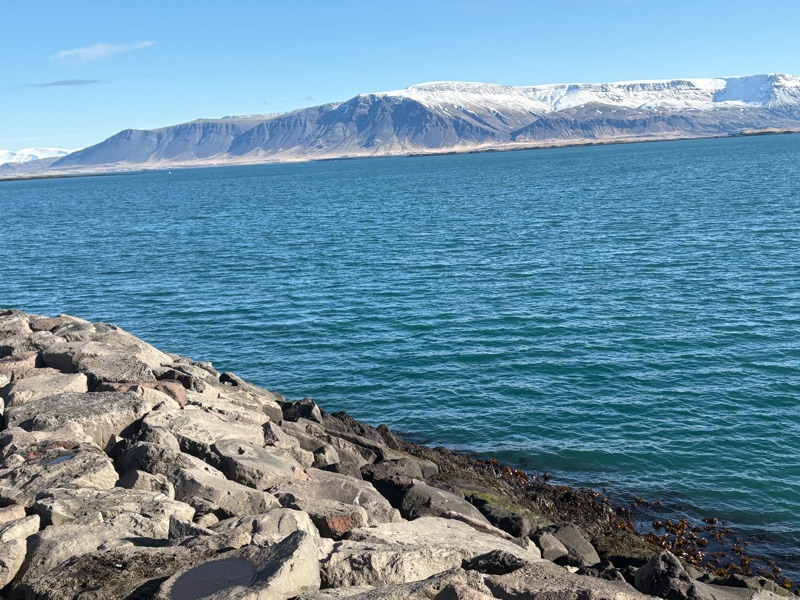
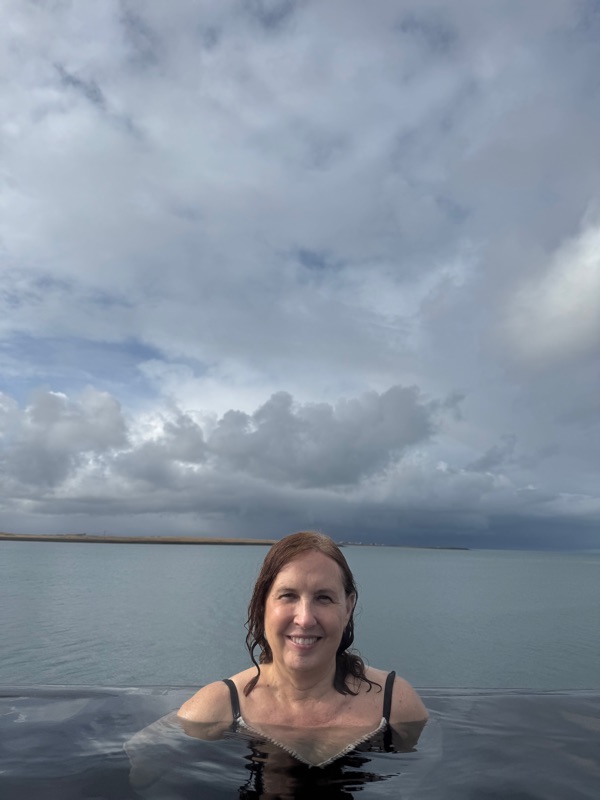
With an open day in my schedule and a definite need for some water therapy, I decided to visit the Sky Lagoon . Located just a short drive from downtown Reykjavík, the lagoon sits beside the ocean and offers sweeping views of the North Atlantic. Its setting is very different from the Blue Lagoon, which is surrounded by an otherworldly landscape of volcanic rock.

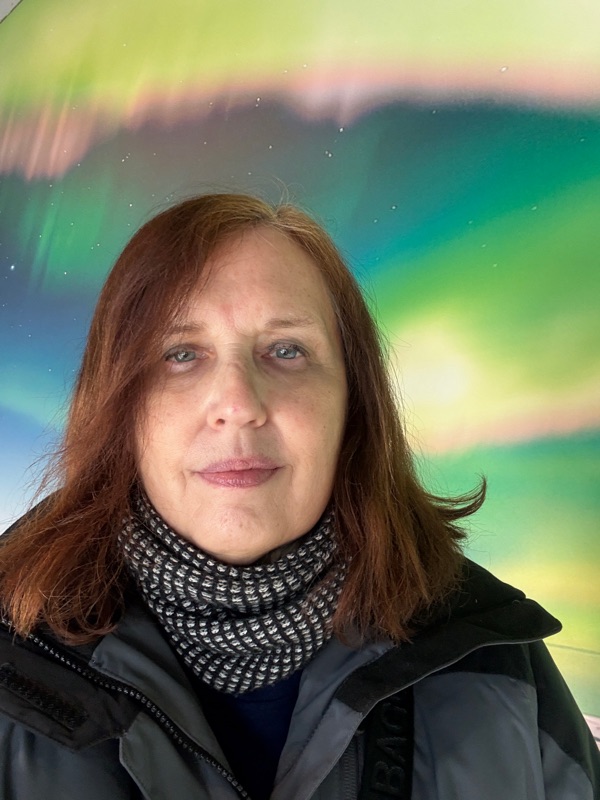
A very sweet young woman from Hong Kong took my photograph after I politely asked her. Apparently, Gen Z does not worry nearly as much as I do about dropping an iPhone into the water!

I had forgotten that my admission included the spa ritual, so I was overjoyed to discover the sauna, steam room, salt scrub, cool mist, and refreshing drink. The spa area, tucked within the lagoon, felt peaceful, calming, and very Zen.

I actually preferred the Sky Lagoon to the Blue Lagoon. It felt less touristy, and my admission included several spa experiences. That is not to say you should skip the Blue Lagoon—its surreal volcanic setting is unlike anything else and is worth experiencing at least once.

TIP: If you have a car, Iceland has many other geothermal pools and natural bathing areas that can be visited for free or for a modest admission fee. Always check local rules and safety conditions before entering a natural hot spring.
.     


THE BLUE LAGOON

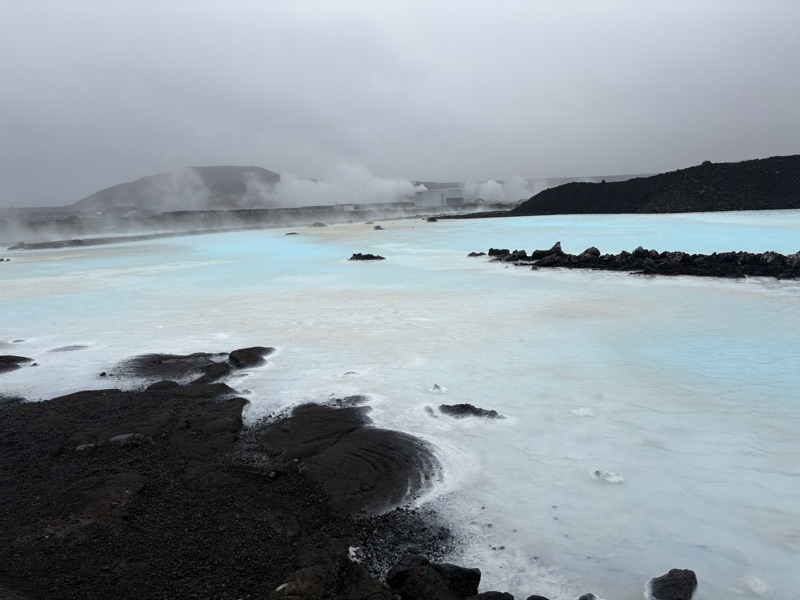
A few days earlier, I visited Iceland’s world-famous Blue Lagoon . It is located on the Reykjanes Peninsula, an area of intense geothermal and volcanic activity. As we approached, steam rose through the dark volcanic landscape, creating an almost apocalyptic scene. Our driver told us that astronauts have trained in Iceland because its rugged terrain resembles the surface of the moon. It certainly made sense to me.

The Blue Lagoon was a unique spa experience, with steam rising above its warm, milky-blue water. It is only a short walk from the indoor facility to the lagoon, which was especially welcome in Iceland’s cold weather. My admission included a silica face mask and a refreshing drink. The changing rooms were well equipped with lockers, showers, towels, and hair dryers.

Be prepared for crowds because the Blue Lagoon is one of Iceland’s most popular attractions. I considered buying some of its skin-care products, but—as with almost everything else in Iceland—the prices were exorbitant. No sale.

There had been considerable speculation about another volcanic eruption as we traveled across the peninsula. About a week after my visit, a fissure eruption sent lava flowing across the region. The Blue Lagoon was evacuated, along with the nearby town of Grindavík. Knowing that I had visited only days earlier made Iceland’s unpredictable volcanic power feel very real.
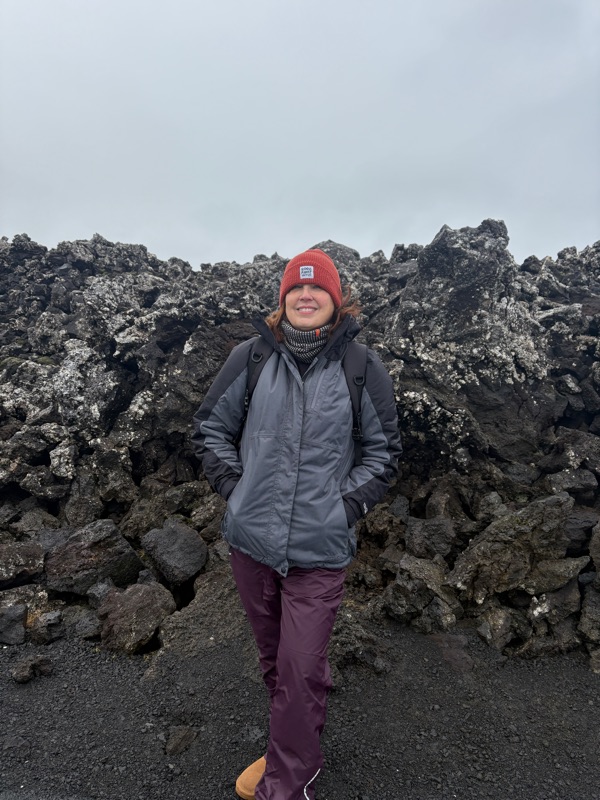
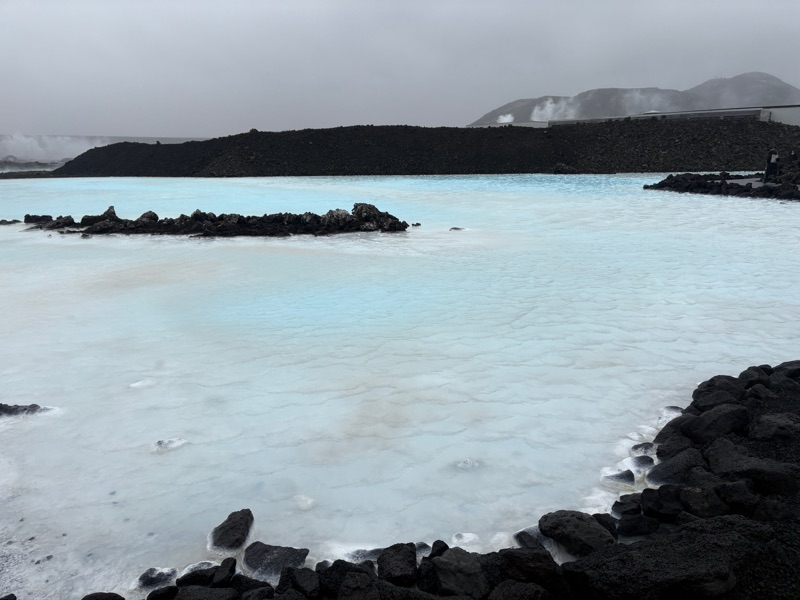
Volcanic Rock


THE LIGHT CHASERS - TAKE 2

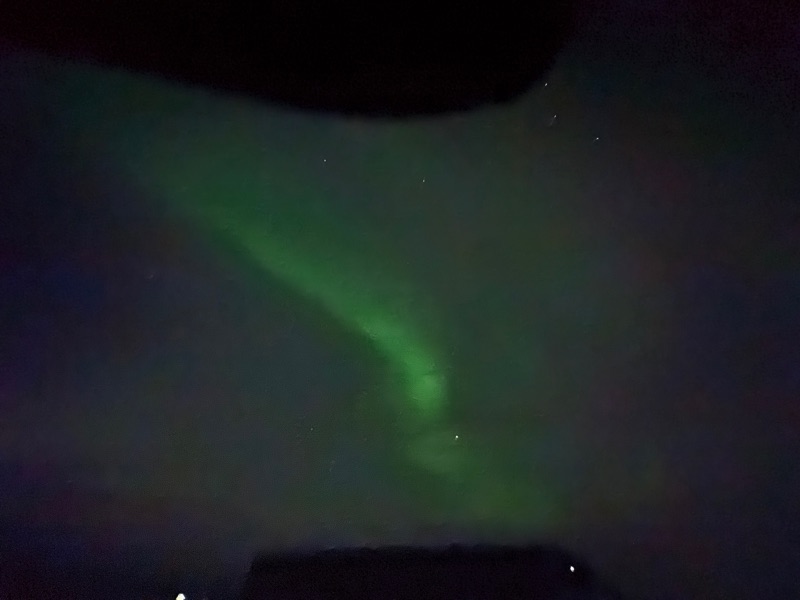
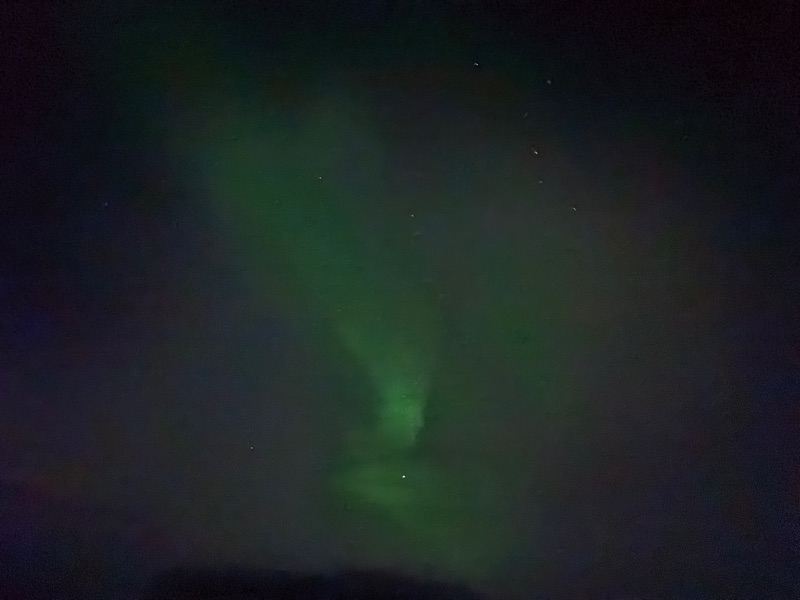
The tour company offers a second chance, free of charge, to see the Northern Lights if the first attempt was unsuccessful. I’d say that’s rare customer service! 

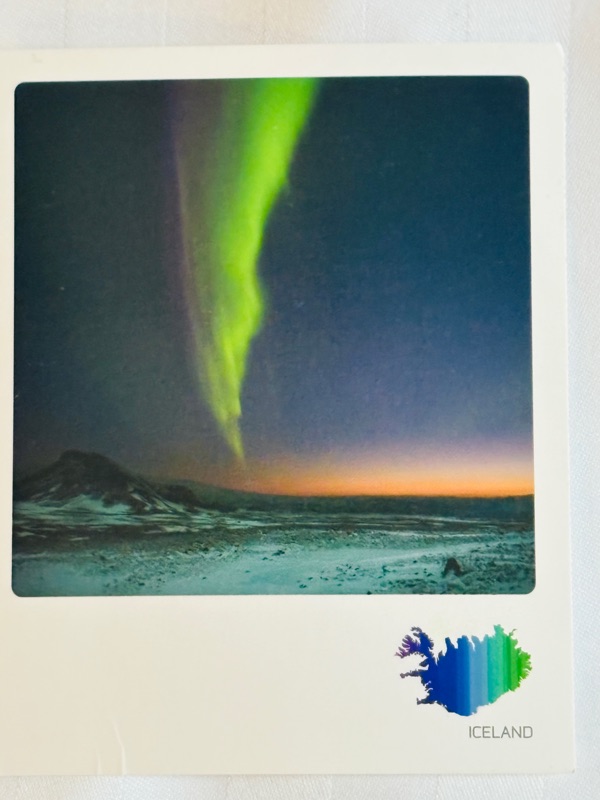
We traveled to two different locations and did not return to Reykjavík until 1:00 a.m. Our patience finally paid off: the lights were faint and sparse, but at least we saw something. After two nights of searching, even a subtle appearance felt like a victory.

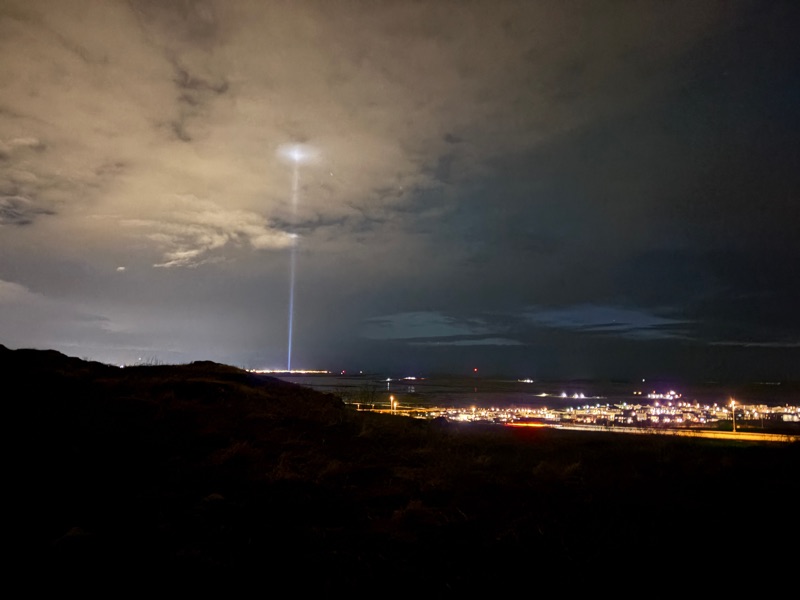
In the distance, we could also see the beam from the Imagine Peace Tower, Yoko Ono’s tribute to John Lennon and their shared message of world peace.

It was a fitting way to end my visit to this beautiful, peaceful country—especially during such turbulent times.
SAYING GOODBYE TO ICELAND

My final day in Iceland was the perfect conclusion to a memorable solo journey. 

After relaxing in warm geothermal waters and finally catching a faint glimpse of the Northern Lights, I left feeling peaceful, refreshed, and grateful. 

Iceland challenged me with unpredictable weather, transportation mishaps, and a few disappointments, but its waterfalls, glaciers, volcanic landscapes, and welcoming people made every inconvenience worthwhile. 

I may not have seen everything I hoped to see, but Iceland certainly gave me plenty of reasons to return.

Adios.. until next time.   


Flying home over Greenland...
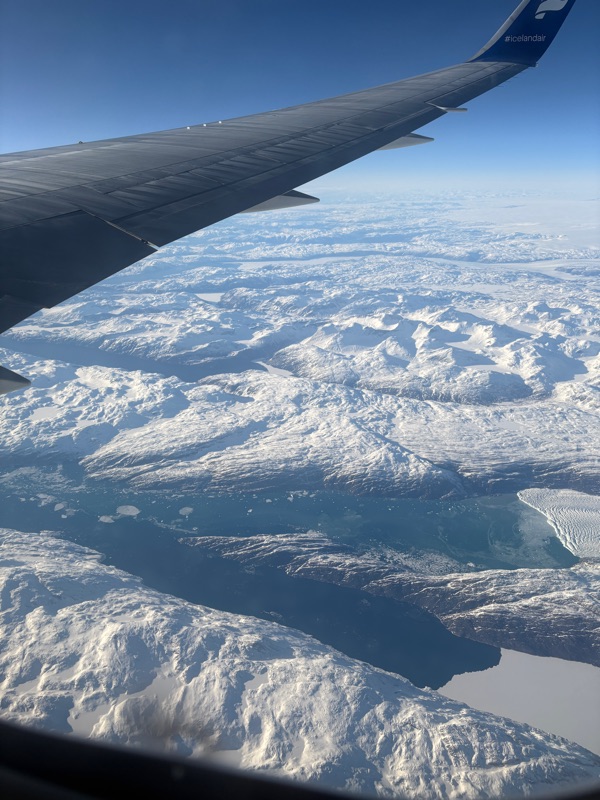
No sign of JD😭


3/26/25

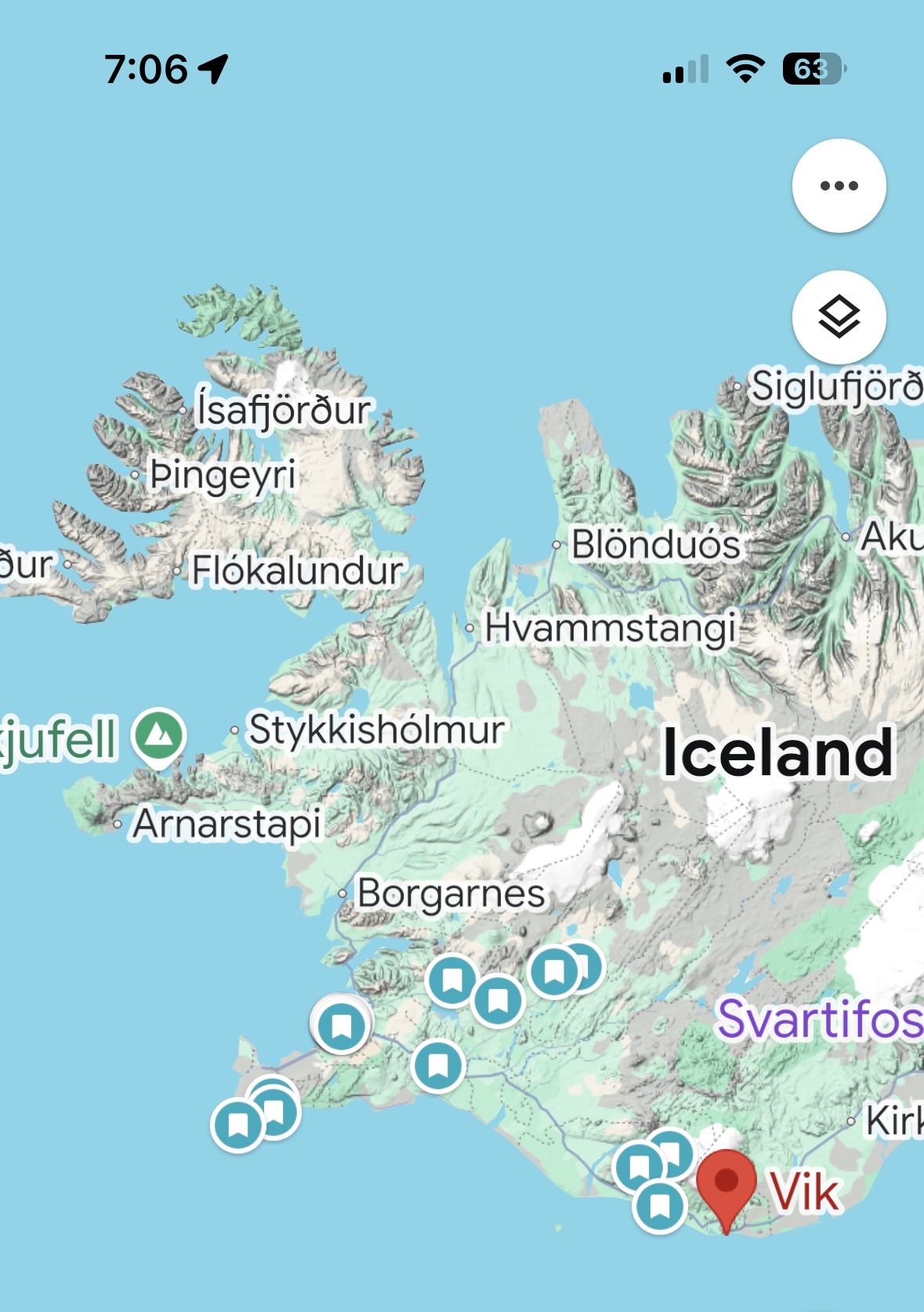
Iceland's South Coast: Waterfalls, Glaciers, and Black-Sand Beaches


A Rocky Start to the South Coast

The nemesis of this trip has been the bus company. I dutifully go to the designated bus stop as instructed, but the drivers inevitably go to my hotel looking for me. Clearly, there has been a communication breakdown.

Today, the tour bus left for Iceland’s South Shore without me. I won’t repeat what I said on the phone, but my New Yorker instincts immediately kicked in. Fortunately, the company sent a Sprinter van to pick me up 10 minutes later and make the 45-minute drive to catch up with the group.

While waiting for my arrival, everyone stopped at a bakery for doughnuts. 🙂 I was worried that the group might resent the delay, but thankfully it did not create a major problem.

Tommy, my Sprinter driver, was friendly, reassuring, and armed with a few good jokes. He promised not to abandon me at a gas station—and, most importantly, not to drive 100 miles an hour. In the end, we caught up with the group, and my South Coast adventure could finally begin

A Wet and Windy Journey to Vik

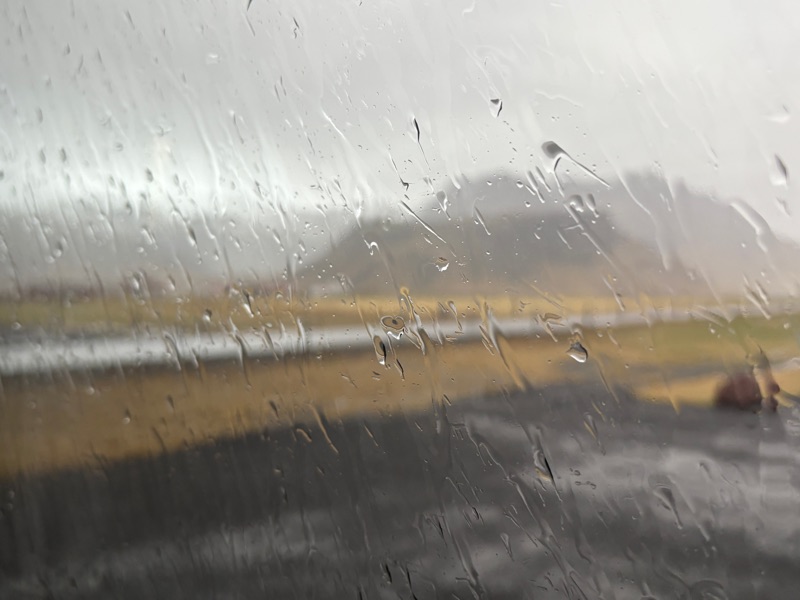
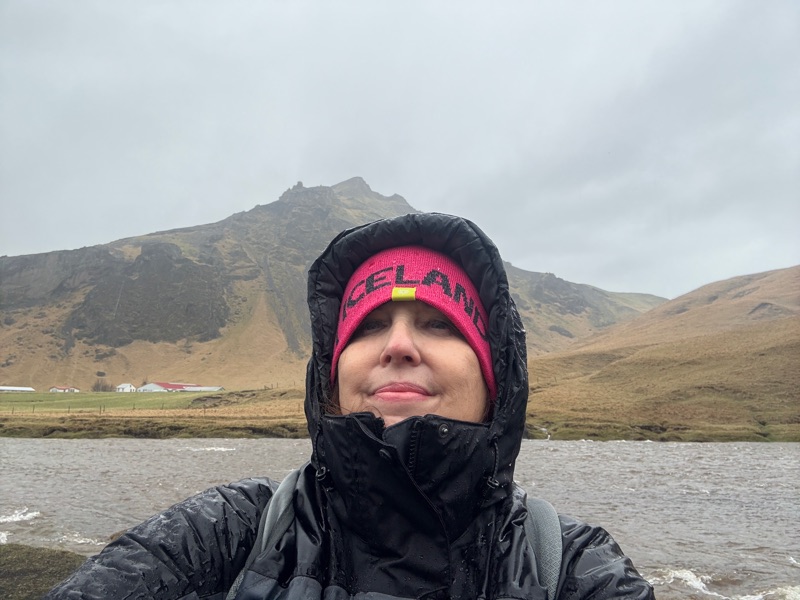
“Wet” is the best word to describe today. One thing to understand about Iceland is that its weather is extremely unpredictable. Situated in the North Atlantic Ocean, the island is exposed to rapidly changing conditions—and visitors may experience rain, wind, sunshine, and cold temperatures all in the same day.

Today was particularly wet and windy. I quickly noticed that travelers in Iceland tend to be a hearty bunch: rough, tough, and prepared to roll with the punches. Bad weather rarely seems to stop anyone from exploring.

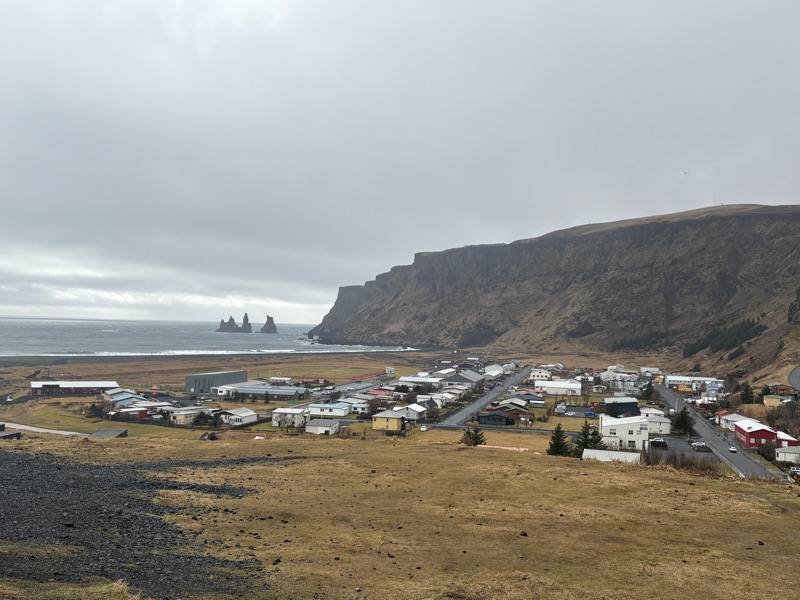
Despite the conditions, we made it to the beautiful village of Vík, located beside the ocean on Iceland’s South Coast. The village is surrounded by dramatic cliffs, mountains, and black-sand beaches, making it especially picturesque even beneath gray skies.

If you do not have the time or inclination to drive Iceland’s entire Ring Road, day tours from Reykjavík are an excellent alternative. The Golden Circle follows a popular loop, while South Coast tours travel out and back along many of the region’s most notable attractions. 

TIP: Most tours  operated by bus companies will probably deliver you, as a captive tourist, to an assortment of gift shops during the rest stops. Consider yourself warned.

.        

Vik and Reynisfjara Black-Sand Beach

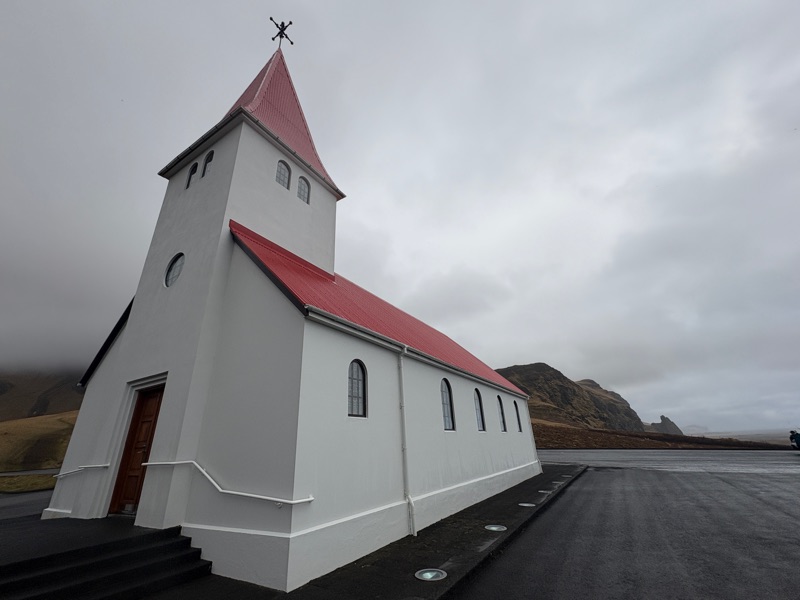
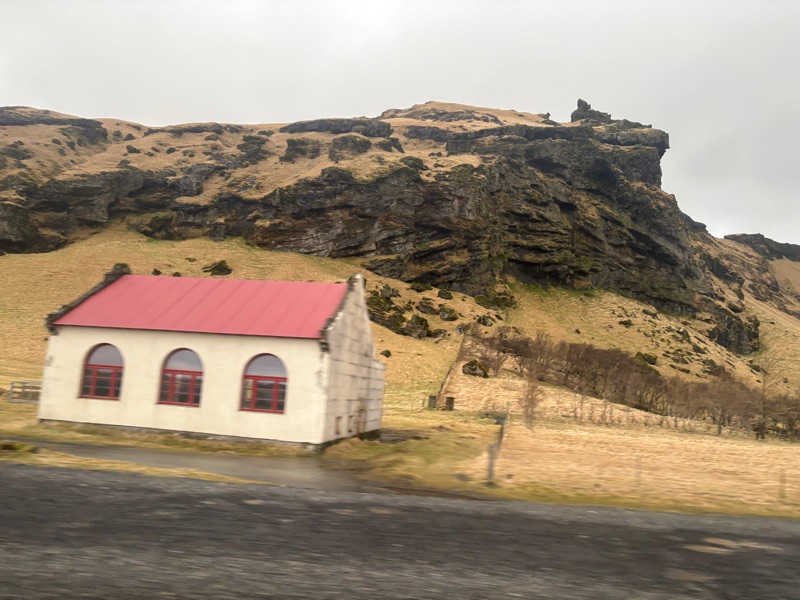
Vík is a small, picturesque village on Iceland’s South Coast, surrounded by mountains, green cliffs, and the dark waters of the North Atlantic. Its most recognizable landmark is the white Víkurkirkja church with its bright red roof, perched on a hill overlooking the village. 

Although Vík has only a small population, it is an important stopping point for travelers, with restaurants, shops, hotels, and convenient access to nearby black-sand beaches.

church in Vik

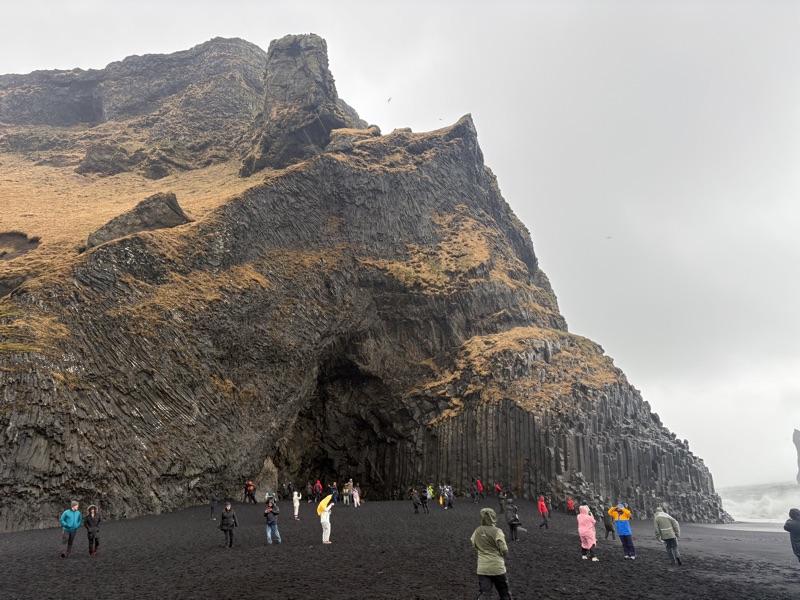
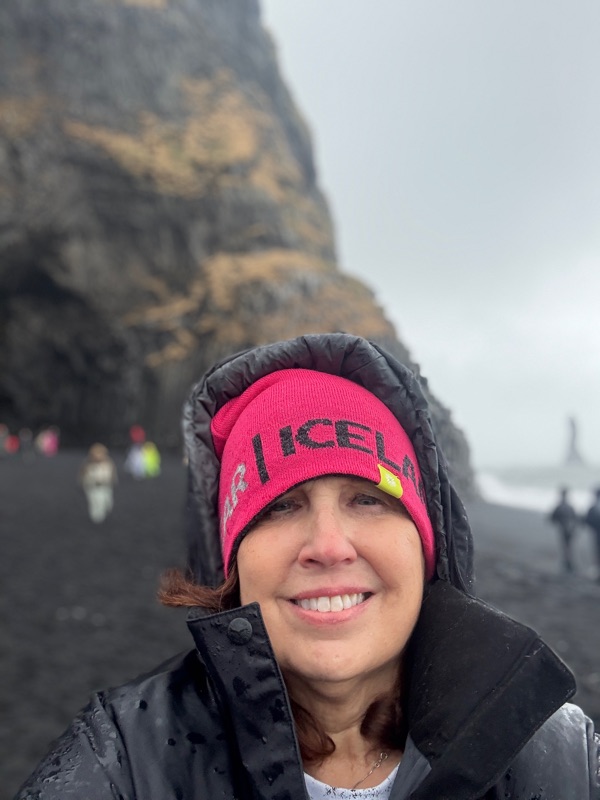
Near the village of Vík lies Reynisfjara, Iceland’s famous black-sand beach. Formed from volcanic rock, the dark shoreline is framed by towering basalt columns, sea caves, and the dramatic Reynisdrangar rock formations rising from the Atlantic Ocean. 

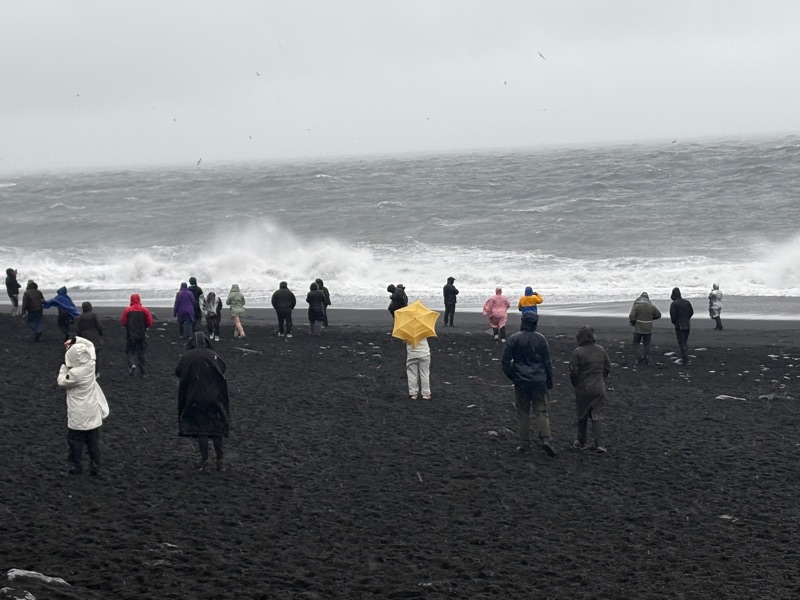
TIP: The scenery is powerful and otherworldly, but the water can be extremely dangerous. Sudden “sneaker waves” can rush much farther onto the beach than expected, so visitors must remain well back from the ocean and never turn their backs on the waves.

Reynisfjara Black sand beach

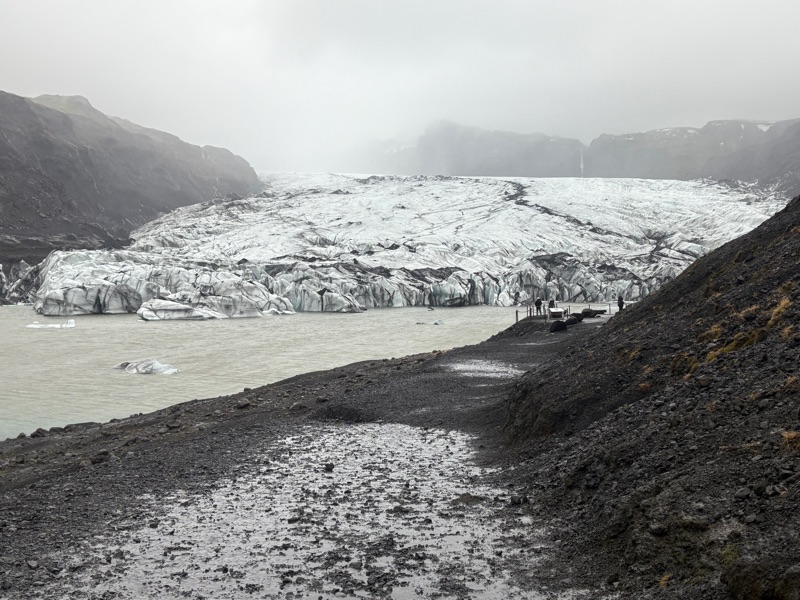
Solheimajokull Glacier

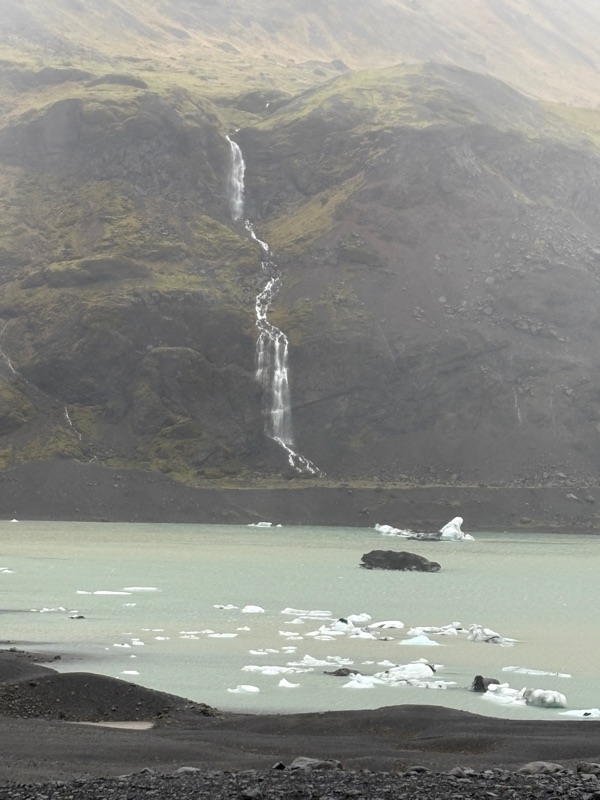
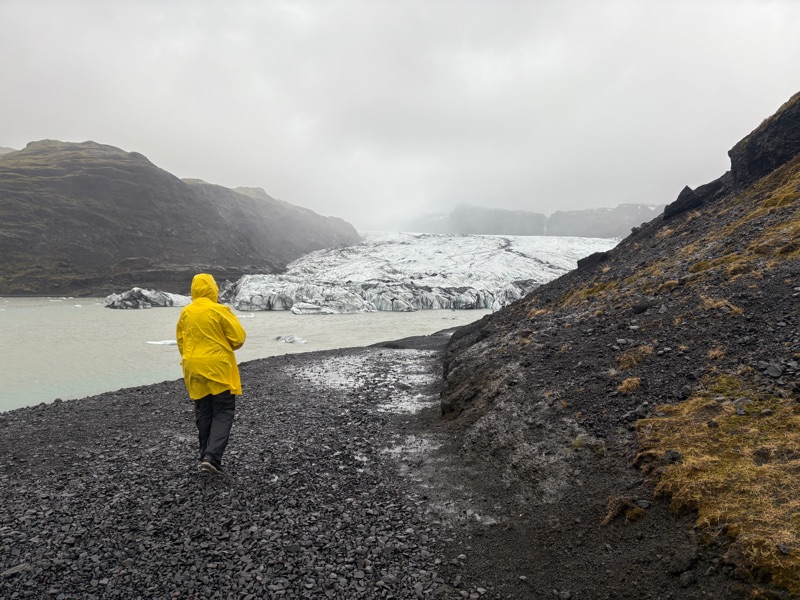
Sólheimajökull is an impressive glacier marked by deep crevasses, jagged ridges, and streaks of black volcanic ash. The glacier has been retreating in recent decades, leaving behind a growing lagoon and providing visible evidence of Iceland’s changing climate. Such an abysmal situation.😭

TIP: Visitors can view it from nearby trails, while guided glacier walks require helmets, harnesses, crampons, and experienced supervision.


Mary Beth with her new, beautiful yellow raincoat.

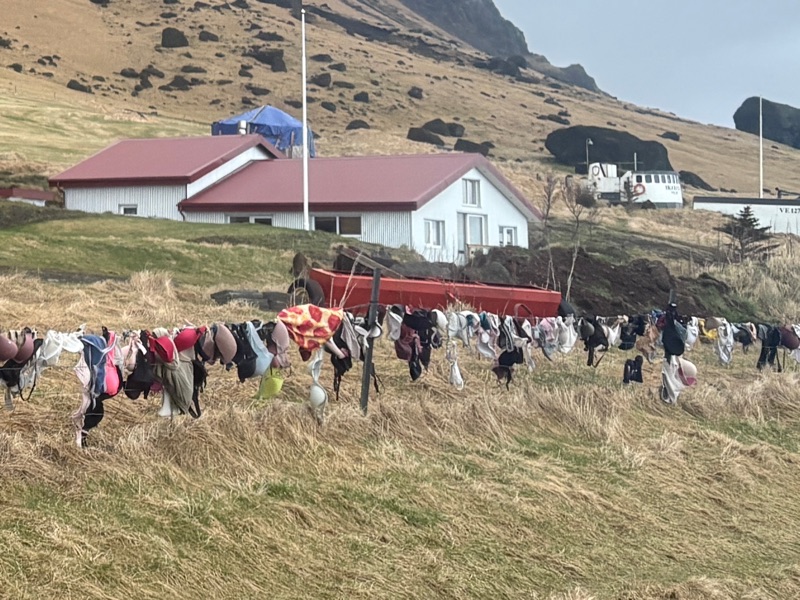
Bra Fence

Since 2012, travelers have been leaving bras on this fence along the road near Skogafoss waterfalls. 

The “Bra Fence” reportedly began as a joke, although no one seems certain of its true origin. Travelers continued adding bras over the years, transforming an ordinary farm fence into a quirky roadside attraction. 

Seljalandsfoss Waterfall

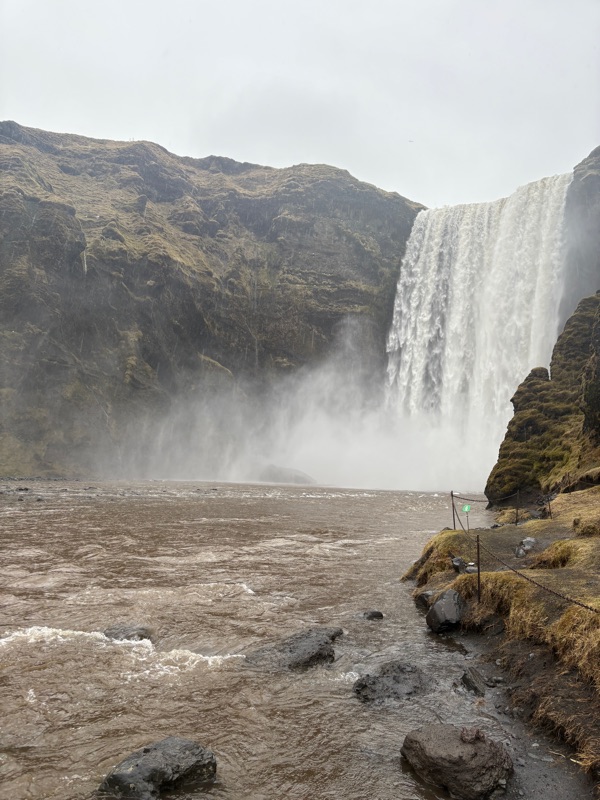
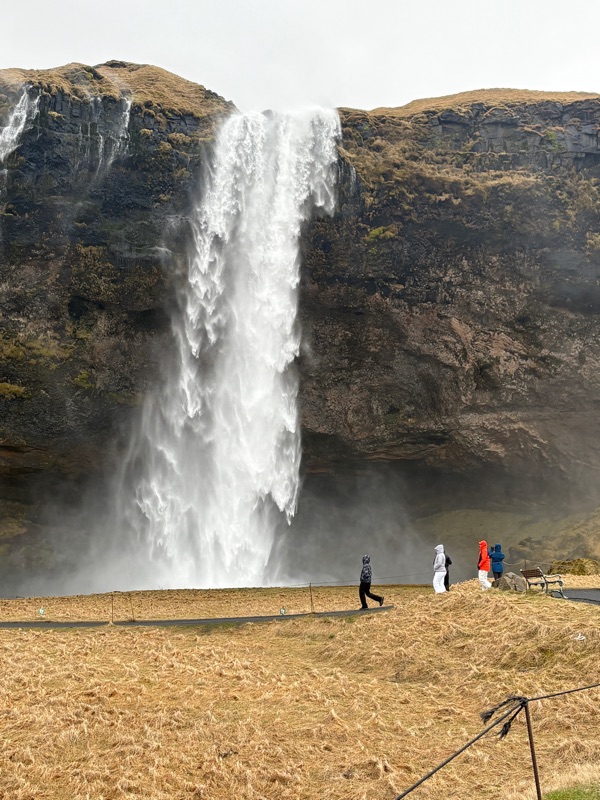
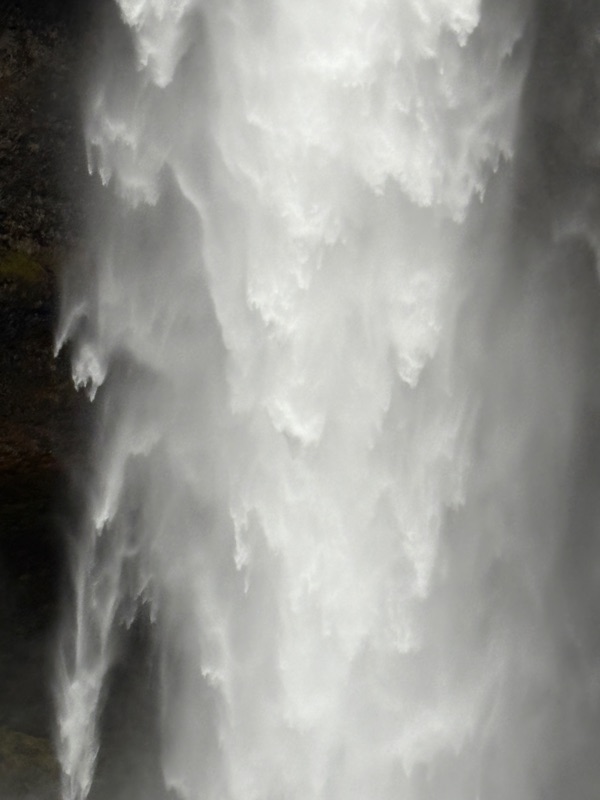
Seljalandsfoss, is one of Iceland’s most beautiful and recognizable waterfalls. Water cascades nearly 200 feet from a former sea cliff, creating a slender curtain of mist. A pathway allows visitors to walk behind the waterfall for a dramatic view through the falling water, although the trail can be extremely wet and slippery. 

TIP: Waterproof clothing and sturdy shoes are essential—but getting soaked is part of the experience.


My Take on Iceland's South Coast

Despite the rocky beginning with the bus company—and a day filled with wind and rain—Iceland’s South Coast was absolutely worth the journey. 

From the peaceful village of Vík and the powerful waves at Reynisfjara to Sólheimajökull Glacier and the magnificent Seljalandsfoss waterfall, the landscape was dramatic at every turn, and the bra fence just confirmed the quirkiness of Icelanders.

Iceland’s unpredictable weather is simply part of the experience, so dress properly, keep a sense of humor, and enjoy the adventure.


Continue reading about the rest of my Iceland adventure:

    Solo Trip to Iceland: Planning and Exploring Reykjavik

    Iceland’s Golden Circle and Northern Lights: What to Expect

    Reykjavík, Sky Lagoon and Blue Lagoon: My Final Days in Iceland 

3/25/25

Iceland’s Golden Circle and Northern Lights: What to Expect

The Golden Circle Route from Reykjavik: What to Expect on a Golden Circle Tour

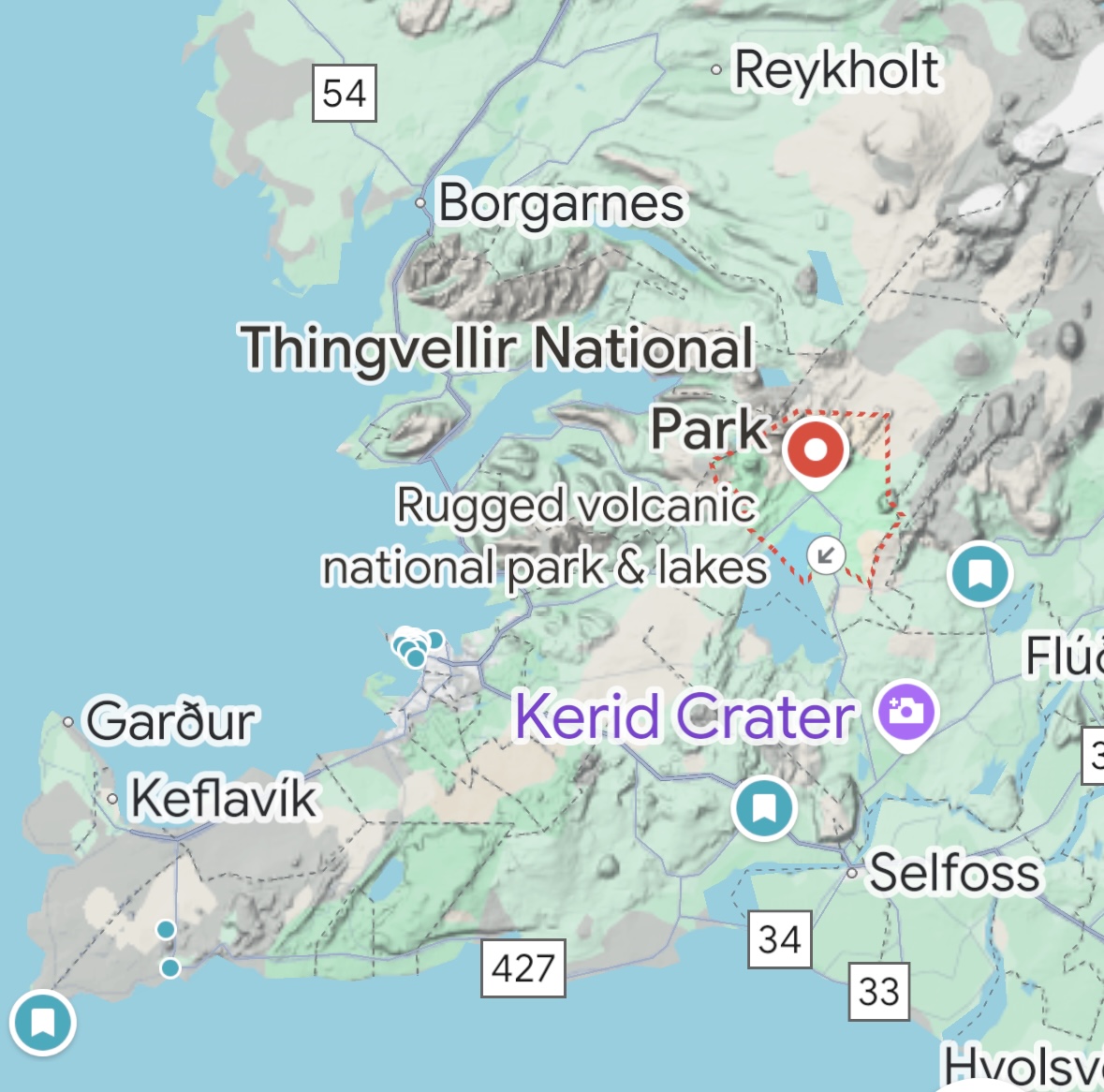
Today was day trip with three principal attractions: Thingvellir National Park, the Geysir geothermal area, and Gullfoss waterfall.  We ventured out of Reykjavik to experience the loop known as the Golden Circle

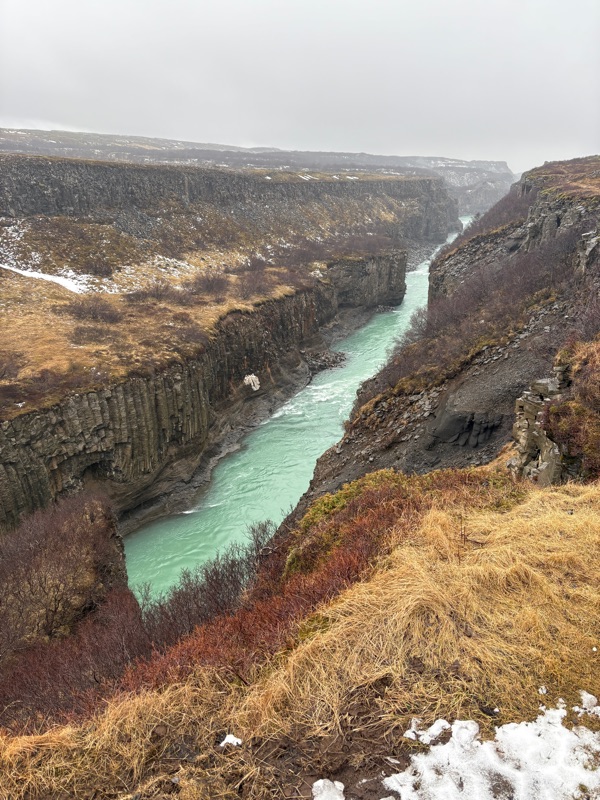
On the route, I discovered that most of central Iceland is barren with beautiful geologic features. 

Our guide told us that Iceland is the newest of the world’s land masses situated on tectonic plates, which explains the volcanic activity. Lava cools into rock, and moss gradually colonizes its surface, helping soil develop over a very long period. There is not much greenery on this terrain.


Icelandic Horses and its Geothermal Greenhouses

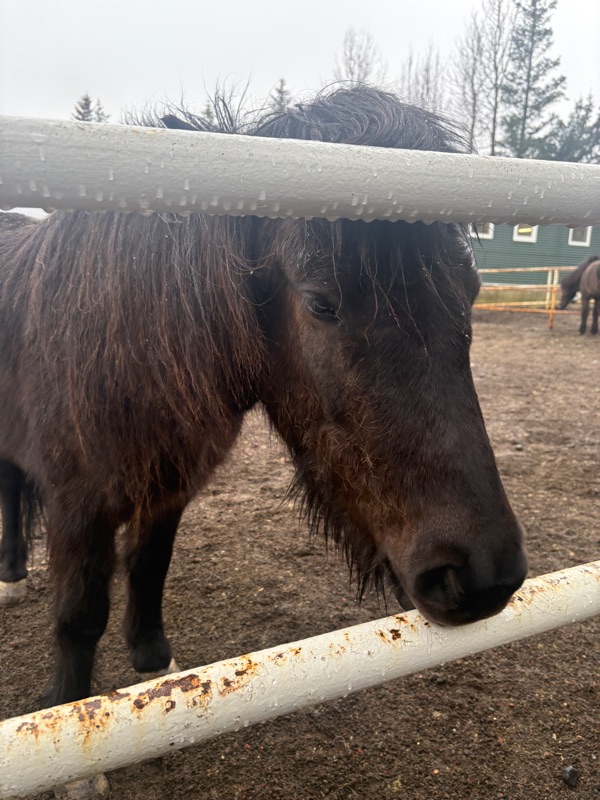
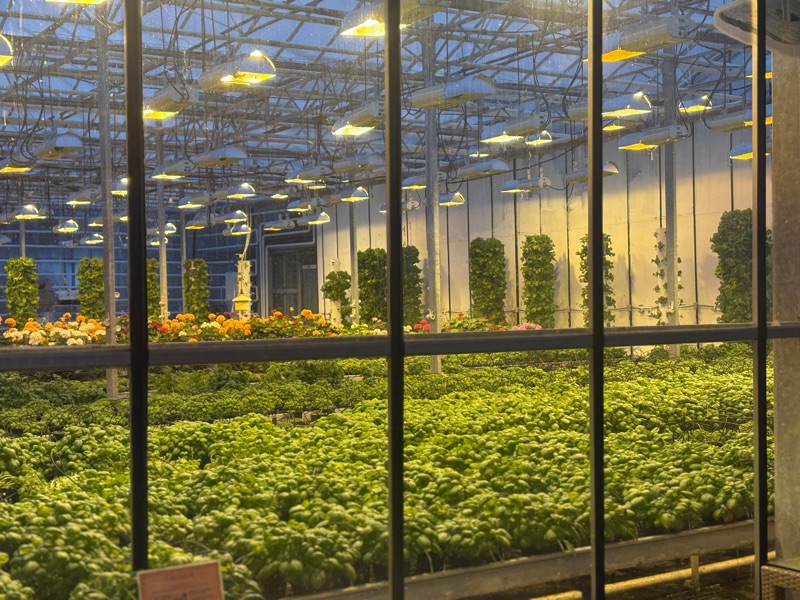
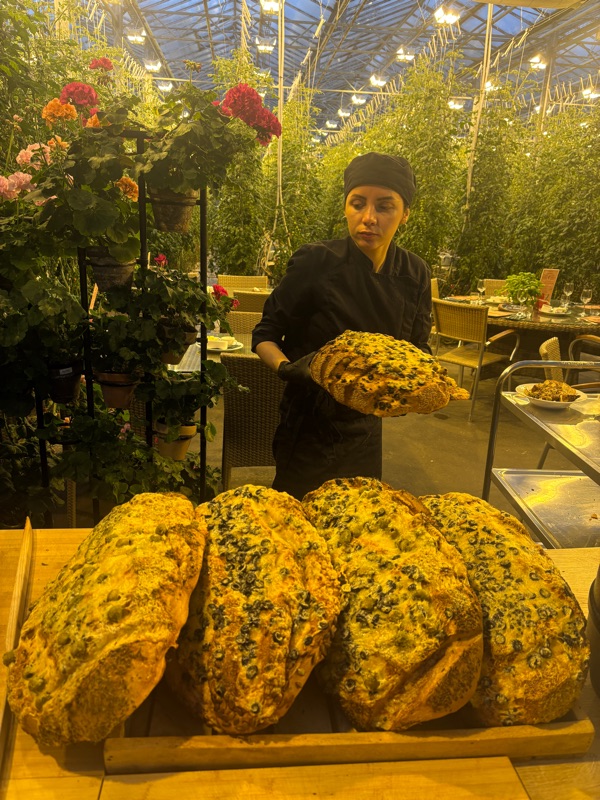
An unexpected stop along the Golden Circle was a greenhouse where tomatoes are grown throughout the year. Iceland uses its abundant geothermal energy to heat greenhouses, while artificial lighting provides the additional light needed during the dark winter months. This use of natural resources allows Icelanders to grow fresh produce despite the cold climate and short growing season. The horses were an additional bonus.


Strokkur Geyser at the Geyser Geothermal Area 

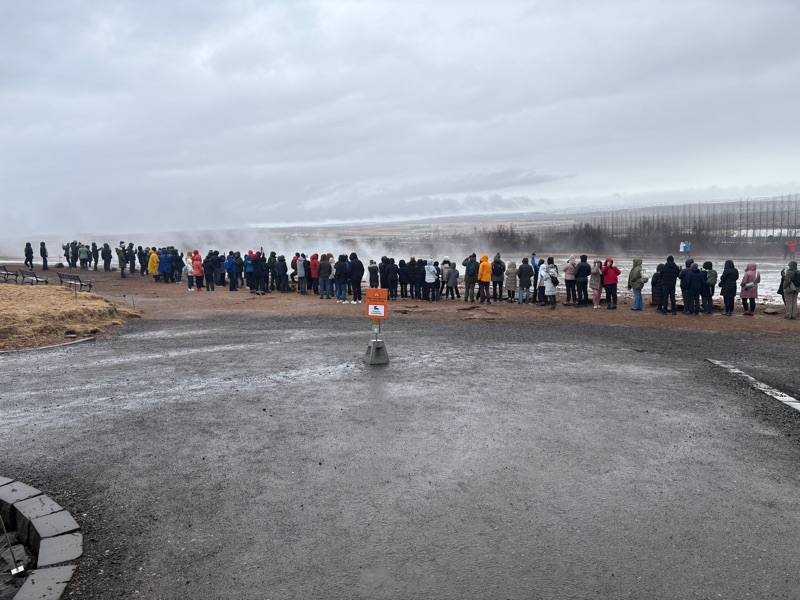
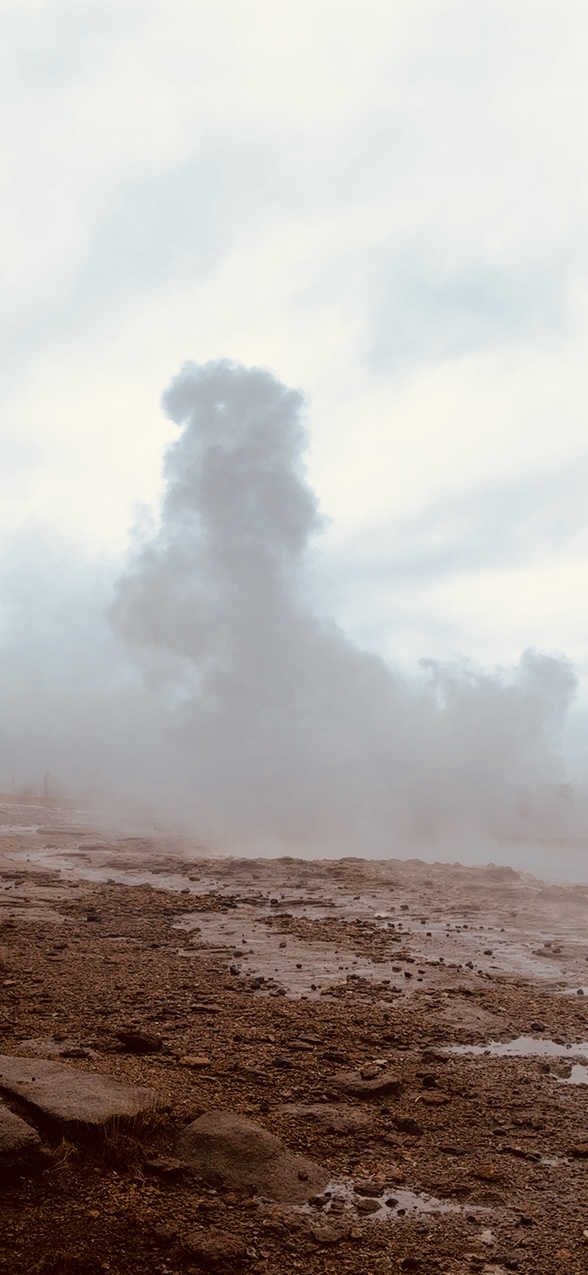
Next stop was the Geysir Geothermal Area, filled with bubbling mud pools, steaming vents, and geysers created by Iceland’s intense geothermal activity. Strokkur Geyser sends a powerful column of hot water into the air every few minutes. 

TIP: Have your camera ready because you never know exactly when the next eruption will occur.

                 Strokkur geyser erupting on Iceland’s Golden Circle


Gullfoss Waterfalls

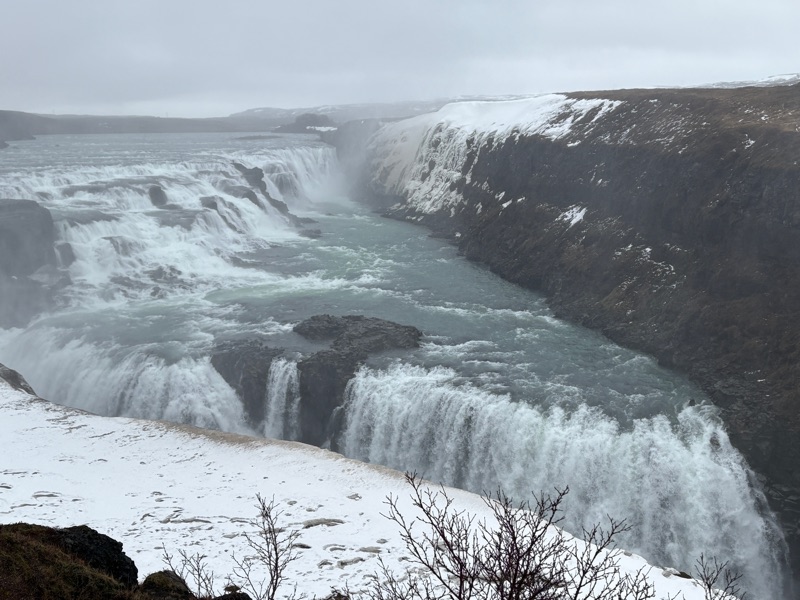
Following the Geyser, we went to Gullfoss, one of the most spectacular waterfalls in Iceland.  Several viewing areas offer different perspectives. The ground can be very slippery.

 The combination of rushing water, rugged cliffs, and the vast landscape makes Gullfoss an unforgettable stop on the Golden Circle.

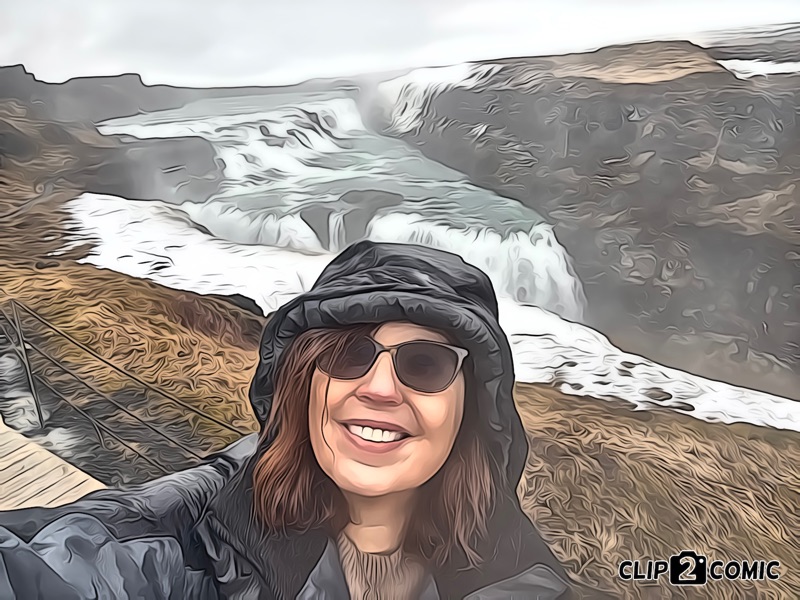
Amazing Gulfoss Falls.             Gullfoss Waterfall in Iceland during March


Thingvellir National Park 

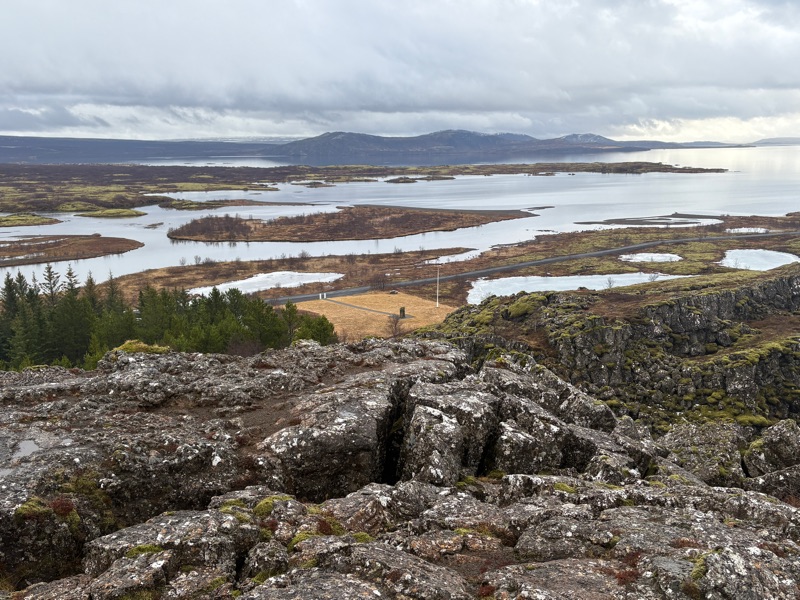
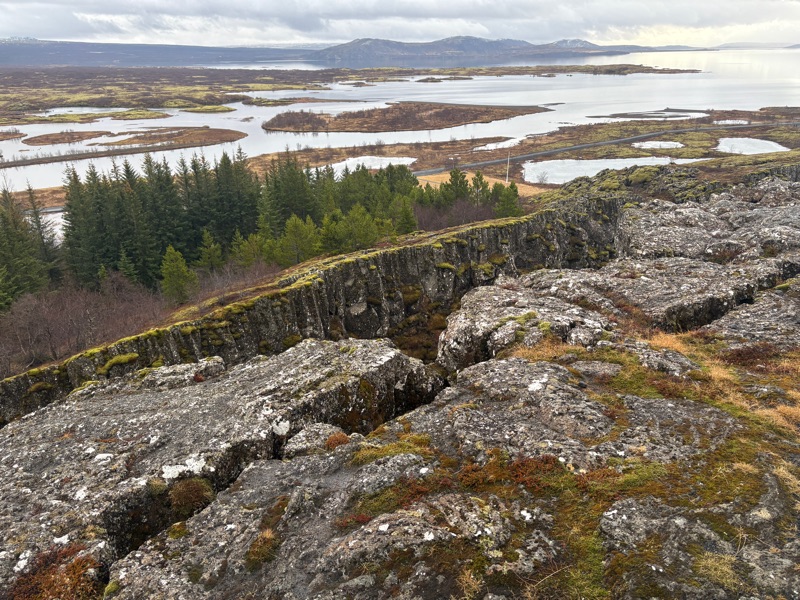
Thingvellir National Park is a geological wonder. The park lies along the Mid-Atlantic Ridge, where the North American and Eurasian tectonic plates are gradually moving apart, creating dramatic cliffs and fissures. 

Walking through this remarkable landscape gives you a sense of Iceland’s power and beauty.

       .   Tectonic landscape 


Chasing the Northern Lights

Icelanders respect nature’s powerful forces —volcanoes, glaciers, geysers, earthquakes, but the Northern Lights hold a special place in their hearts.

      Hello Aurora

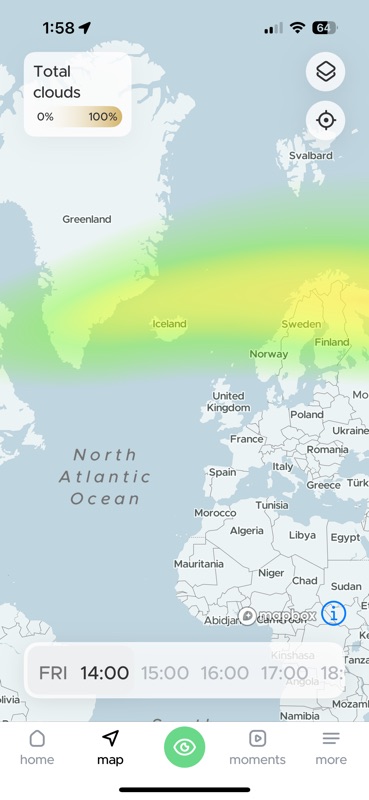
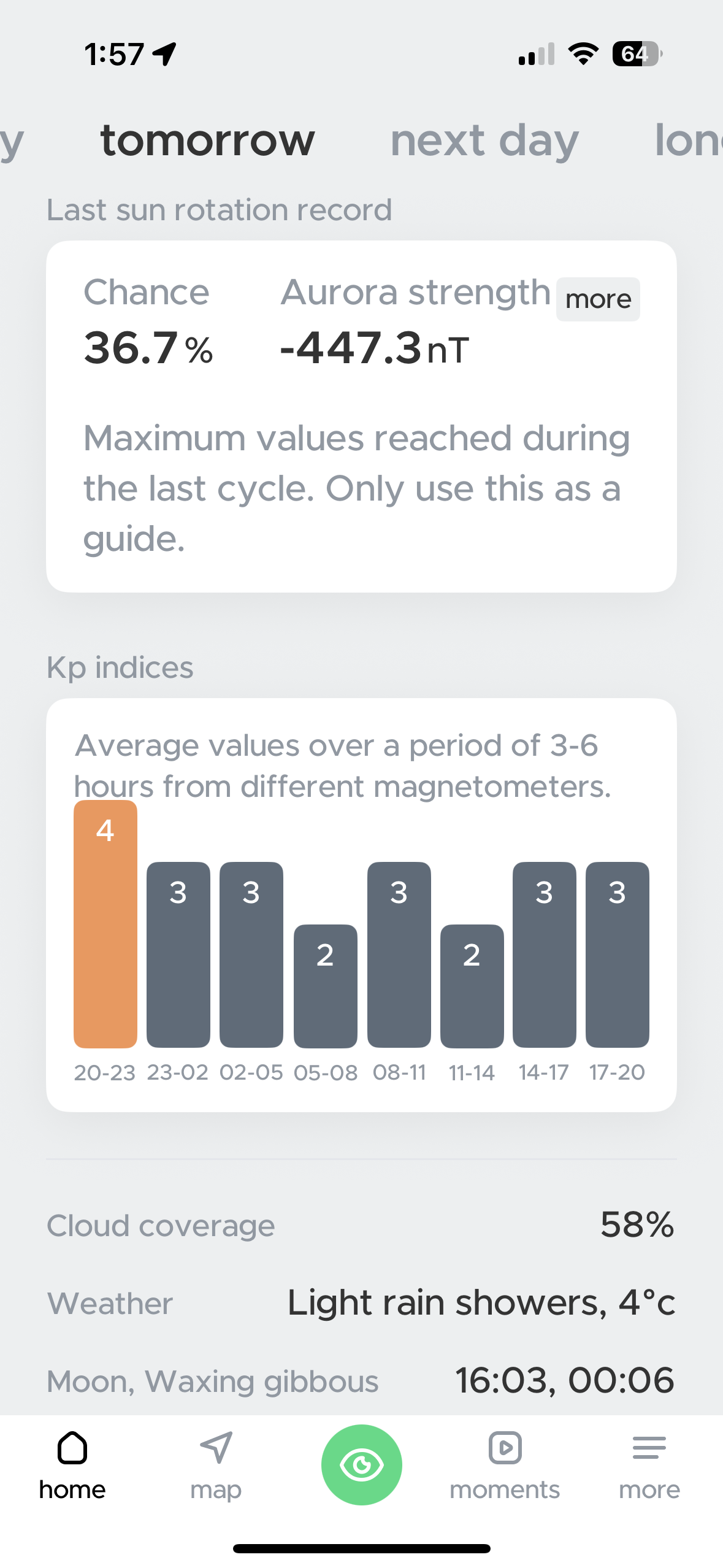
Seeing the Northern Lights requires a combination of darkness, clear skies, solar activity, and plenty of luck. Our guide drove us about 45 minutes outside Reykjavik to escape the city lights, but the clouds refused to cooperate. We waited in the darkness for about an hour, watching an aurora app that placed our chances at only 28 percent. 

We never saw the lights, but standing on a remote Icelandic lava field beneath the night sky was still a memorable experience for a girl from Brooklyn.


Was the Tour Worthwhile?

Even without seeing the Northern Lights, the tour was absolutely worthwhile. 

The Golden Circle’s geysers, waterfalls, and dramatic landscapes provided an unforgettable introduction to Iceland’s natural beauty. The elusive aurora simply gave me a good reason to return someday and try again.


Continue reading about the rest of my Iceland adventure:

    Solo Trip to Iceland: Planning and Exploring Reykjavik

    Iceland’s South Coast: waterfalls, glaciers, and black-sand beache

    Reykjavík, Sky Lagoon and Blue Lagoon: My Final Days in Iceland 


3/17/25

Solo Trip to Iceland: Planning and Exploring Reykjavik

Planning My Solo Trip to Iceland
This week, I’m excited to escape the barrage of doom and gloom for the serenity of the Iceland landscape and hopefully 🙏🏼 to a better state of mind.

This trip is not a traditional “tour” but I have arranged for day trips and excursions. Mostly everything has been set up in advance. I am going solo and expect to meet some new travel friends along my path.

I don’t expect any volcanic activity, although there were some geothermal rumblings discovered on my Google search. People say that the sight of flowing lava is uplifting, but I prefer to be a safe distance away. I trust that Icelanders keep a watchful eye on this stuff.

Flying from New York to Reykjavik

The flight on Icelandair is direct and only 5 - 6 hours from JFK to Reykjavik. I arrive at 6 am Iceland time. I will meet the shuttle at the airport and get dropped off at the hotel ~45 minutes later. Easy breezy.

Did I mention I’m wearing my hiking boots on the plane?

My motivation for going to Iceland this month is the limited window for viewing the Northern Lights due to increasing daylight. While there are no guarantees, I think the odds are in my favor. Fingers crossed. 🤞🏻

I want to get some nice photos, so checked out YouTube for instructions on shooting the night sky. Using a tripod is the way to go, did a click on Amazon, and a tripod is arriving today for $20.

Cheap Tripod Purchased on Amazon
Todi 63inch Selfie Stick Tripod
Amazon Associate #commission earned

It remains to be seen whether the transformer explosion at Heathrow yesterday will impact my travels. As of this morning, the flight is on time. I’ve heard that some flights were diverted to Reykjavik yesterday so I'm expecting that airport to be in a state of chaos when I arrive but I’ll hope for the best.

Yet, there was another surprise today with the JFK Airtrain. It was out of service so a shuttle bus drove us to a station where it was working. Nothing was explained so I just followed everyone else. It would have been nice to get a heads-up about the construction and connections. At least the LIRR worked.

Need I mention the very long lines at Icelandair check-in? People, please don’t chat with the TSA agents. Just take off your shoes and be done with it! 


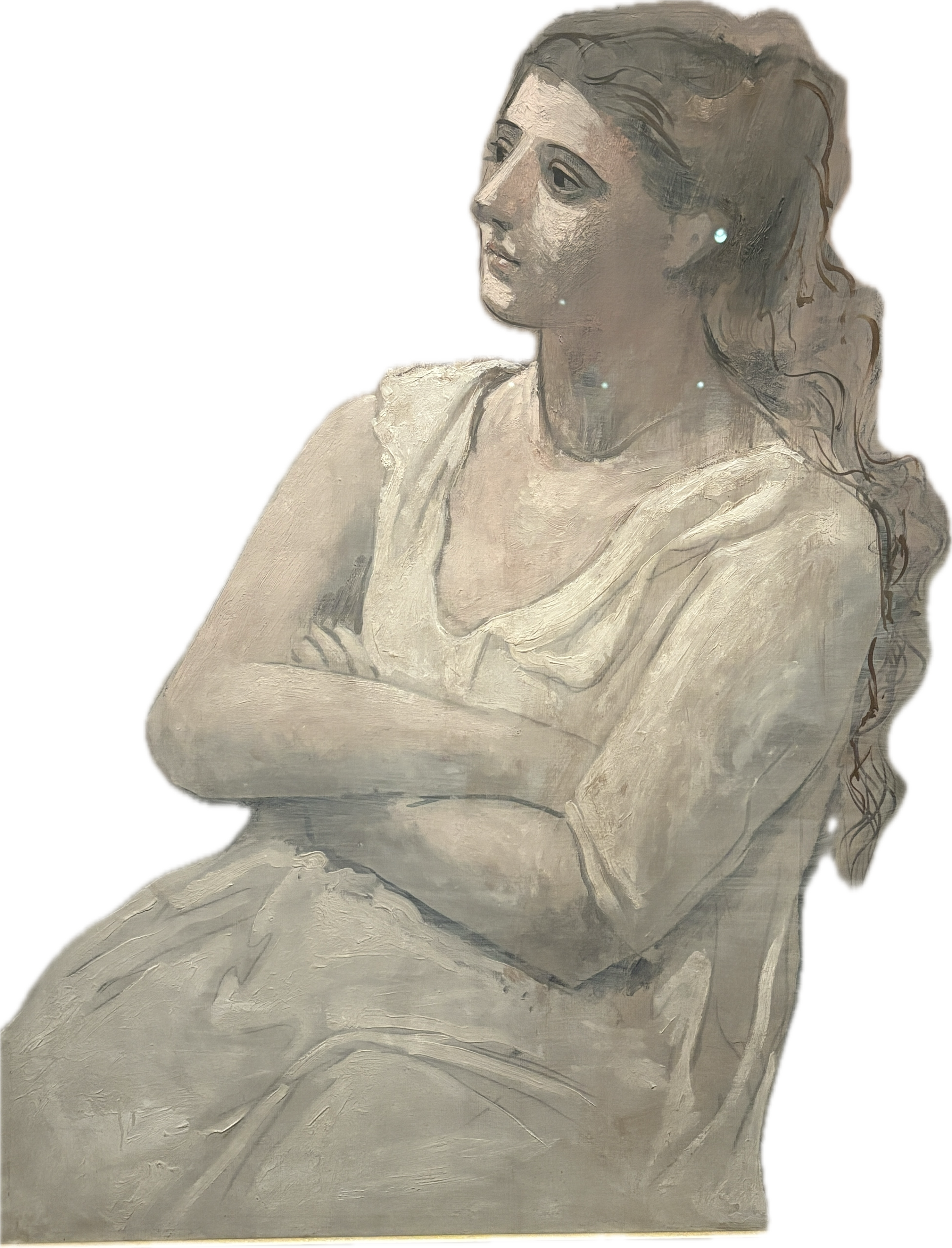
Pablo Picasso PaintingPatience is a Virtue


Getting from Keflavík Airport to Reykjavik

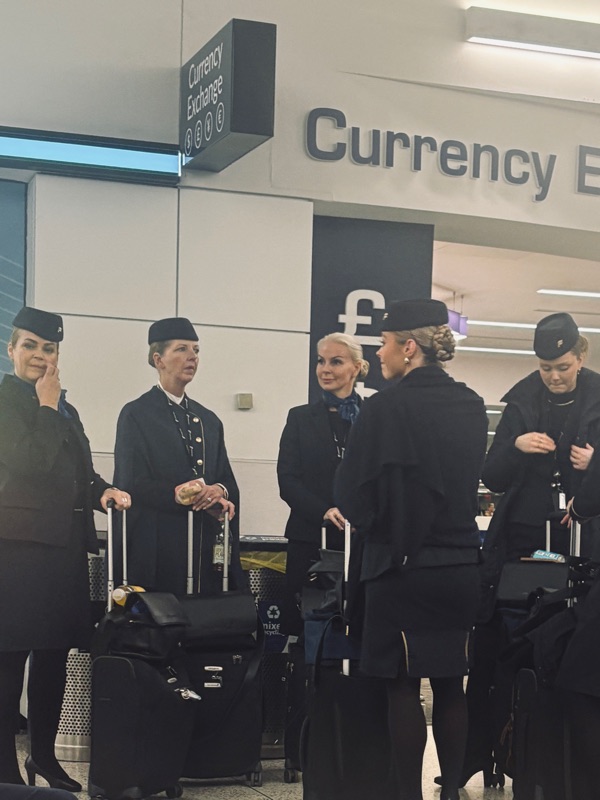
It seemed like forever getting from the airport to the hotel. Once I found the correct bus after several failed attempts (jet lag?), you have to transfer to a van specific to your hotel’s location at the bus terminal. It is organized by color codes and you are dropped off at a designated bus stop within a 2- minute walk to your hotel. The strategy makes sense so that the streets don’t get clogged with tourist buses, but just adds another layer of complexity. It’s a lot to deal with, with no sleep.

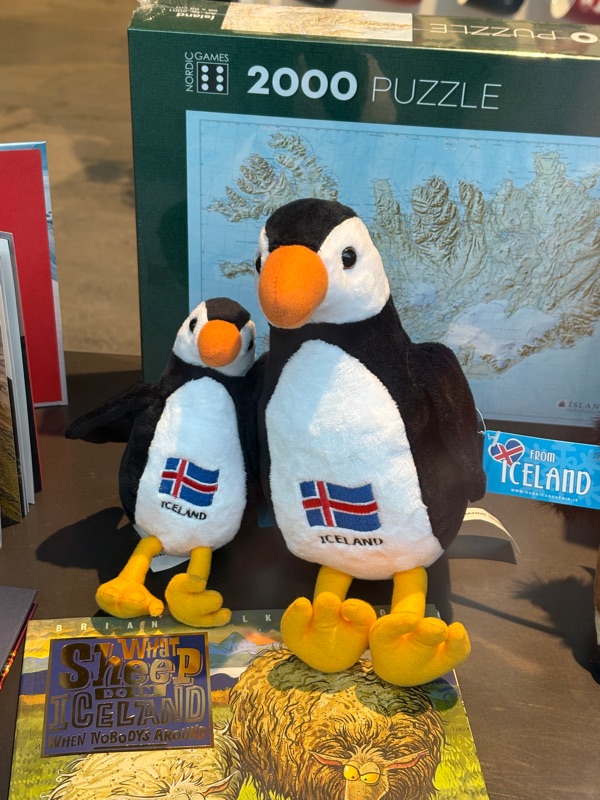
Puffins are a big draw in Iceland. Breeding season is April through August. In March, the only Puffins to be seen are the thousands of stuffed toys, mugs, and magnets in souvenir shops on Laugavegur Street or at the Perlan Museum. Hey, Icelanders need to make a living too.

Puffins Cental Park ZooLive Puffins (courtesy of Central Park Zoo, NYC😁)


My First Impressions of Reykjavik

The first impression is that Reykjavik is pristine and safe. Reykjavik’s cold tap water comes from naturally filtered groundwater. The hot water has a sulfur smell from the geothermal activity.

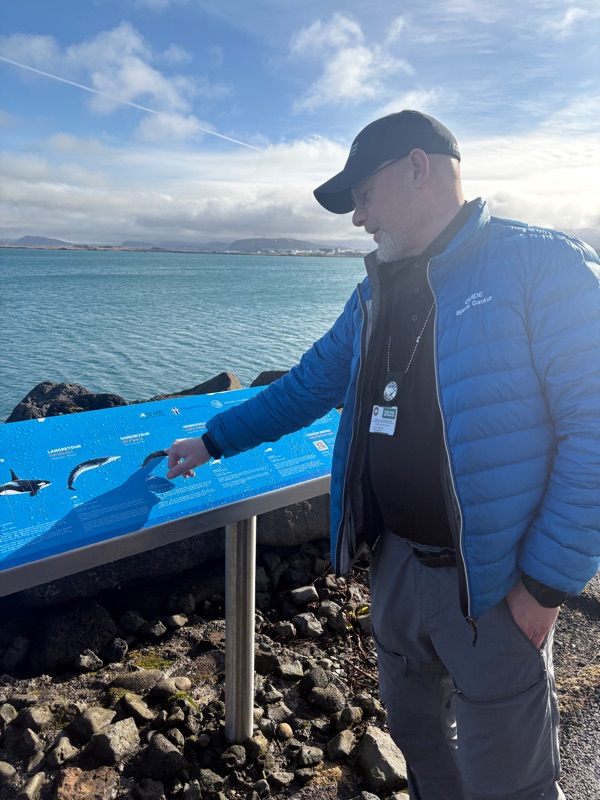
None of the stresses that usually accompany city dwellers seem to be present here as far as I can tell. Our tour guide, “BG”, who is a local, described a very wholesome upbringing for his 3 kids.

Interesting fact: all kids have to learn to swim by high school graduation. Icelanders have access to numerous natural geothermal pools throughout the country which is a big part of their ecosystem.

BG has seen the aurora borealis thousands of times and runs a side business taking tourists out for sightings. He took us to the Aurora Reykjavik museum which was very cool and entertaining.

          Aurora Reykjavik Museum

What to See in Reykjavik

We were all over town today and saw so many attractions.

Aurora Reykjavik museum 

Aurora Reykjavík is an interactive museum devoted to the science, history, and legends of the Northern Lights.  Its exhibits explain how the aurora forms, why its colors vary, and what conditions are needed for a successful sighting. Visitors can also watch beautiful displays of the lights and learn how to photograph them. 

Tip: It is a helpful stop before taking a Northern Lights tour—especially since seeing the real thing is never guaranteed.

The Perlan Museum

The Perlan Museum is a wonderful place to learn about Iceland’s extraordinary natural environment. Its interactive exhibits explore volcanoes, glaciers, earthquakes, geothermal activity, and the Northern Lights.  Highlights include a man-made indoor ice cave and a panoramic observation deck offering beautiful views across Reykjavik and the surrounding landscape.

Laugavegur Street 

Laugavegur is Reykjavik’s main shopping street and one of the liveliest areas in the city. Lined with colorful buildings, it is filled with restaurants, cafés, boutiques, street art, and souvenir shops selling everything from Icelandic wool sweaters to countless puffin-themed gifts. 

It is an enjoyable place to people-watch and experience downtown Reykjavik.

Hallgrimskirkja

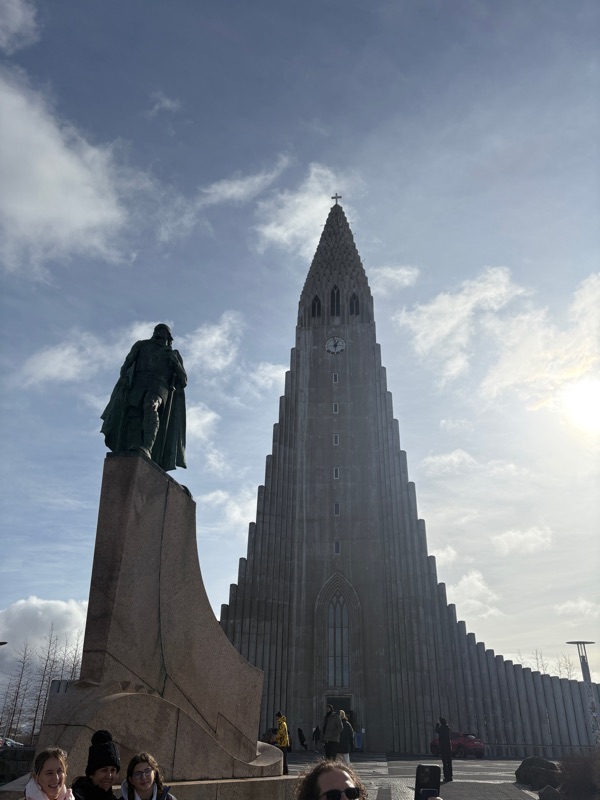
Hallgrímskirkja is Reykjavik’s most recognizable landmark and one of the tallest buildings in Iceland. Its design was inspired by the country’s lava columns, glaciers, and mountains. In front of the church stands a statue of Leif Erikson, the Norse explorer believed to have reached North America centuries before Columbus. 

Tip: Visitors can take an elevator to the tower for panoramic views over Reykjavik’s colorful rooftops, harbor, and surrounding mountains.


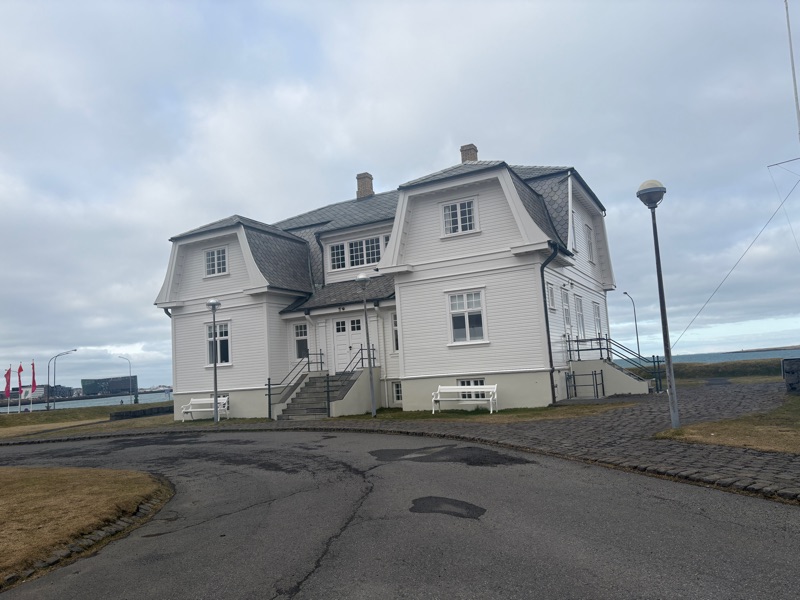
Hofdi House

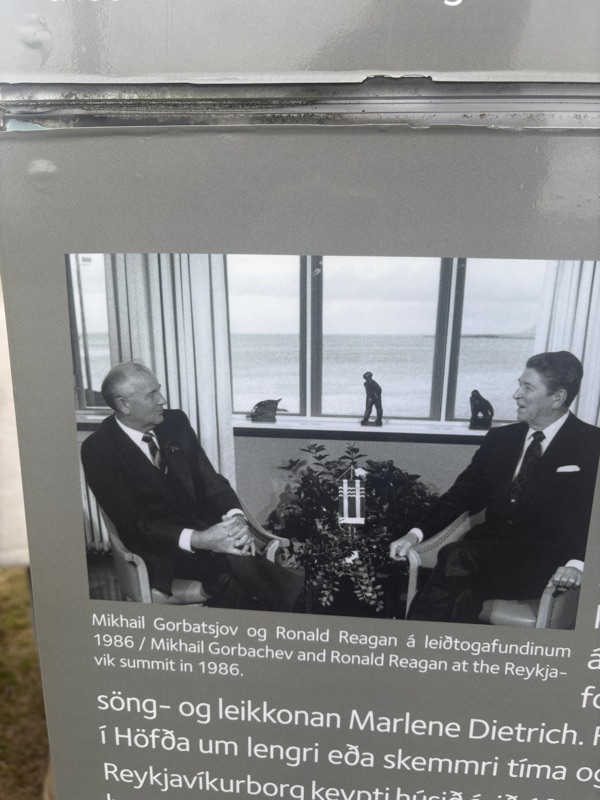
Höfði House is best known as the site of the historic 1986 summit between U.S. President Ronald Reagan and Soviet leader Mikhail Gorbachev.  Their discussions helped pave the way for a major nuclear arms treaty and the eventual end of the Cold War. 

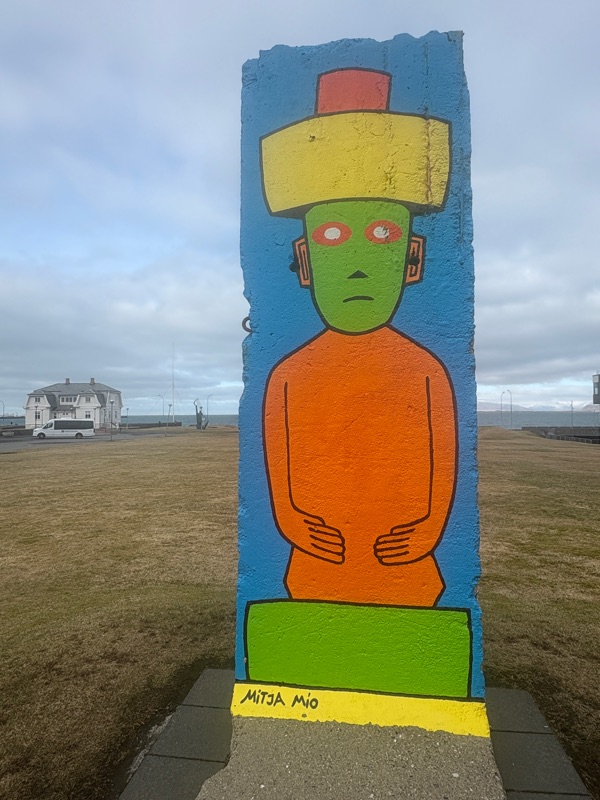
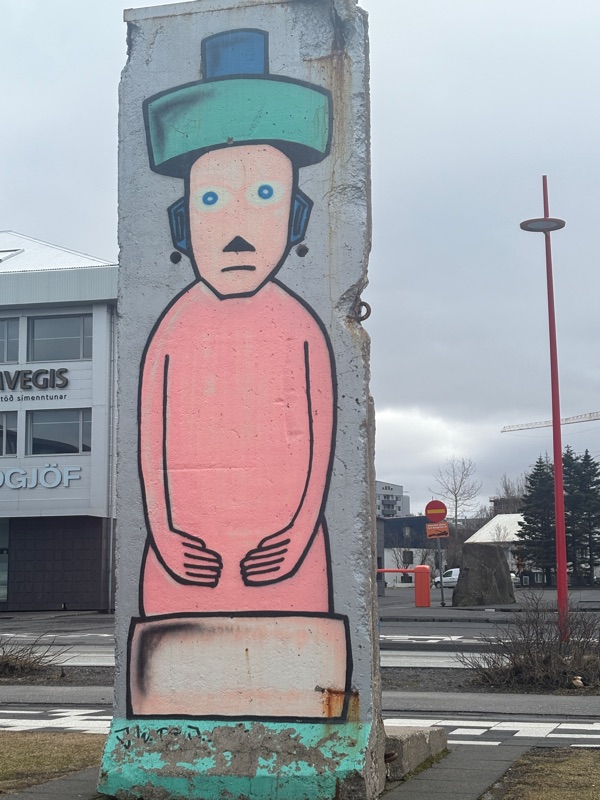
Remnants from Berlin Wall  

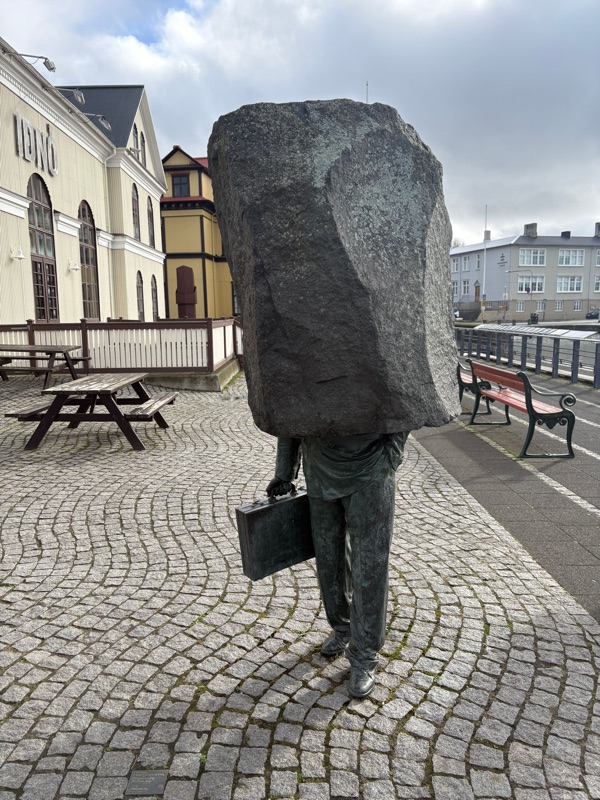
 “The Bureaucrat”

Sun Voyager

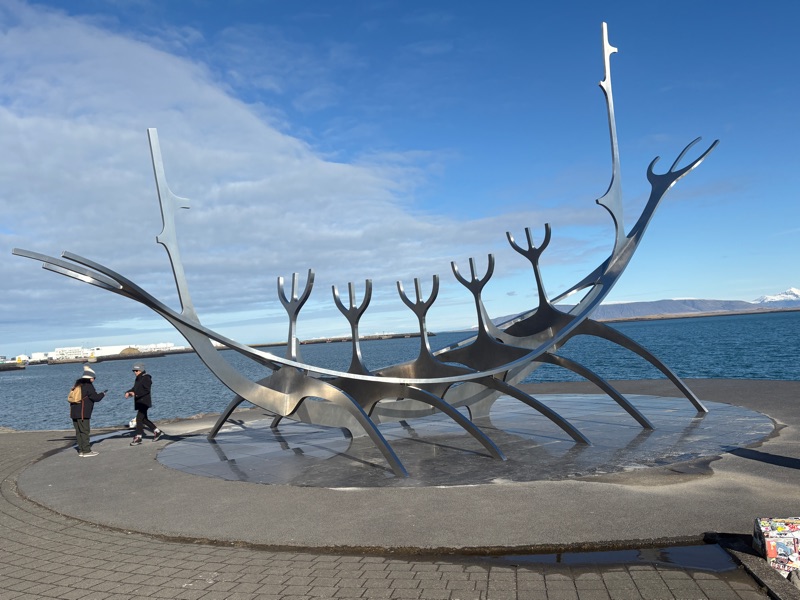
The Sun Voyager is one of Reykjavík’s most recognizable landmarks. Created by Icelandic sculptor Jón Árnason, the sculpture resembles a Viking ship but was actually designed as a “dreamboat” and an ode to the sun. It symbolizes hope, freedom, discovery, and promise.

 Its waterfront location,  makes it one of the city’s most beautiful and photographed sights.


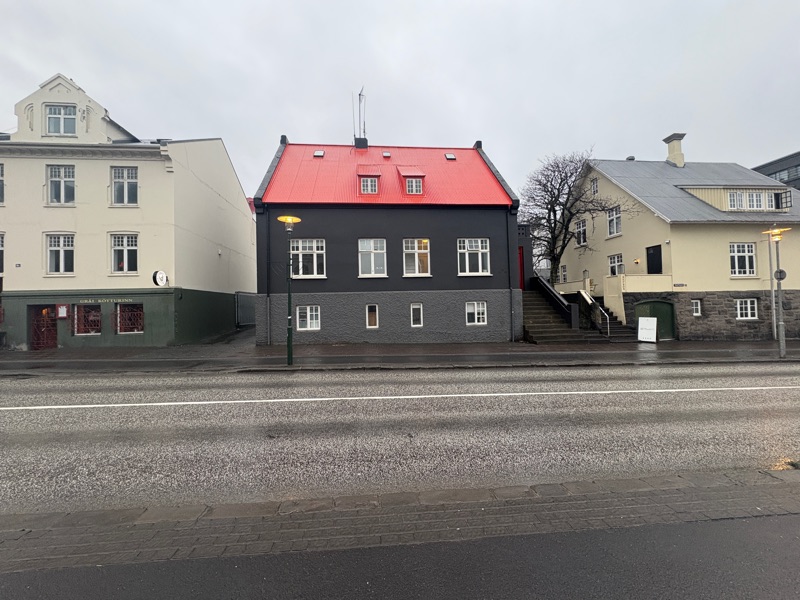
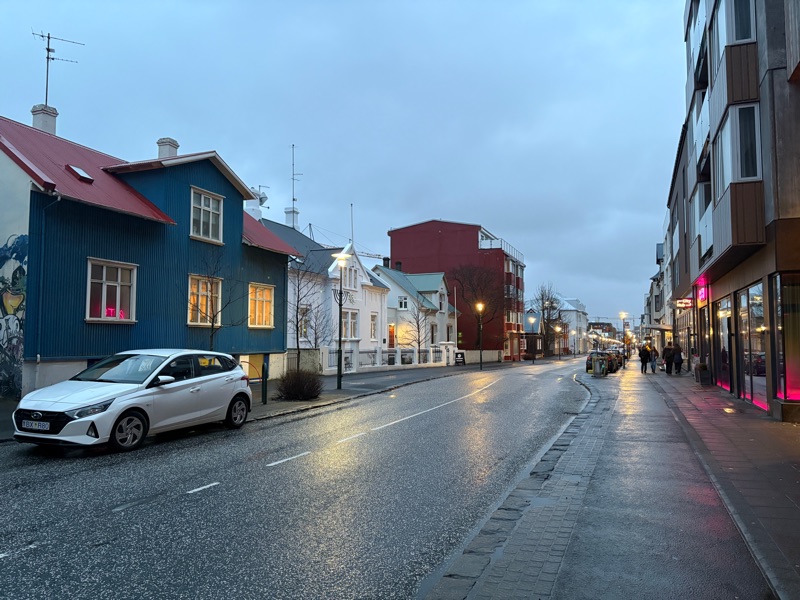
Random Idyllic Streets in Reykjavik


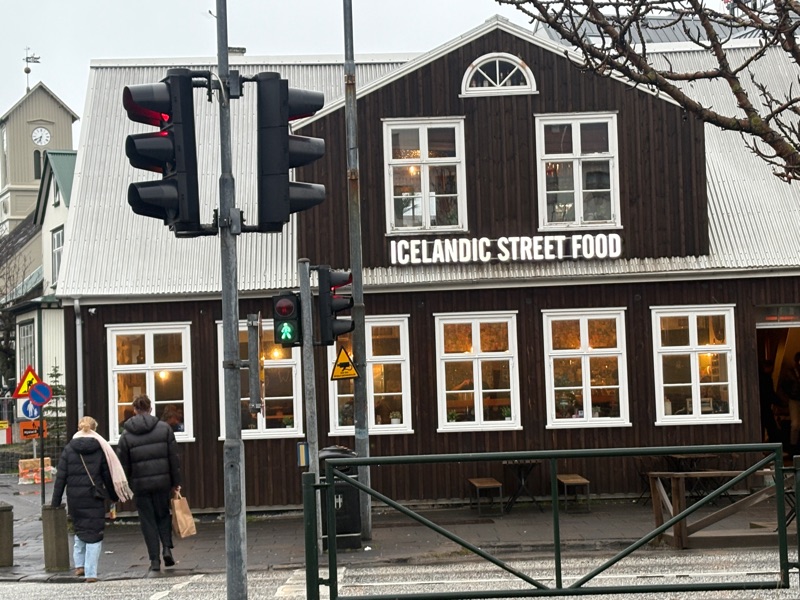
Icelandic Street Food


MY FIRST DAY IN REYKJAVÍK

My first day touring Reykjavík provided a wonderful introduction to Iceland’s history, culture, and remarkable natural environment. 

From Hallgrímskirkja and the colorful shops along Laugavegur to the fascinating Perlan and Aurora Reykjavík museums, there was plenty to discover. Visiting historic Höfði House and seeing the city’s sculptures, street art, and waterfront completed a busy day. 

Reykjavík felt clean, safe, welcoming, and surprisingly easy to explore—an excellent beginning to my Iceland adventure.


Continue reading about the rest of my Iceland adventure:

Iceland’s Golden Circle and Northern Lights: What to Expect

Iceland’s South Coast: waterfalls, glaciers, and black-sand beaches

Reykjavík, Sky Lagoon and Blue Lagoon: My Final Days in Iceland