11/29/24

Buenos Aires - Exploring the Paris of South America


Arriving in Buenos Aires

Today was another travel day. We flew from the regional airport near Iguazu Falls to Buenos Aires in the afternoon and arrived at the Marriott by 6:00 p.m.

Meanwhile, a small crisis was unfolding back in Brooklyn. My neighbor informed me that the low-battery alarm on my smoke detector had been beeping for several days—and was driving him mad. Fortunately, the building superintendent changed the battery. Even when you travel thousands of miles from home, mundane household problems somehow manage to find you!
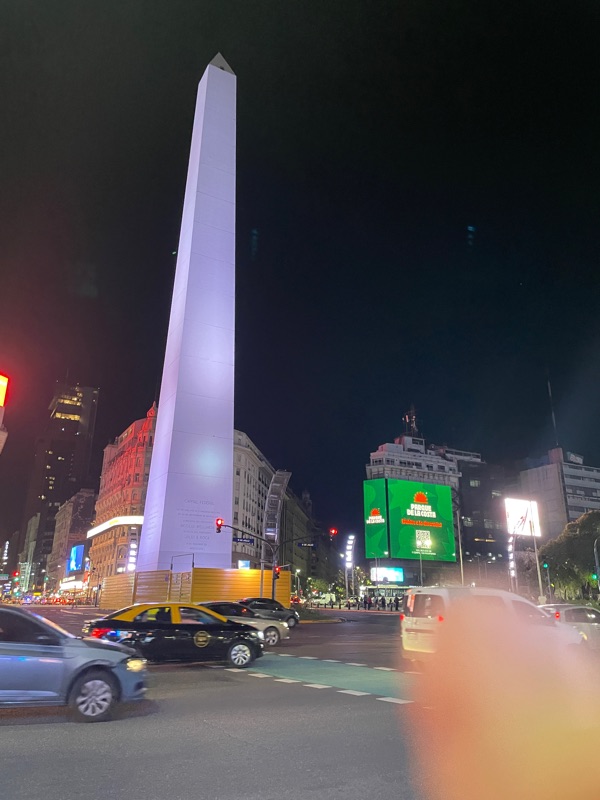
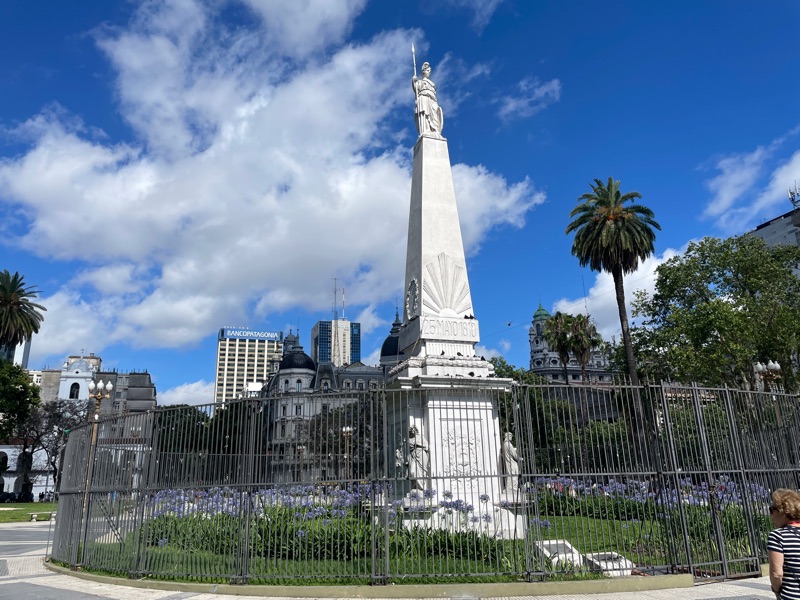
Obelisk

Our hotel was conveniently located near the Obelisk, one of Buenos Aires’ most recognizable landmarks. The monument is surrounded by the city’s lively theater district.

My first impression was that Buenos Aires felt more like the “New York of South America” than the “Paris of South America.” The busy avenues, bright lights, theaters, and late-night energy certainly reminded me of home. Still, I hoped that the city’s more elegant, European side would reveal itself soon.

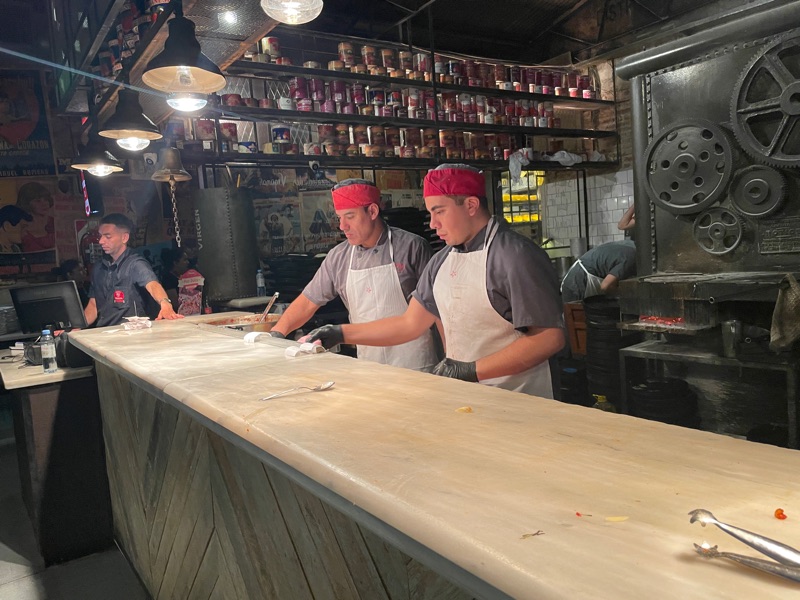
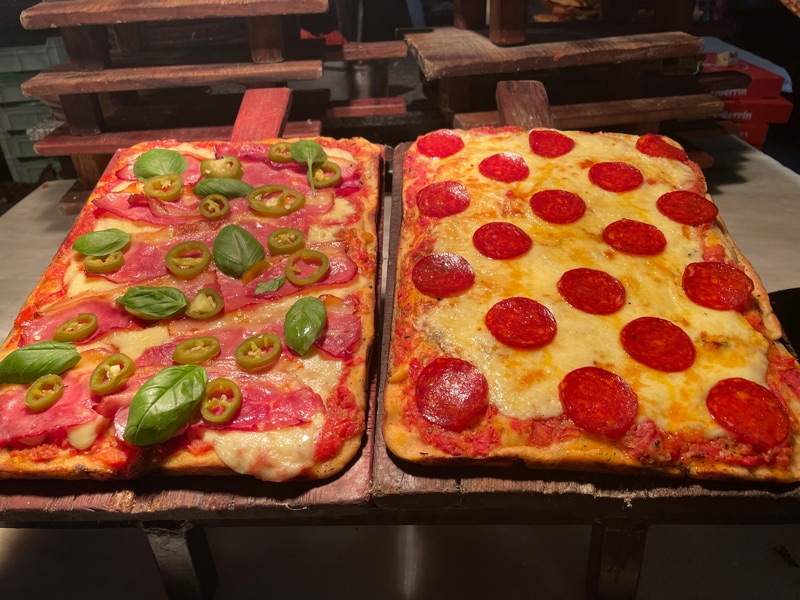
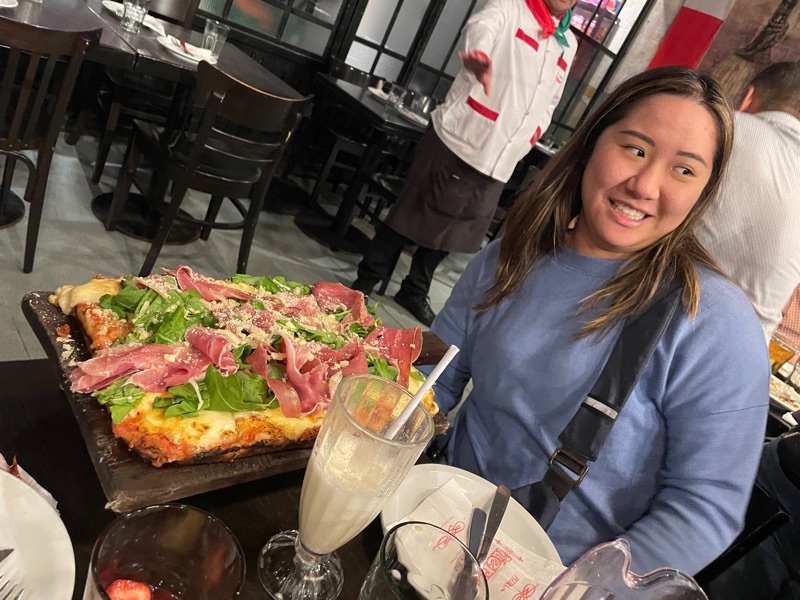
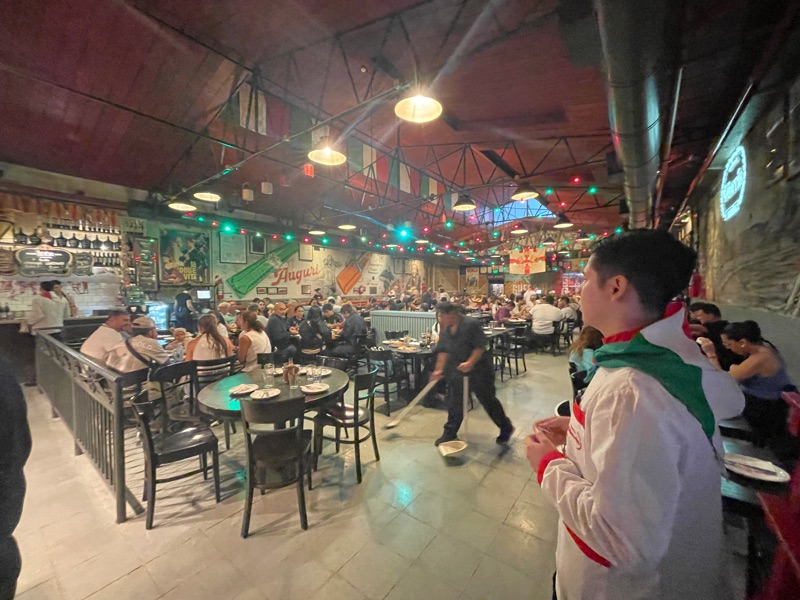
For dinner, we hurried to Güerrín, one of Buenos Aires’ most famous pizzerias. The restaurant was crowded and energetic, and the thick, Argentine pizza was very different from a typical New York slice. Everyone ate far too much, but the food and atmosphere were wonderful—a delicious beginning to our time in Buenos Aires.
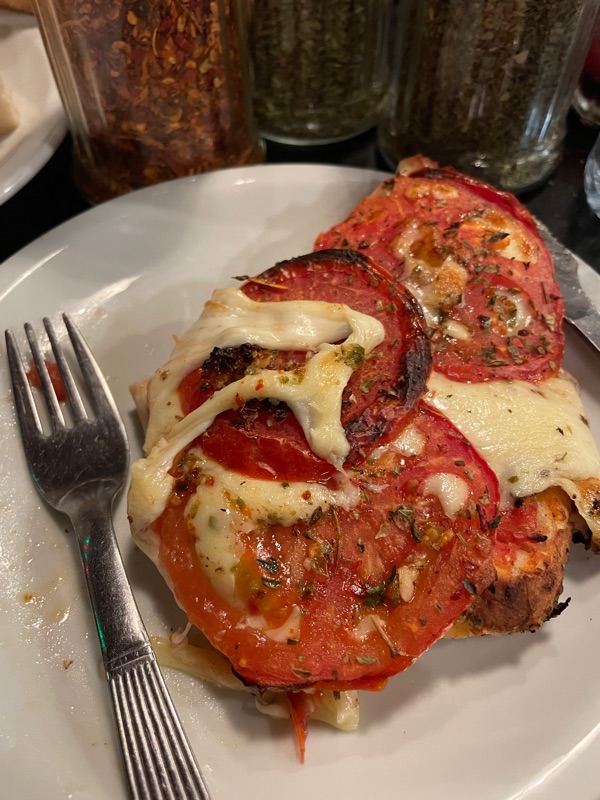
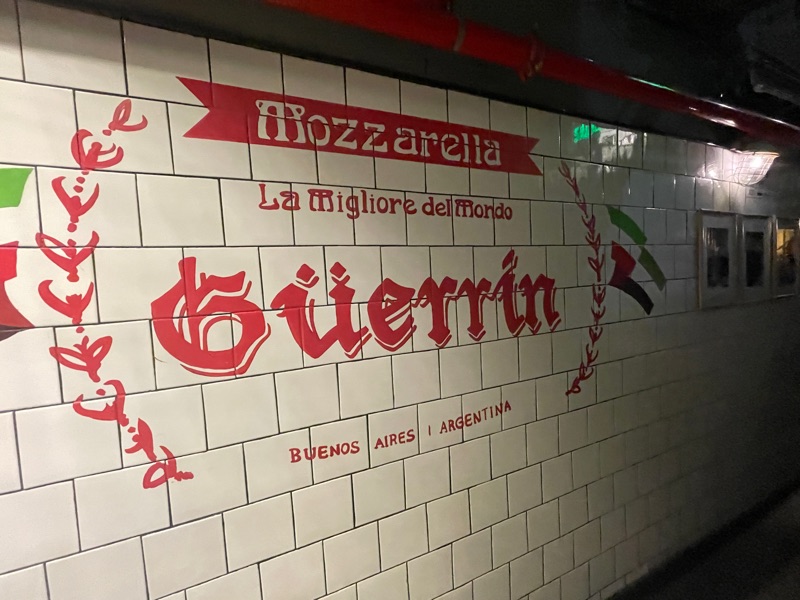
  Guerrin    

Plaza de Mayo

The next morning, we visited Plaza de Mayo, the historic and political heart of Buenos Aires. 

The square is home to the Metropolitan Cathedral, where Jorge Mario Bergoglio served as Archbishop of Buenos Aires before becoming Pope Francis. 

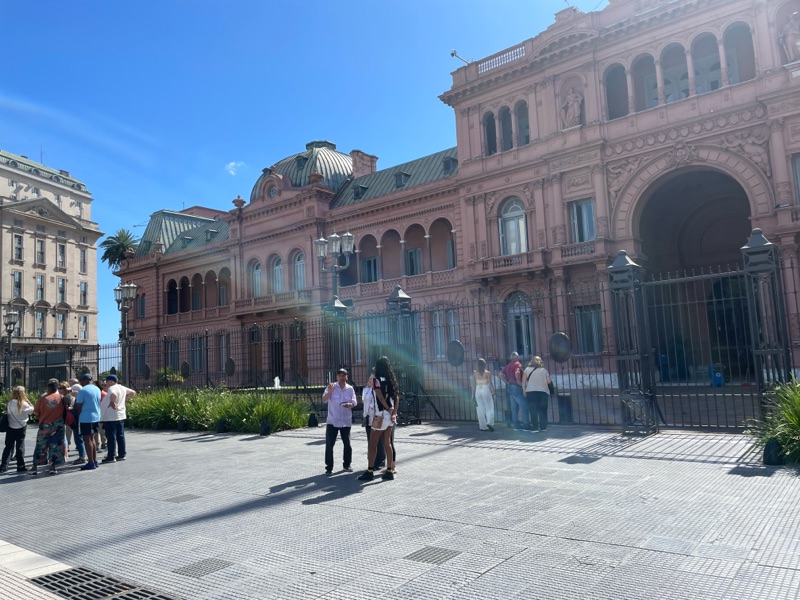
Nearby stands the Casa Rosada, or “Pink House,” Argentina’s presidential palace. From its famous balcony, Eva Perón—better known as Evita—addressed crowds of supporters. 

Standing in the plaza felt like being surrounded by some of the most important moments in Argentina’s history.
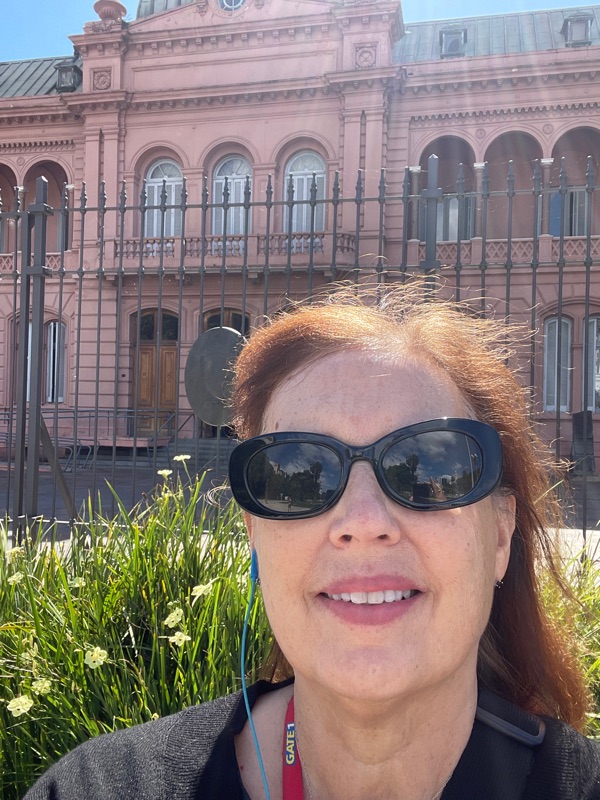
Pink House 

Argentina endured several military dictatorships during the 20th century, the most recent lasting from 1976 to 1983. During this time, known as the Dirty War, thousands of people were abducted, tortured, and killed. Human-rights organizations estimate that as many as 30,000 people disappeared.

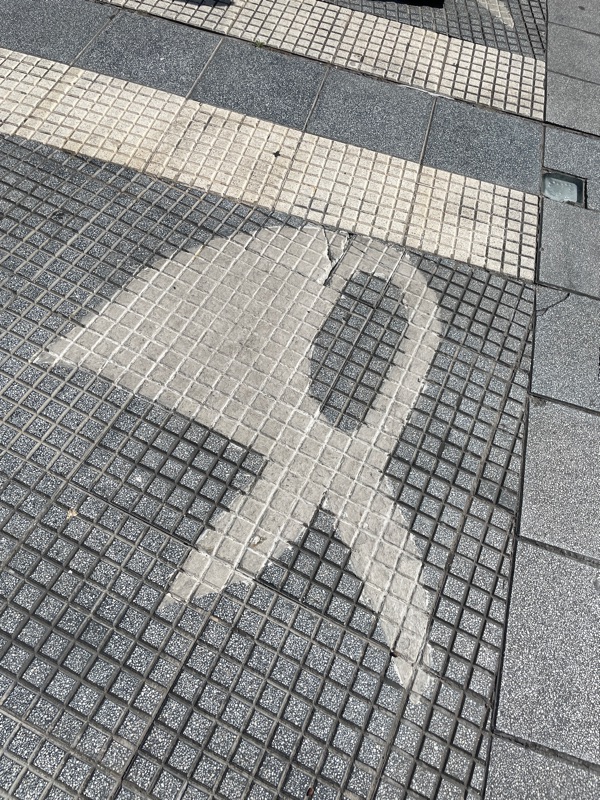
The Mothers of Plaza de Mayo began gathering in the square in 1977, demanding answers about their missing sons and daughters and courageously challenging the military regime. Their symbolic white headscarves are painted on the pavement around the plaza. The Mothers continued holding weekly marches and became an internationally recognized symbol of resistance and the fight for human rights.
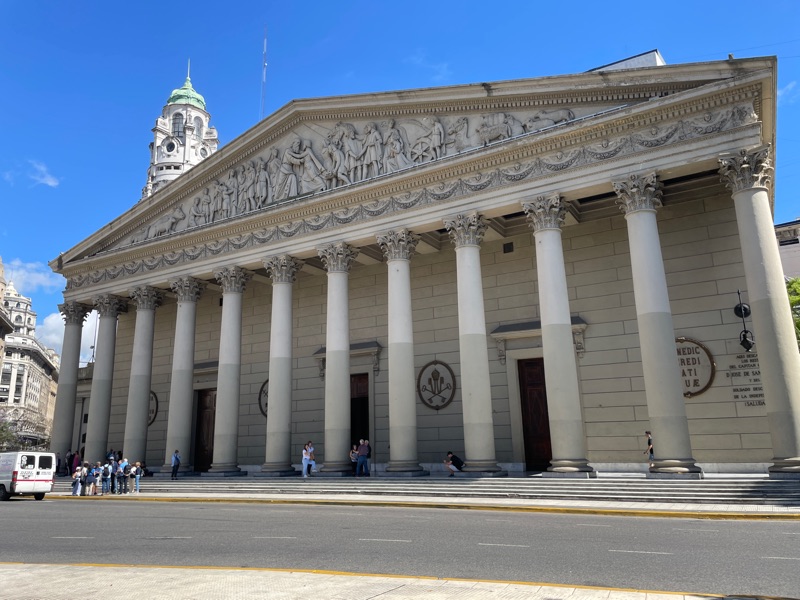
Metropolitan Cathedral Pope Francis church, Metropolitan Cathedral

La Boca

Next, we stopped in La Boca,  Buenos Aires’ most colorful—and touristy—neighborhood. Its main attraction is El Caminito, a lively pedestrian street lined with brightly painted buildings, local artwork, souvenir shops, and outdoor tango performances. Its bold colors and atmosphere make it fun.
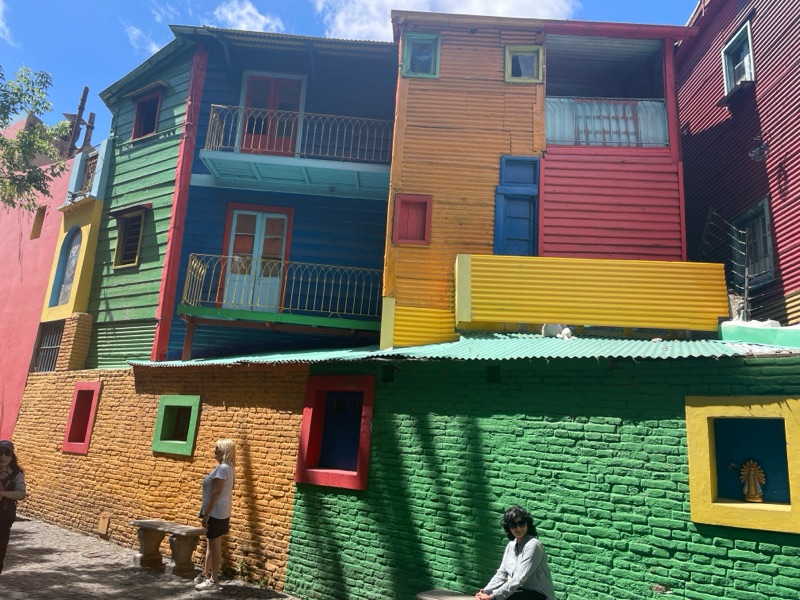
     La Boca 

Recoleta Cemetery

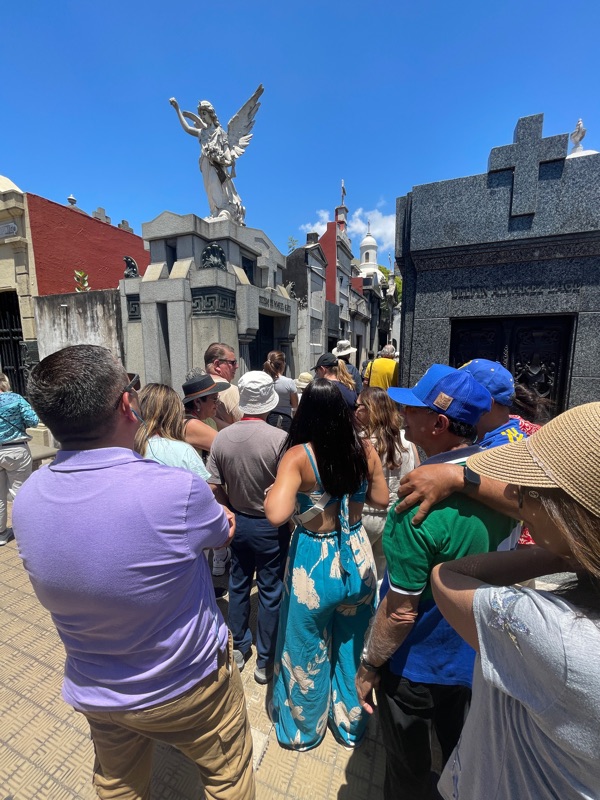
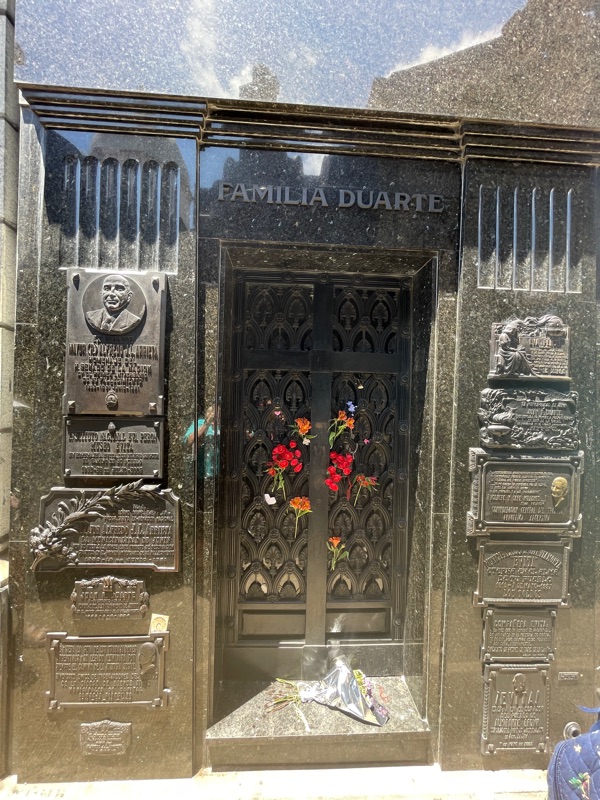
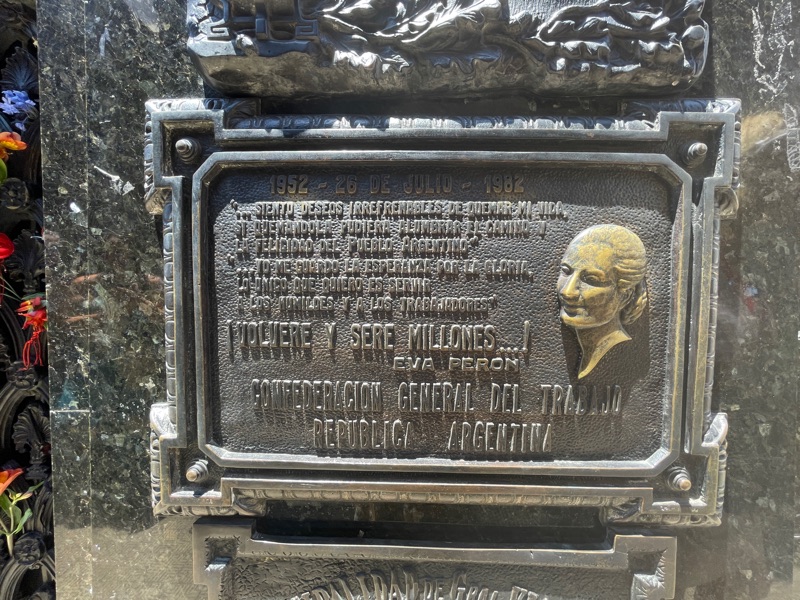
Then we headed to the famous Recoleta Cemetery, where Eva Perón rests in her family’s mausoleum. Her remains followed a long and extraordinary journey after her death in 1952. Following the military coup that overthrew her husband, President Juan Perón, in 1955, her embalmed body was secretly removed from Argentina and eventually buried in Italy under a false name.

In 1971, her remains were returned to Juan Perón, who was living in exile in Madrid. After his death, his third wife and successor as president, Isabel Perón, brought Evita’s body back to Argentina in 1974. In 1976, she was finally laid to rest in the Duarte family mausoleum at Recoleta Cemetery—nearly 24 years after her death.
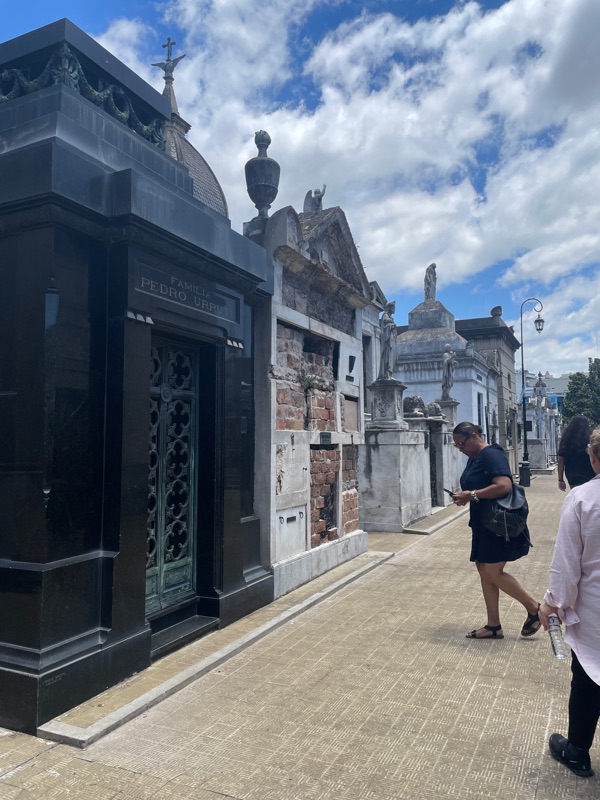
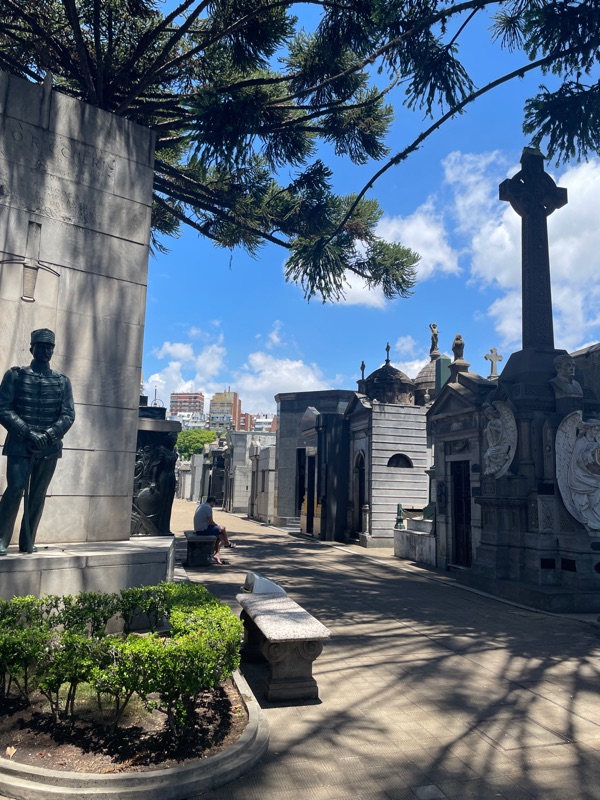
recoleta cemetery recoleta cemetery.


Afterward, I walked to El Ateneo Grand Splendid, a bookstore housed in a former theater. Frequently described as one of the most beautiful bookstores in the world, it retains many of the theater’s original details, including ceiling frescoes, elegant balconies, and crimson curtains. With more than 120,000 books and a cozy café on the former stage, it is the perfect place to settle in with a good book.
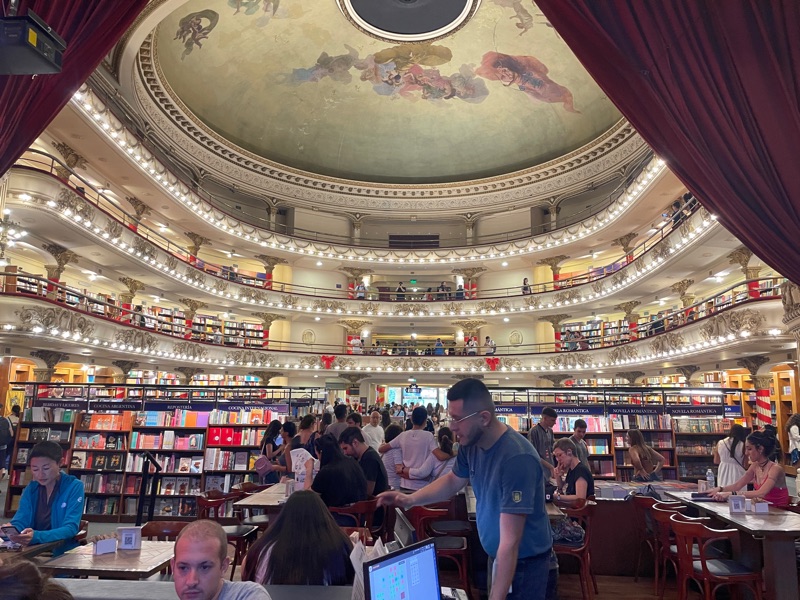
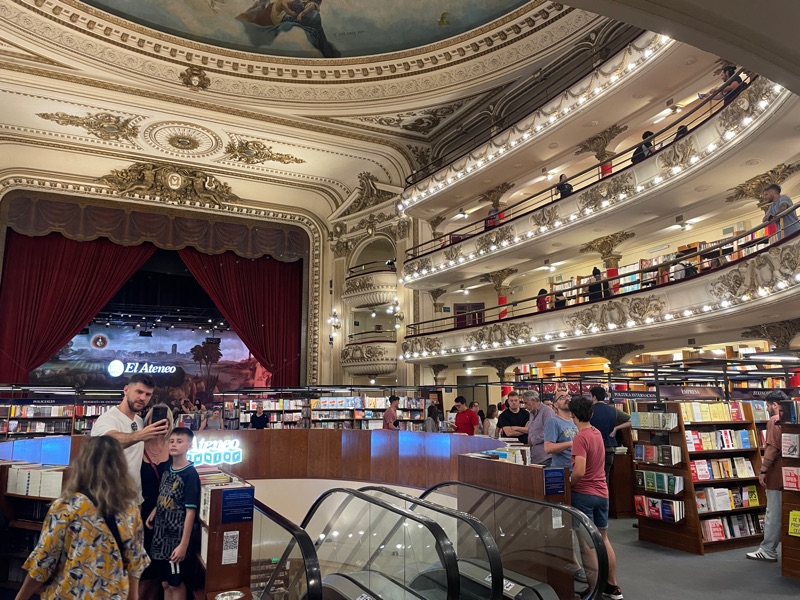
El Ateneo bookstore

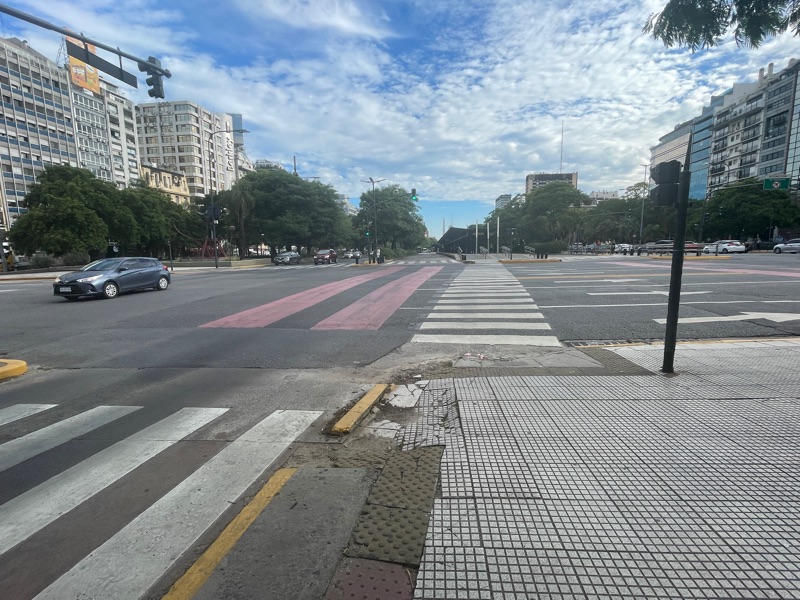
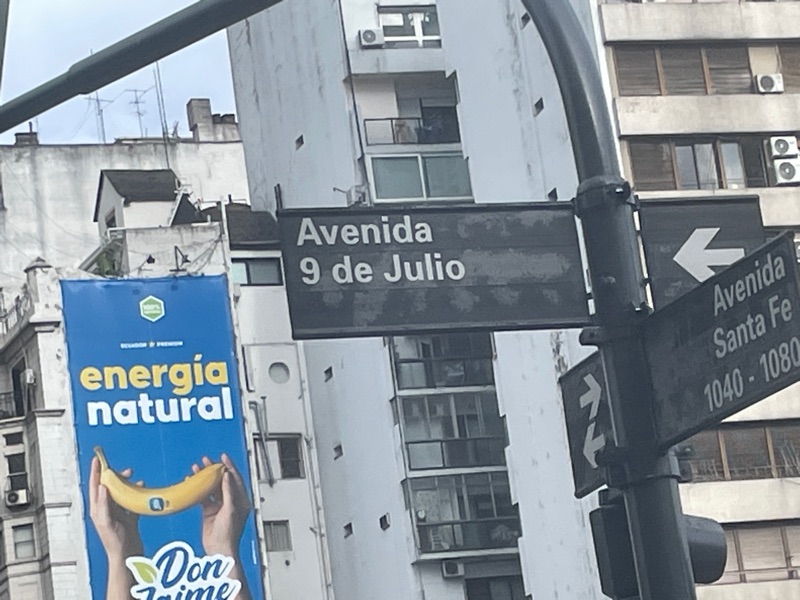
Returning to the hotel meant crossing Avenida 9 de Julio which has about 20 traffic lanes. It takes a while to get across the busy road. I rewarded myself with an Empanada at a local food stand when I reached the other side.😋
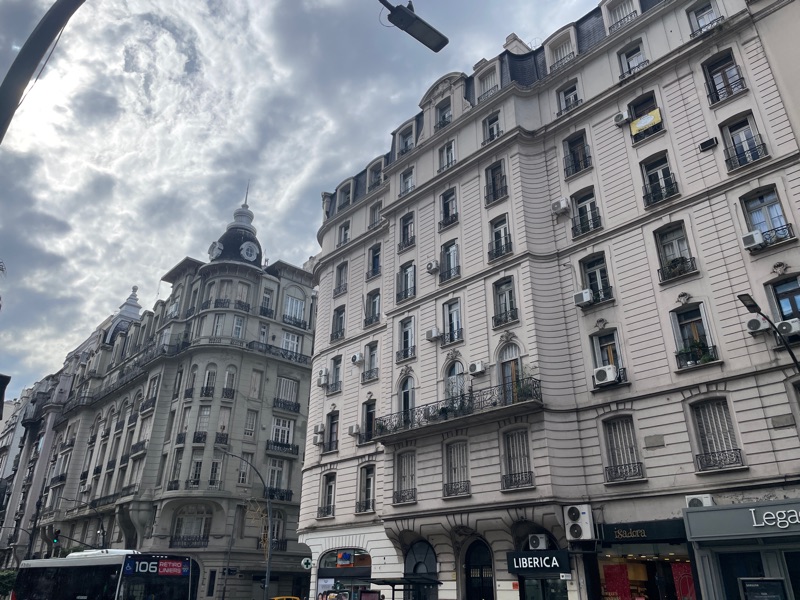
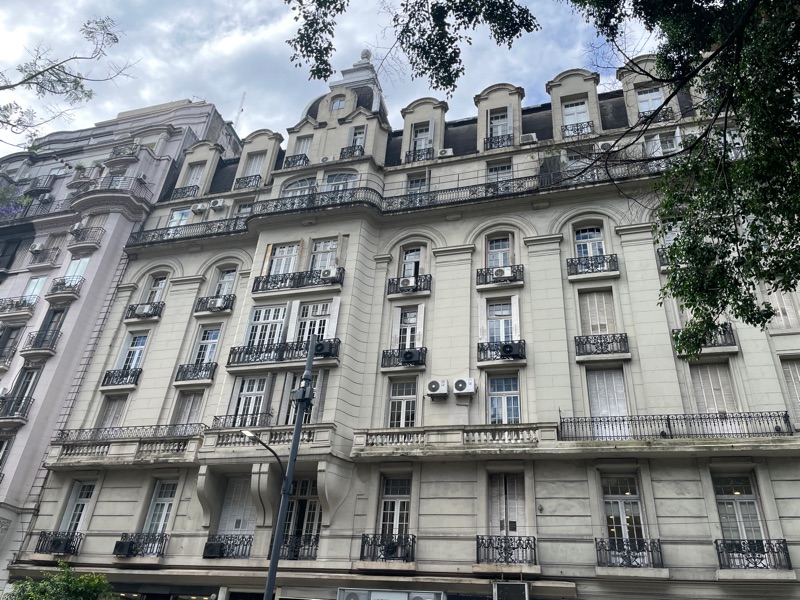
While walking through the elegant Recoleta neighborhood, I began to notice the strong Parisian influence in its architecture, with grand buildings, ornate façades, and tree-lined boulevards. After seeing more of the city, I now understand and agree with why Buenos Aires is called the “Paris of South America.” 😌
 .   

While Buenos Aires is a beautiful and sophisticated city, it also faces serious social challenges. Seeing people experiencing homelessness was troubling, particularly families with very young children living on the streets. It was a reminder that hardship exists alongside the city’s elegance and cultural richness.

Continue reading about the rest of my South America adventure:

Santiago Chile - Fascinating City Beneath the Andes  

Valparaiso: A Colorful Day Trip from Santiago

Last Day in Santiago: Museum of Memory, La Chascona and Sky Costanera

Flying from New York to Brazil: What to Expect

Made It to Rio de Janeiro—Despite the Travel Hurdles

Rio De Janeiro Must-See Sights: Christ the Redeemer, Sugarloaf Mountain and More

11/28/24

Iguazu Falls: Experiencing The Power of Nature in Brazil and Argentina

The Brazilian Side of Iguazu Falls

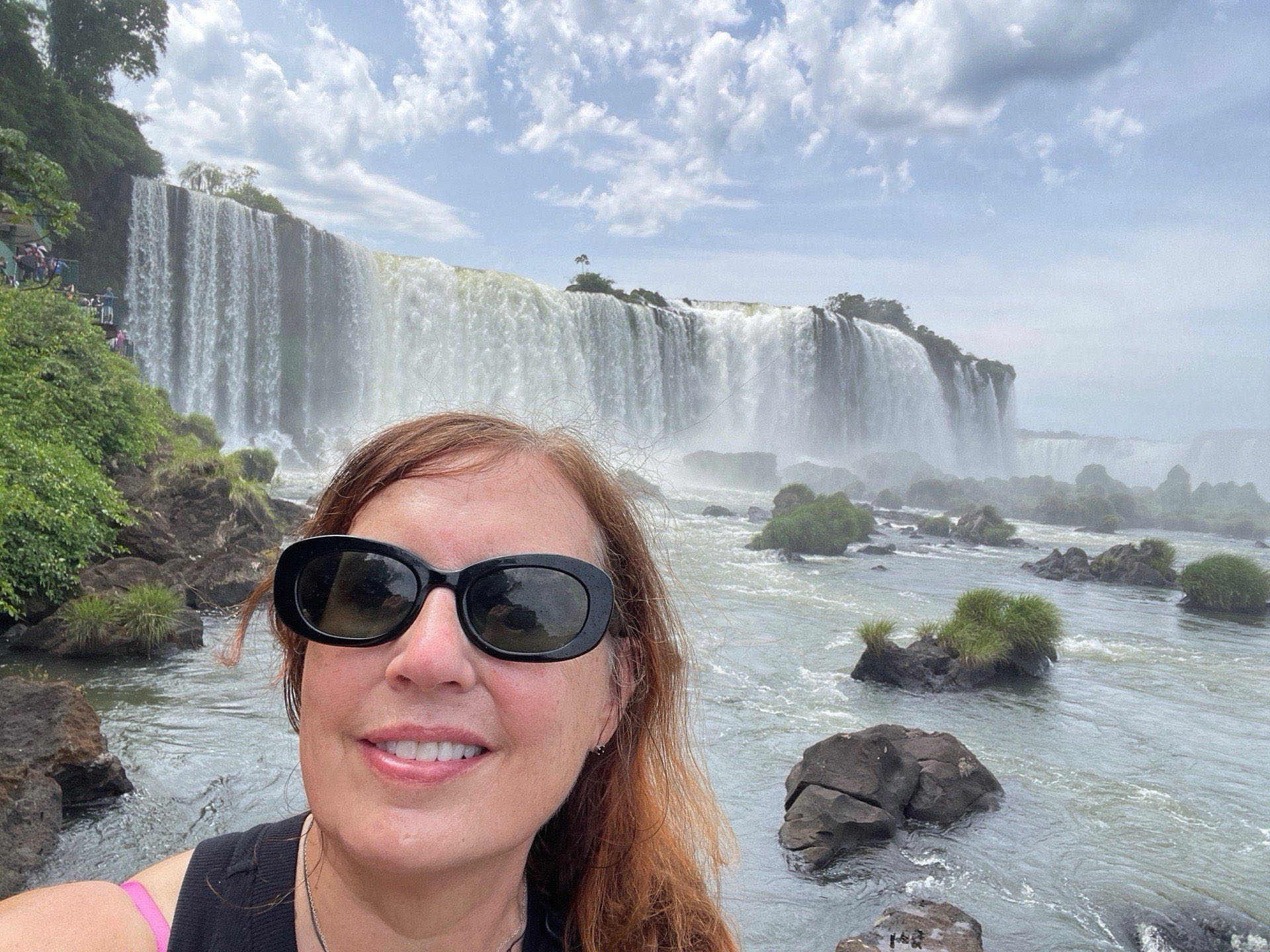
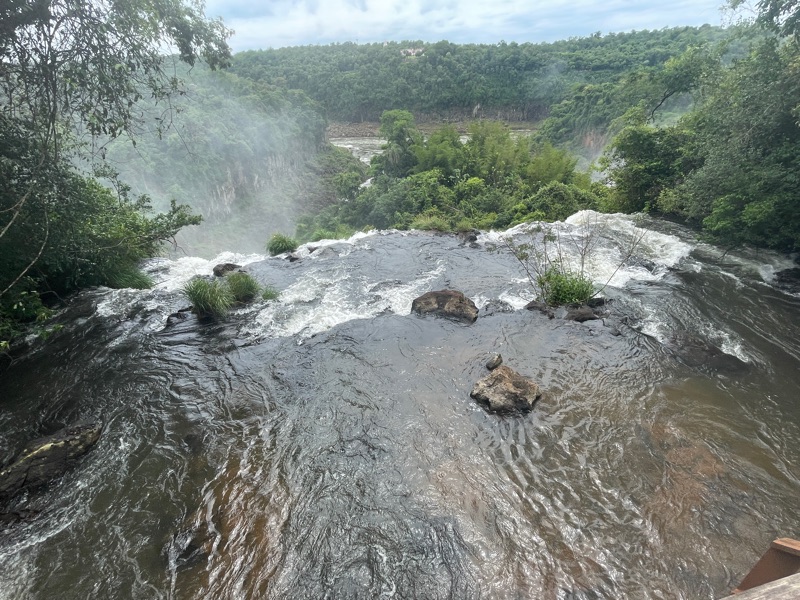
Today we visited Iguaçu National Park to experience the falls from the Brazilian side. Photographs simply cannot capture their enormous scale, thunderous sound, and breathtaking power. The Brazilian side offers sweeping panoramic views across the many individual waterfalls, making it possible to appreciate just how vast the entire system is.

Tomorrow, we will cross the border to explore the Argentine side. Its network of walkways brings visitors much closer to the rushing water, offering a completely different perspective. It is supposed to be even more dramatic, although after today’s views, that is difficult to imagine.

Iguazu FallsIguazu Falls


Another Airport Mishap

Despite my best efforts to ensure a seamless journey from Rio to Iguazu, I forgot to remove a portable phone charger containing a lithium battery from my checked luggage. Power banks must be carried in your hand luggage, so even though I had already reached the departure gate, I was sent back to security to retrieve it.
Thankfully, Veni accompanied me and remained patient and helpful throughout the ordeal. I was convinced that we would miss the flight, but he assured me that there was plenty of time. We eventually returned to the gate with time to spare—and I did not cry. Another travel crisis successfully averted!

The Argentinian Side of Iguazu Falls

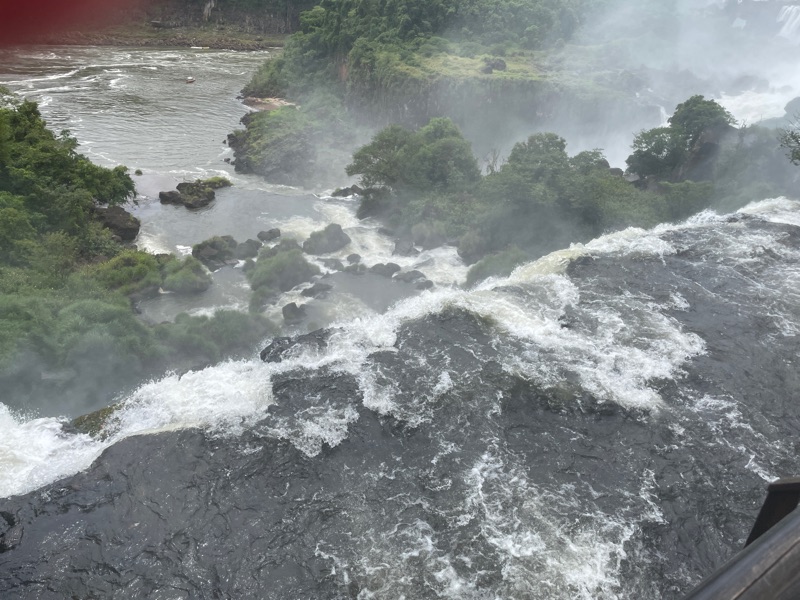
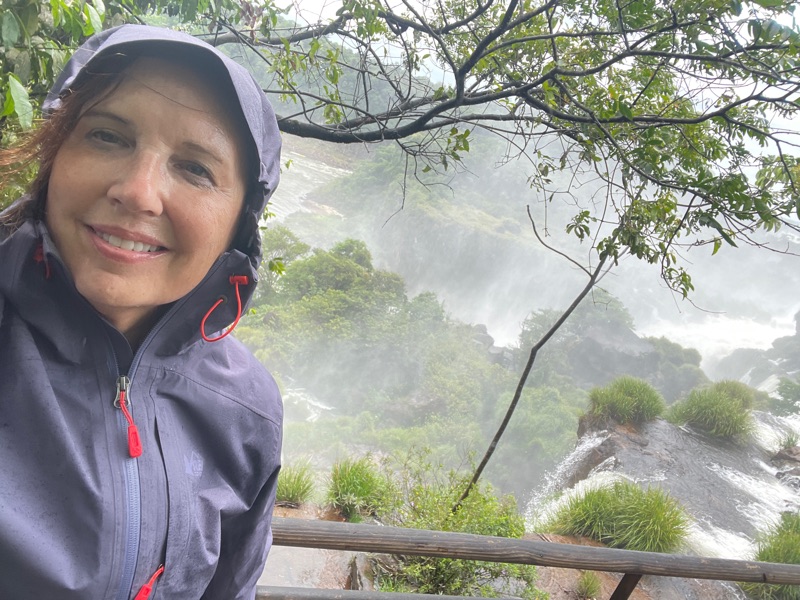
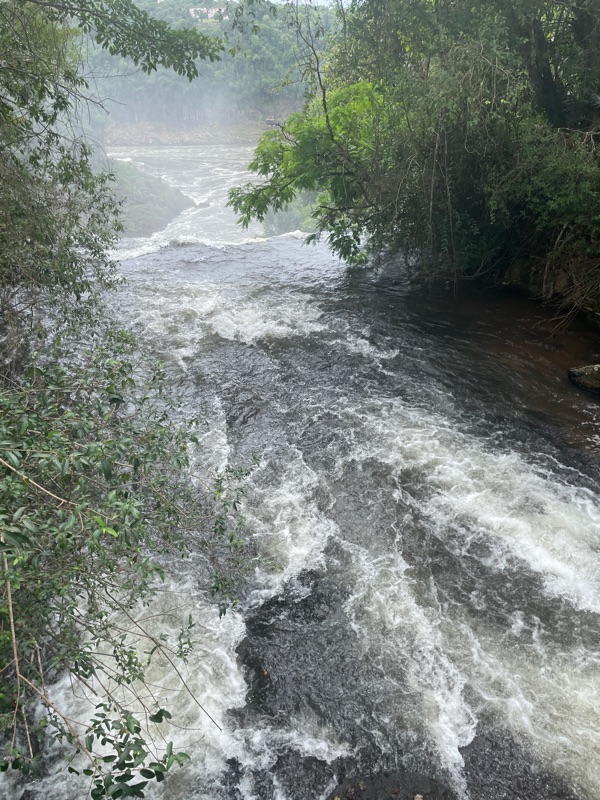
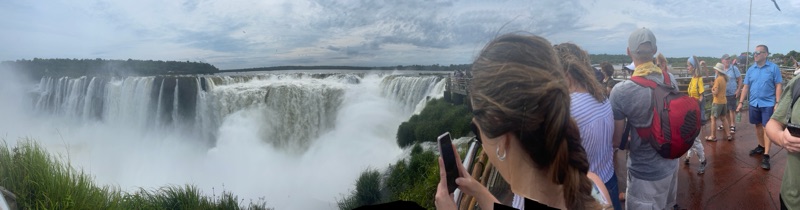
The next day, we ventured onto the Argentinian side of Iguazu Falls. We hiked 3 trails about 1.5 miles each that offer different views of the falls. The trails are not difficult to navigate at all. For most of the trails, there are boardwalks which make it fairly easy to walk on. Due to the sheer number of people, you can get to the finish line if you keep a steady pace. If you have a disability, there are shortcuts, no worries.

Iguazu Falls.   Iguazu Falls

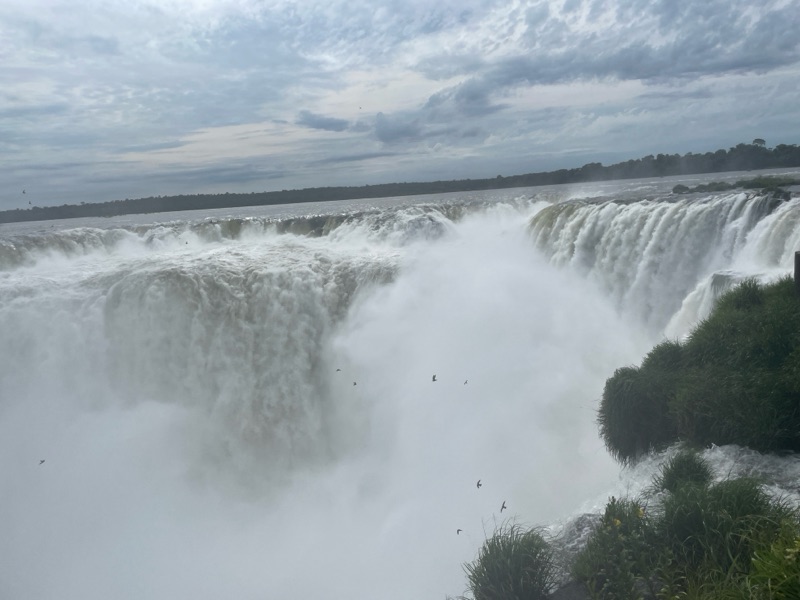
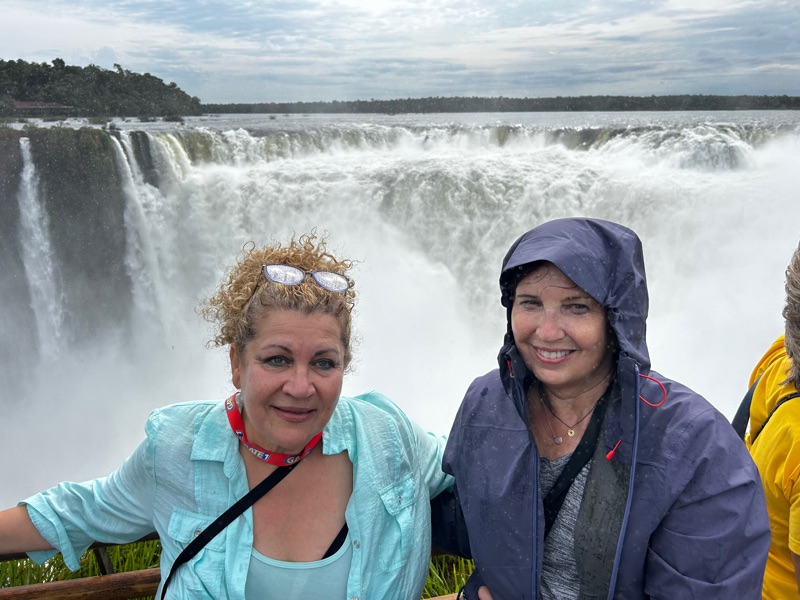
We started with the impressive Devil's Throat which looks like water going down your bathtub drain but billions of times larger and more powerful.

TIP: I bought a separate ticket to take the boat ride under the falls but it was canceled due to a thunderstorm. I do recommend trying to do this because the boat ride seemed spectacular.


Travel Tips and Observations

Here are a few useful observations from my trip so far:

Brazil offered excellent value during my visit. I enjoyed wonderful dinners with signature cocktails for approximately $20. A 30-minute Uber ride cost $4, while the return trip during rush hour was only $6. A hotel room near the beach was approximately $125 per night. Although reaching Rio was not especially easy, once I arrived, I found it surprisingly affordable. Prices and exchange rates can change, of course.

The people were warm and friendly. One taxi driver even gave me a hug after I left him a small tip. Experiences like that can make a visitor feel welcome in an unfamiliar country.

The economic inequality is difficult to ignore. Brazil has one of the world’s largest economies, yet the contrast between wealthy tourist districts and struggling communities is striking. Brazil does have social assistance programs, but poverty and unequal access to opportunity remain serious problems. Addressing those conditions could also help reduce some of the desperation that contributes to petty crime.

English is not widely spoken everywhere. Learning a few common Portuguese words and phrases is extremely helpful. Of course, successfully asking a question in Portuguese does not necessarily mean that you will understand the answer! A translation app can be invaluable.

Practice good photography etiquette. Take your picture and then move aside if other people are waiting. Likewise, remain aware of your surroundings and try not to walk through someone else’s photograph. Everyone deserves a turn without a stranger appearing in the background

Tonight, we are having our own Argentine Thanksgiving dinner featuring traditional local dishes—but no turkey!

11/25/24

Rio De Janeiro Must-See Sights: Christ the Redeemer, Sugarloaf Mountain and More

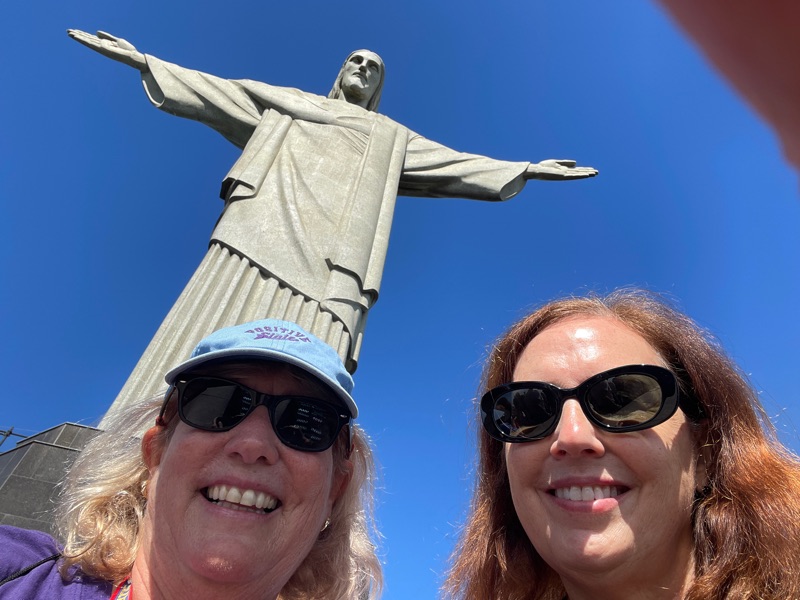
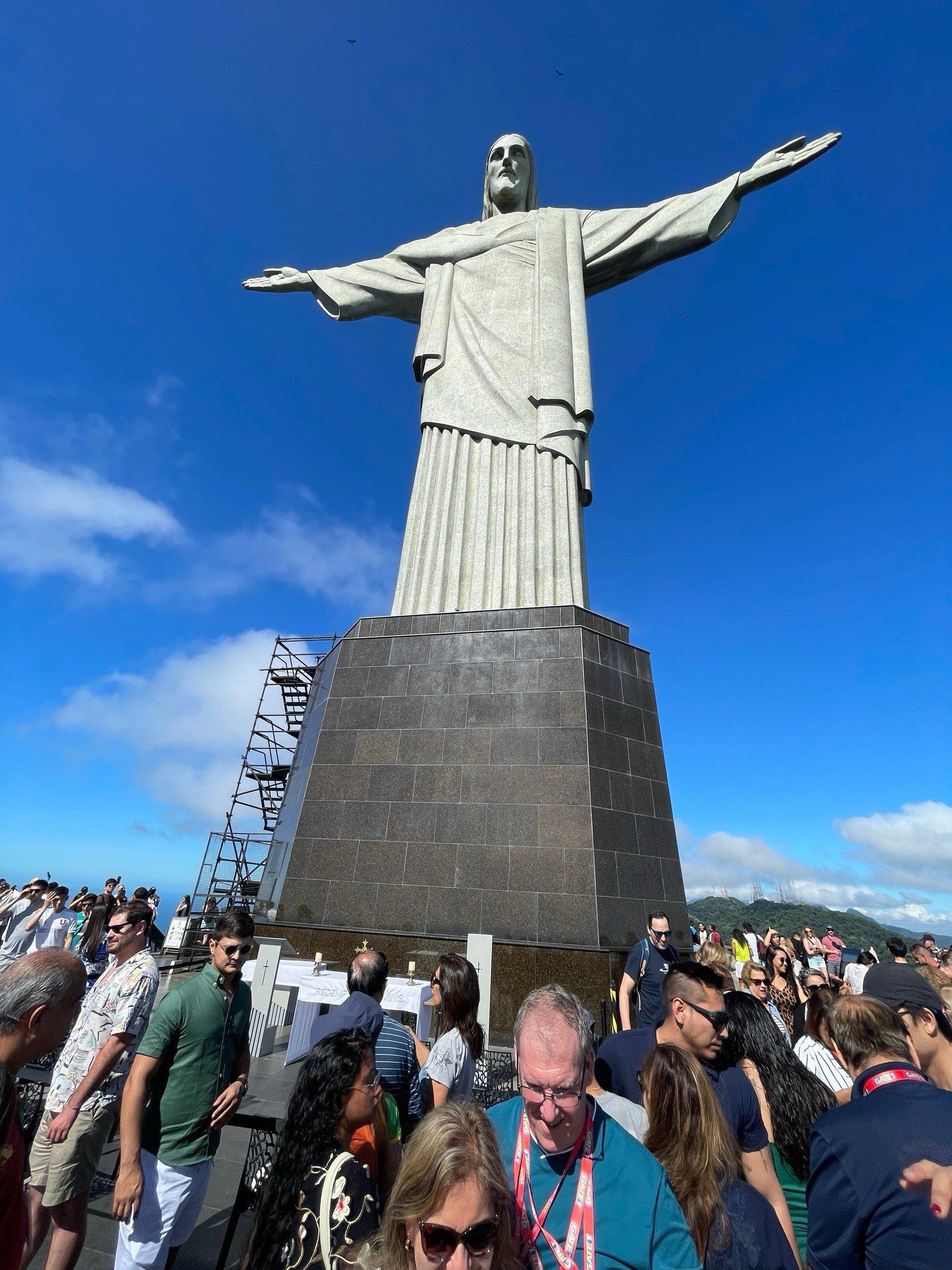
Christ the Redeemer

Christ the Redeemer.  

 Christ the Reddemer

Hello Jesus . Today was a visit to Rio’s number one attraction. 

Christ the Redeemer is one of the New Seven Wonders of the World and Rio de Janeiro’s most recognizable landmark. The statue itself stands approximately 125 feet (with pedestal) and rises above the city from the summit of Corcovado Mountain in Tijuca National Park. The view over Rio’s mountains, beaches, and spectacular harbor add to Christ the Redeemer’s awe factor.

As a New Yorker, I believe the Statue of Liberty also deserves recognition as a world wonder too.

Statue of Liberty

Ipanema Beach

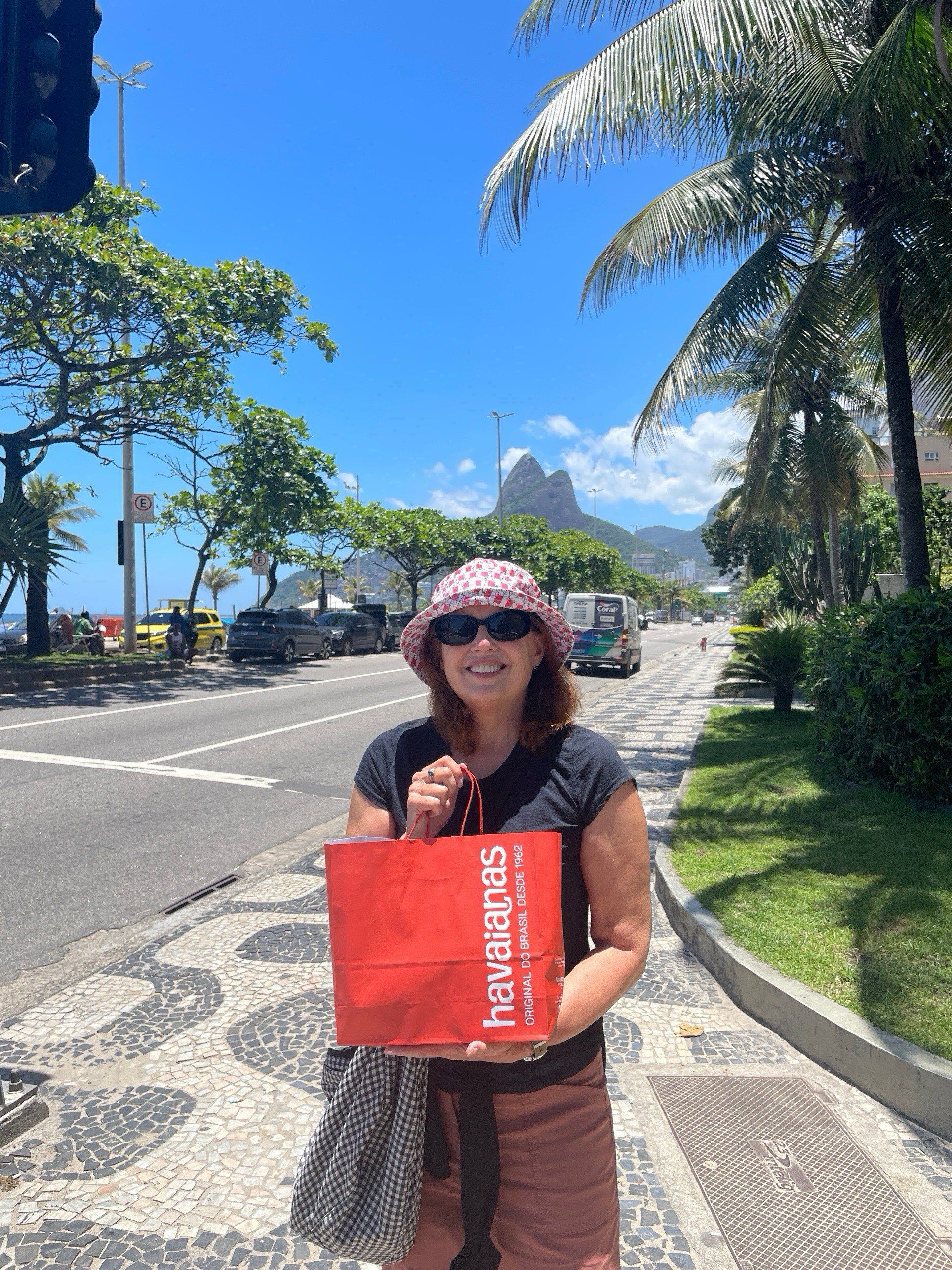
Later, I visited Ipanema beach, made famous by the bossa nova classic song “The Girl from Ipanema.” The song became an international hit in 1964, and later, a bigger hit when Frank Sinatra  recorded his version. Veni sang it for us just in case anyone was unfamiliar with the tune.

The song was inspired by Helô Pinheiro, a beautiful young woman whom its writers frequently saw walking through the Ipanema neighborhood. She later became a model and businesswoman and remains forever associated with the famous song. 


TIP: Buy a pair of Brazilian Havaianas flip-flops to take home.

A Strange Coincidence

That evening, Veni treated us to happy hour at his favorite beach bar. We thought someone at the next table said that they were from New Jersey, so naturally, we started a conversation. We soon learned that they traveled to Rio frequently for work.

What did they do? They were pilots for Delta Air Lines—the same airline that had nearly wrecked my trip. Even more remarkably, they had piloted my flight to Rio. Weird, but true. Sometimes the most unlikely encounters become the best travel stories.

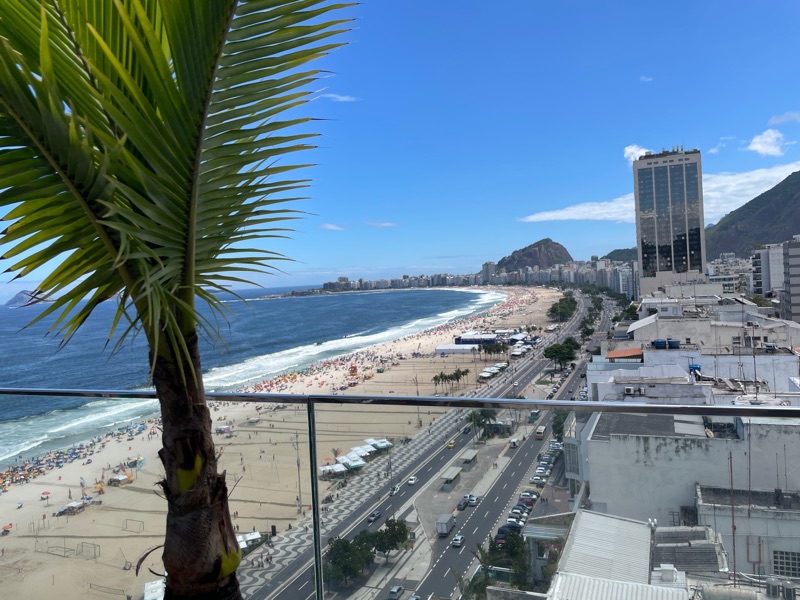
Copacabana Beach

Sugarloaf Mountain

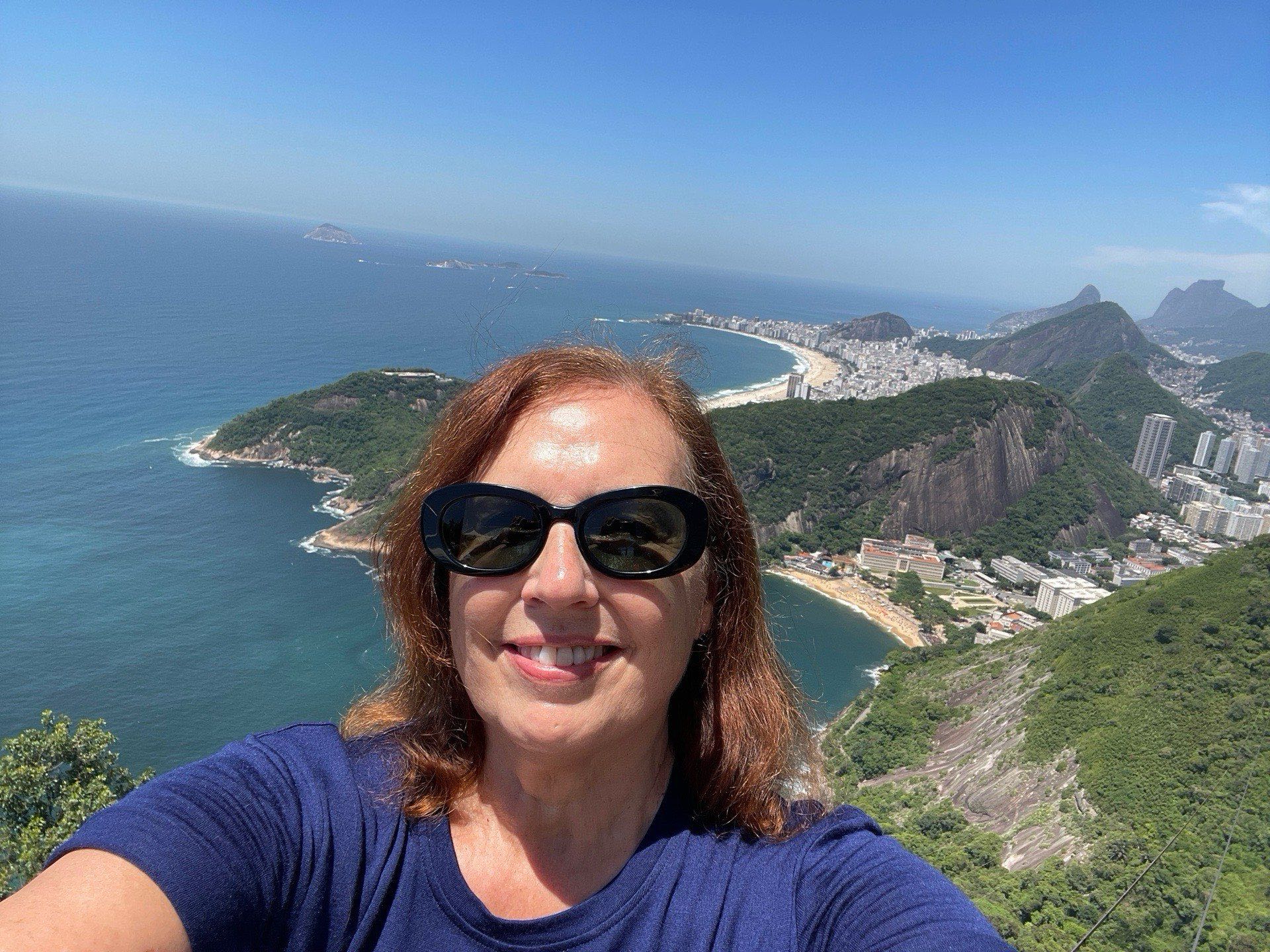
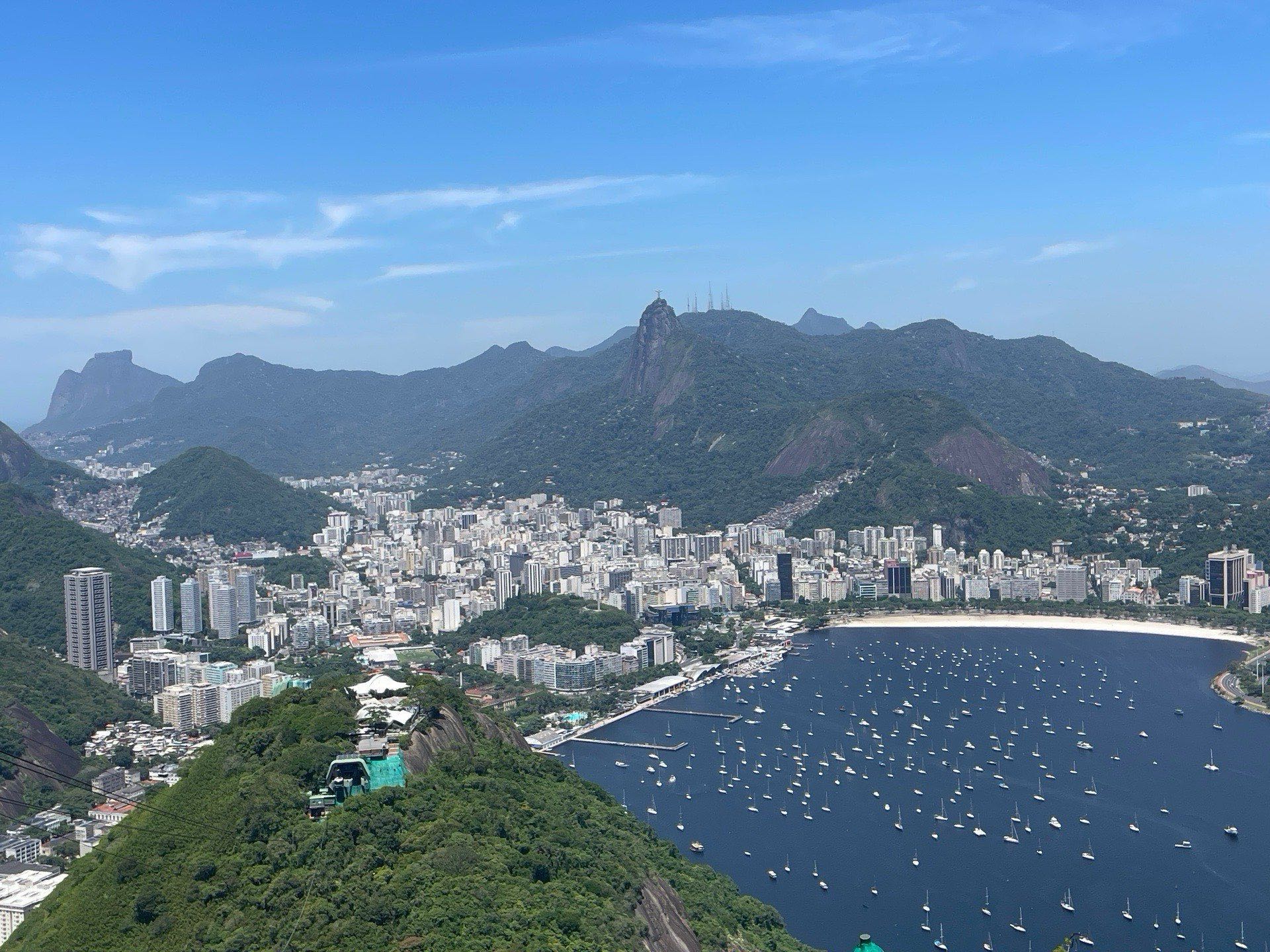
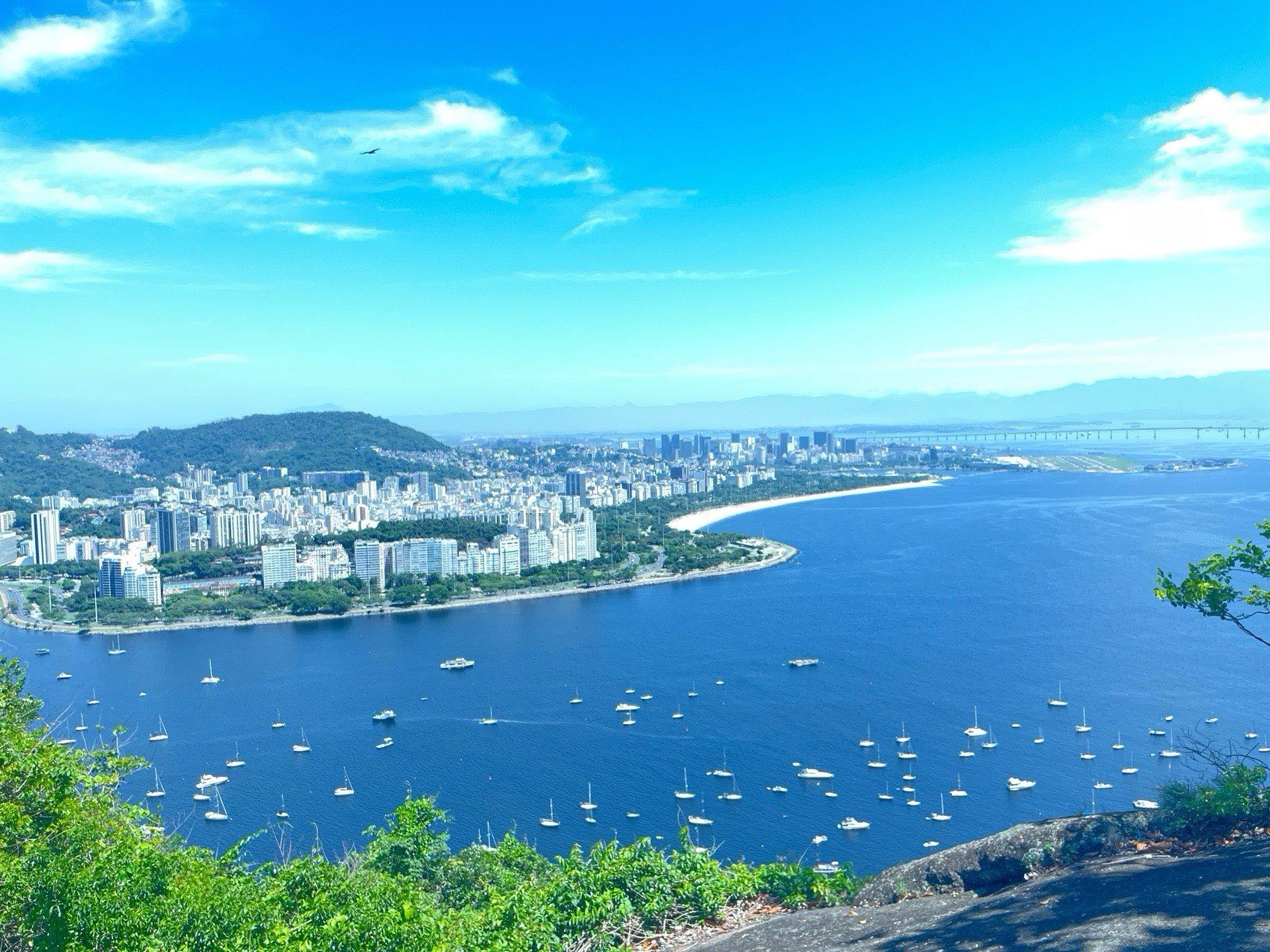
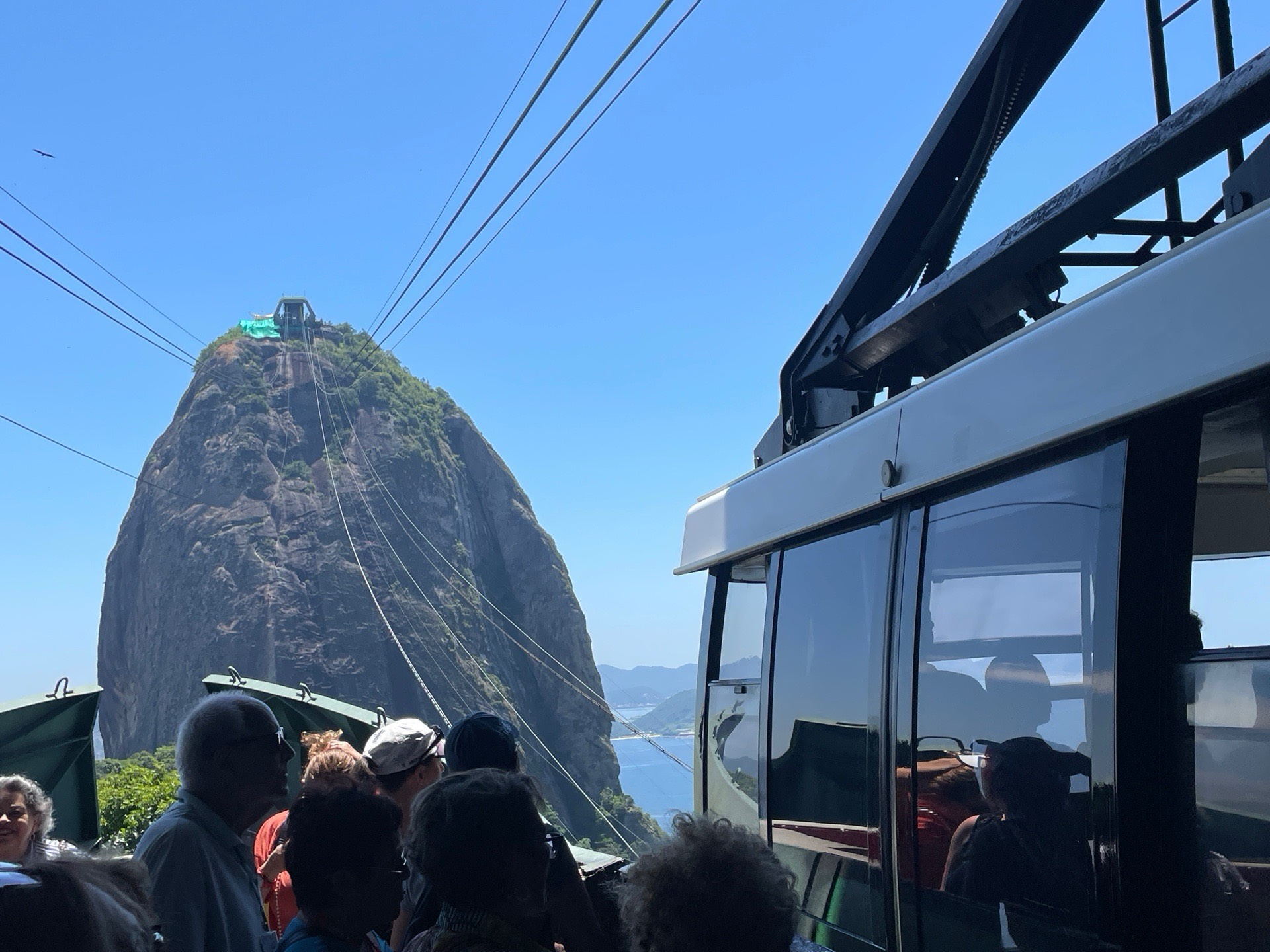
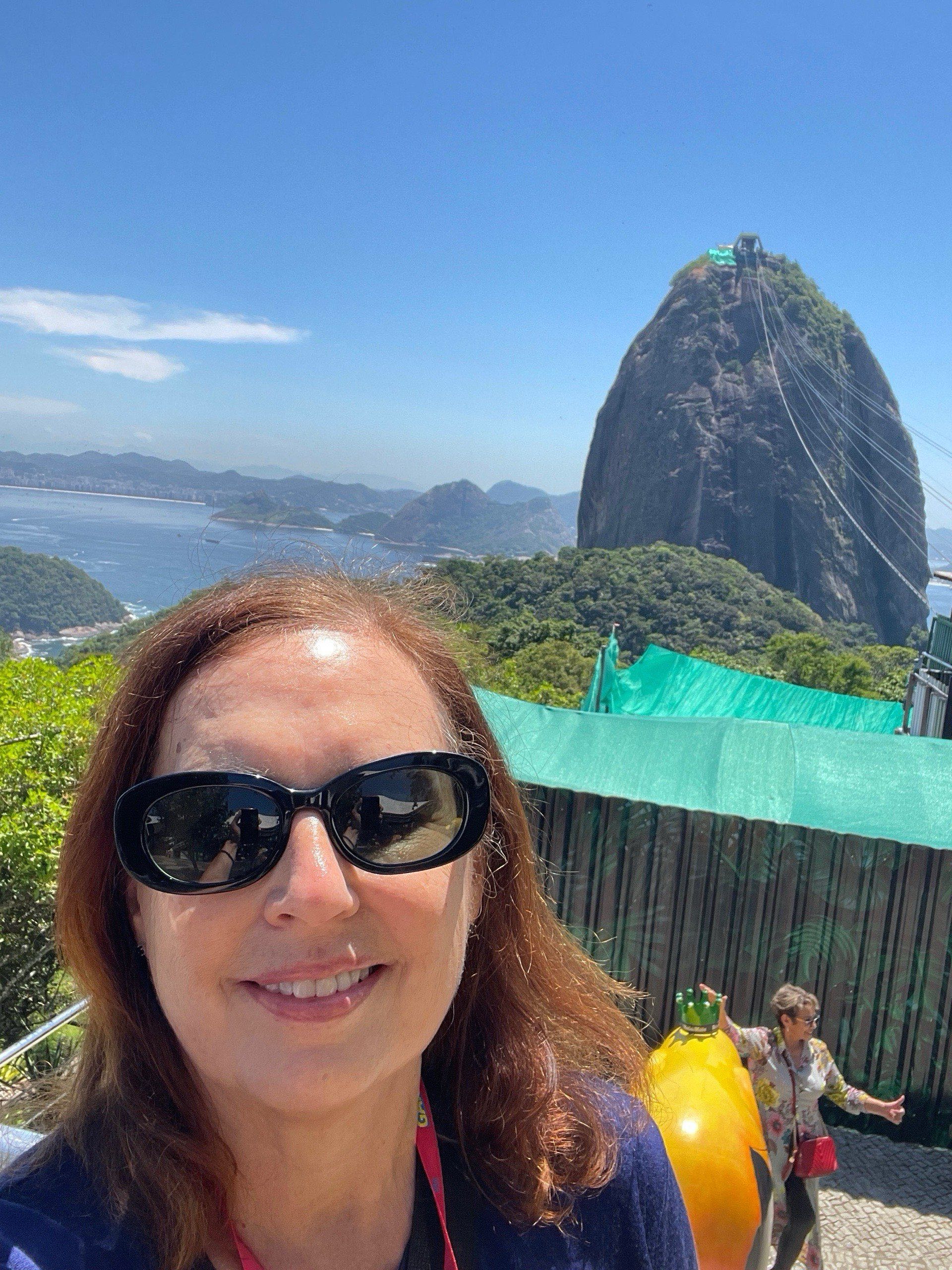
Reaching Sugarloaf Mountain is part of the experience. The journey involves two cable-car rides: the first travels from Praia Vermelha to Morro da Urca, and the second continues to the summit of Sugarloaf. It is probably Rio’s second most famous attraction after Christ the Redeemer.

From the top, the views are jaw-dropping.  Rio’s unusual combination of ocean, beaches, granite peaks, and dense urban neighborhoods makes the panorama unlike that of any other city I have visited.

Sugarloaf Mountain

Sugarloaf MountainSugarloaf Mountain

Seralon Steps

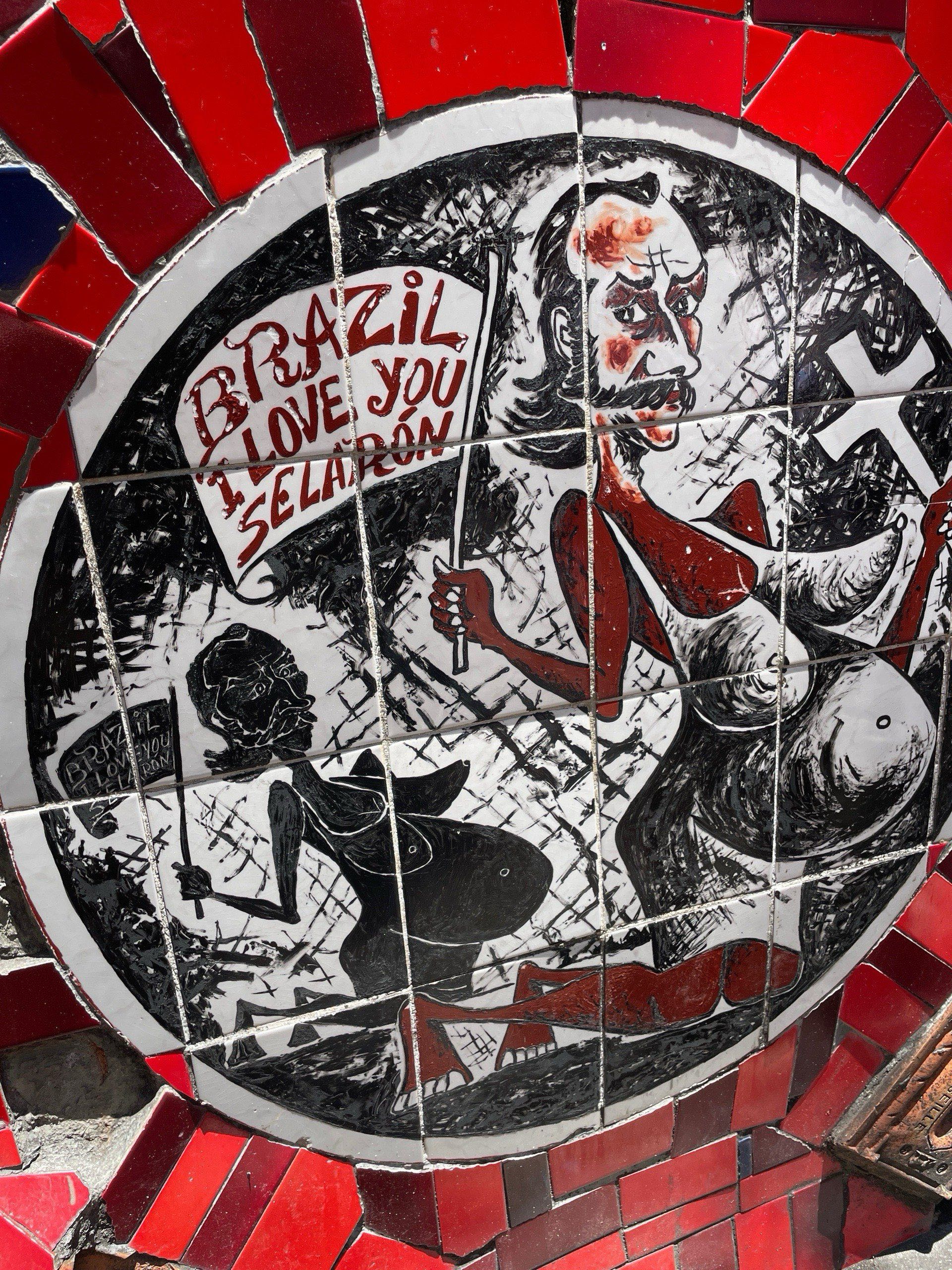
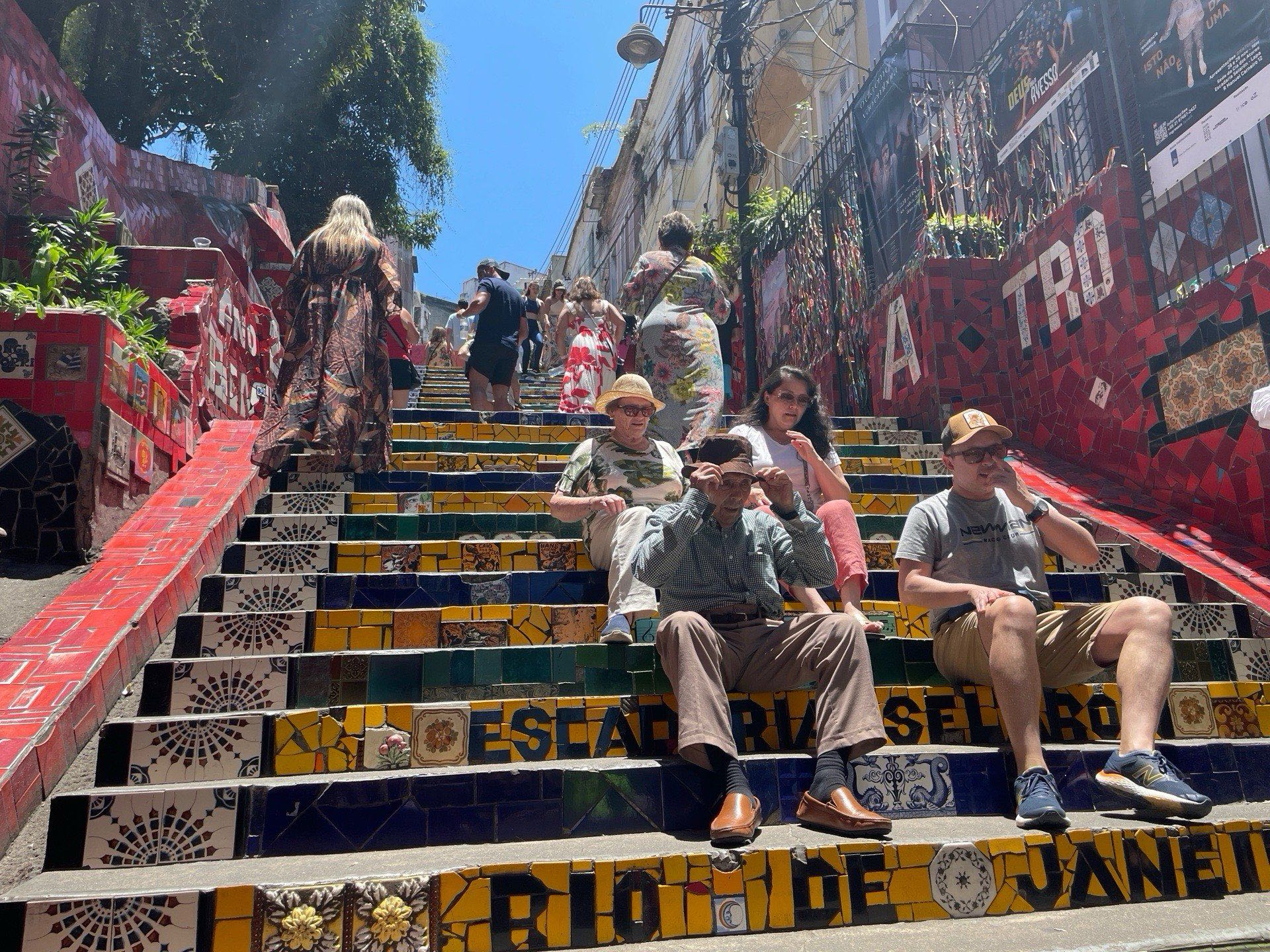
We continued downtown to the Seralon Steps, decorated by Chilean artist, Jorge Selarón, who transformed the steps into a public work of art.  More than 200 steps are covered with brightly colored tiles collected from countries around the world.

TIP: The immediate area was packed with tourists and difficult to navigate. Several local “entrepreneurs” were being paid to photograph visitors posing on the stairs.  If you accidentally walked into one of their staged shots, you quickly heard about it. So enjoy the artwork, but stay aware of where you step!

  Seralon Staircase

Afterwards, we had a quick lunch at a local restaurant around the corner from the hotel, and afterward took a taxi to Jardim Botanico for a short visit. 

Jardim Botanico

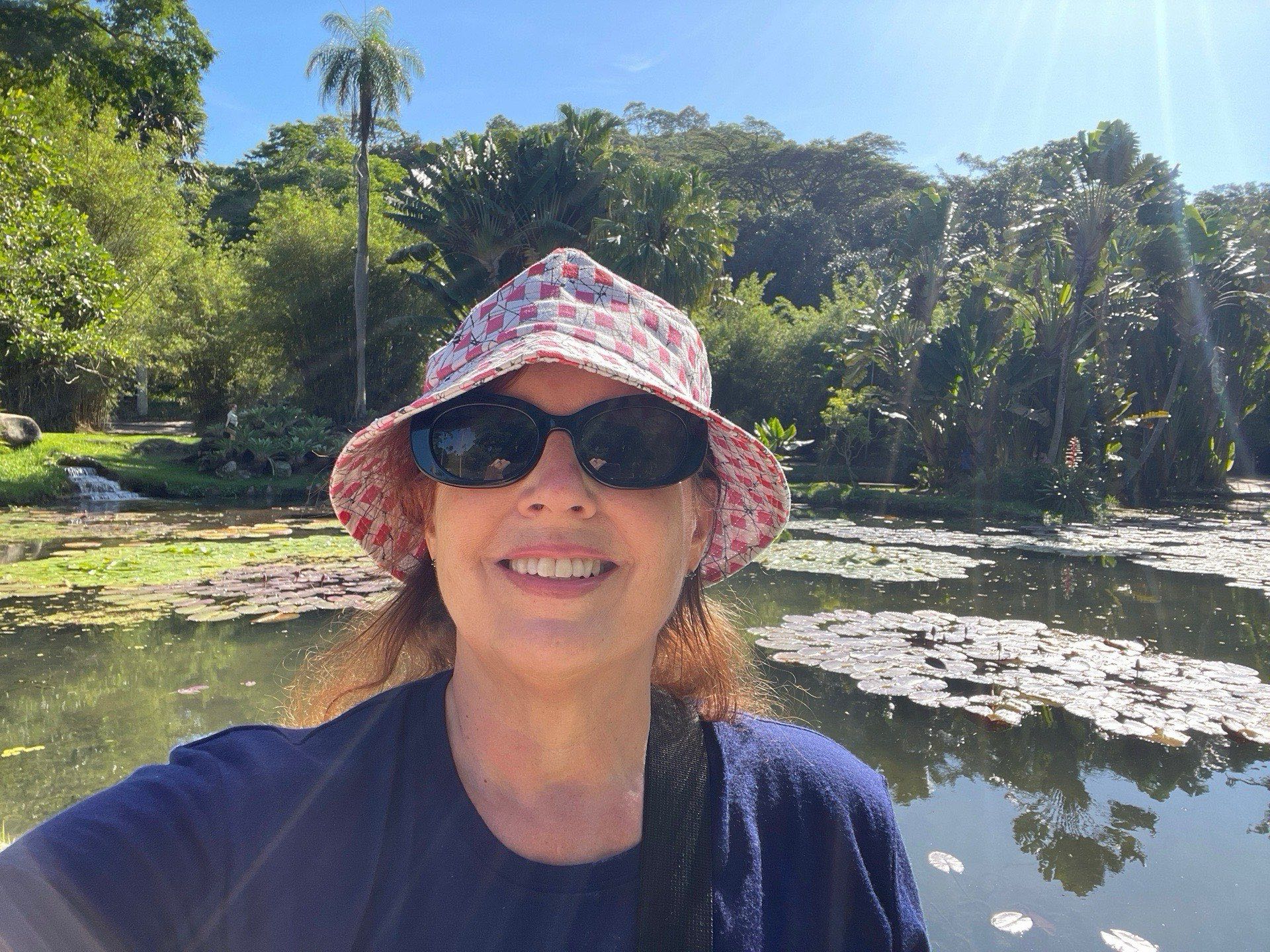
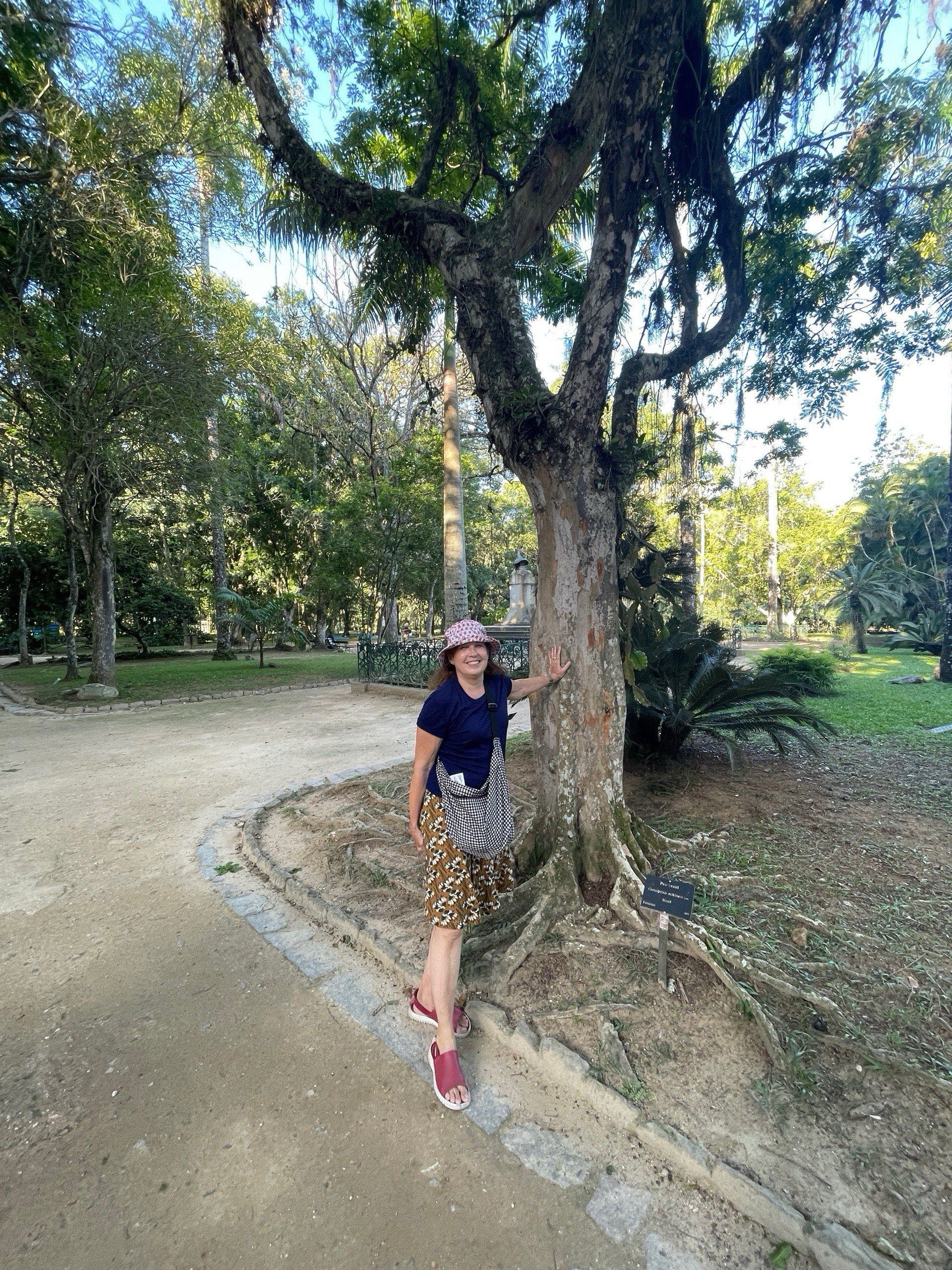
Rio de Janeiro’s Jardim Botânico is a peaceful escape containing thousands of tropical and subtropical plant species from Brazil and around the world. Visitors may encounter orchids, giant water lilies, monkeys, and colorful birds while exploring the shaded pathways.

TIP: As it was getting late, we didn't see the full garden. We discovered that there was a trolley to pick up passengers at certain stops along the route, so you don't need to do all that walking unless you want to. Inquire about this when you purchase tickets. It is not that obvious that this service exists. At least it wasn't to us.

.     Jardim Botanico 

                                                                             Brazilian Red Tree

  adorable kids on a field trip