San Telmo On Sunday
Today, I decided to skip a gaucho excursion featuring an enormous barbecue. After several days of heavy—but delicious—meals, the thought of eating more steak was not particularly appealing. Still, missing the chance to see authentic Argentine cowboys felt like a lost opportunity. Instead, I took the subway to explore San Telmo, a vibrant, bohemian neighborhood known for its outdoor markets.
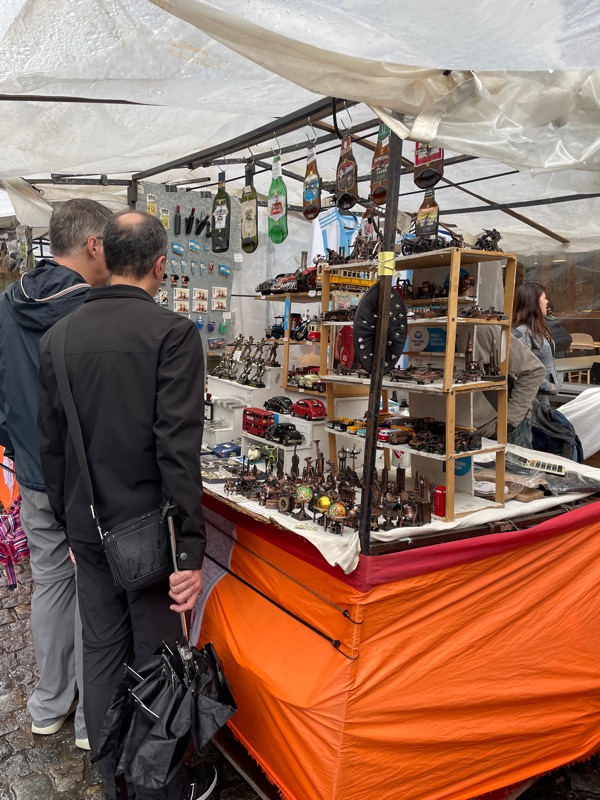
One of the oldest neighborhoods in Buenos Aires, San Telmo is filled with historic architecture, cobblestone streets, antique shops, and lively street scenes. Its famous Sunday market stretches along Calle Defensa, while Plaza Dorrego occasionally comes alive with spontaneous tango performances—if you are lucky enough to catch one.
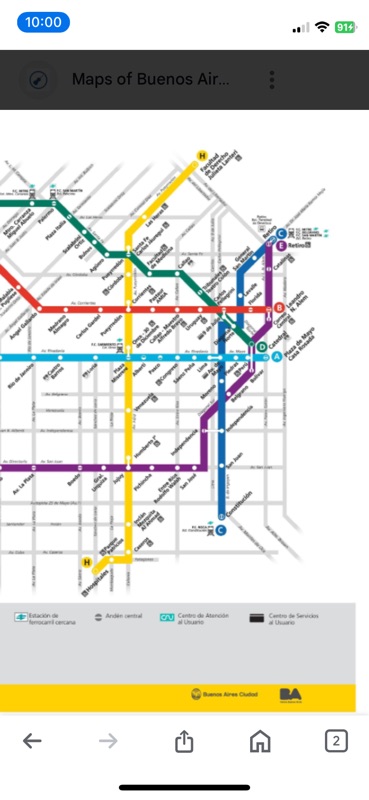
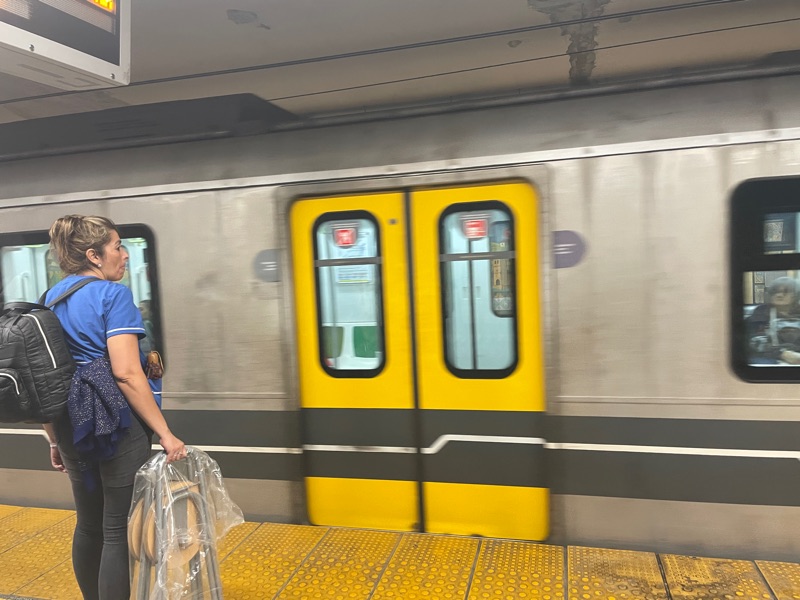
The subway was not too difficult to figure out, but I needed pesos because I could not pay with a credit card. I exchanged about $10 at a local cambio offering the unofficial “blue rate,” which was supposedly better than the official exchange rate. The transaction seemed a little shady, but since I was exchanging such a small amount, I decided not to worry about it. I also found the subway cleaner—and seemingly safer—than the one in New York.
Reaching the outdoor market required a fairly long walk from the subway. Because I was unfamiliar with the area, I felt a little uneasy navigating it alone. That is one of the less enjoyable aspects of solo travel. Fortunately, my New Yorker instincts kicked in, and I stayed alert while finding my way.
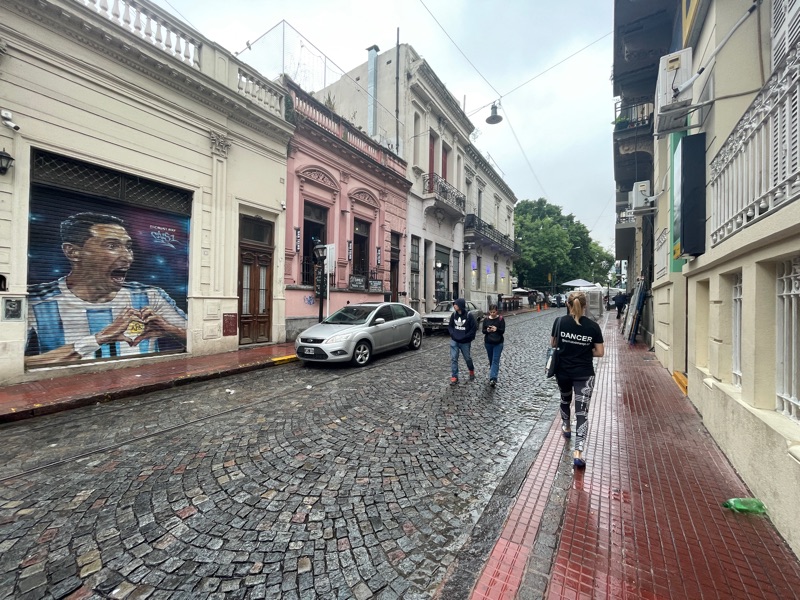
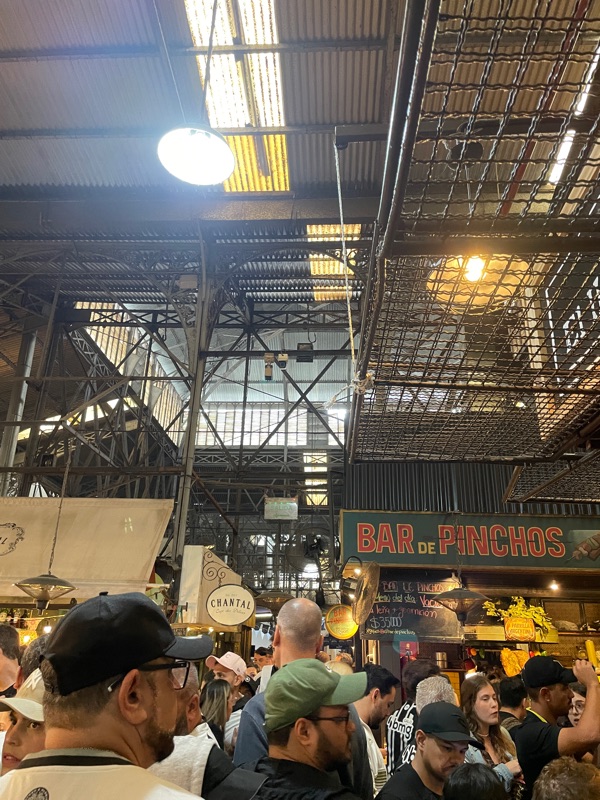
Because it was Sunday, the bars were packed with excited fans watching soccer matches. The atmosphere was lively, but I began to feel claustrophobic and left after a short while.
More my speed were the local shops filled with beautiful handmade Argentine goods, including leather bags, belts, and jackets. Many of the street stalls featured antiques or items that did not particularly interest me. Although San Telmo had a colorful and fascinating atmosphere, I eventually decided to move on to my next destination.
Museo Nacional de Bellas Artes
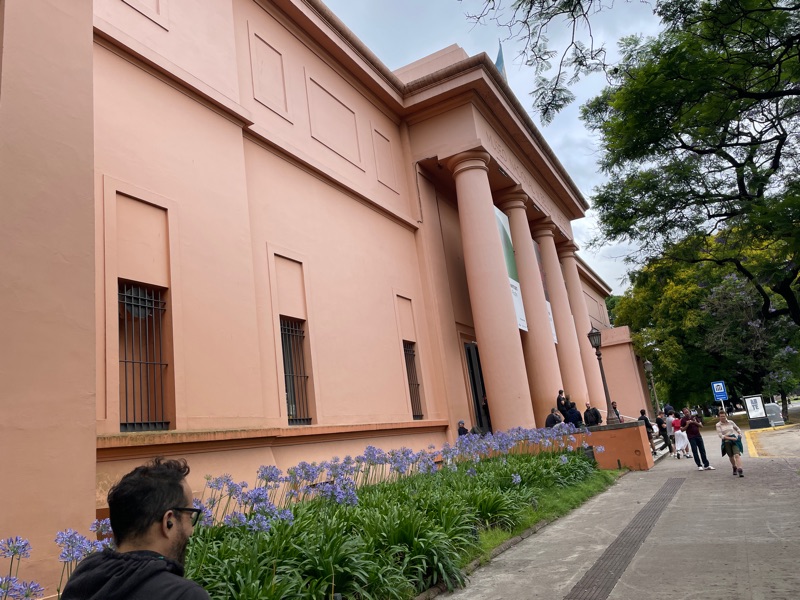
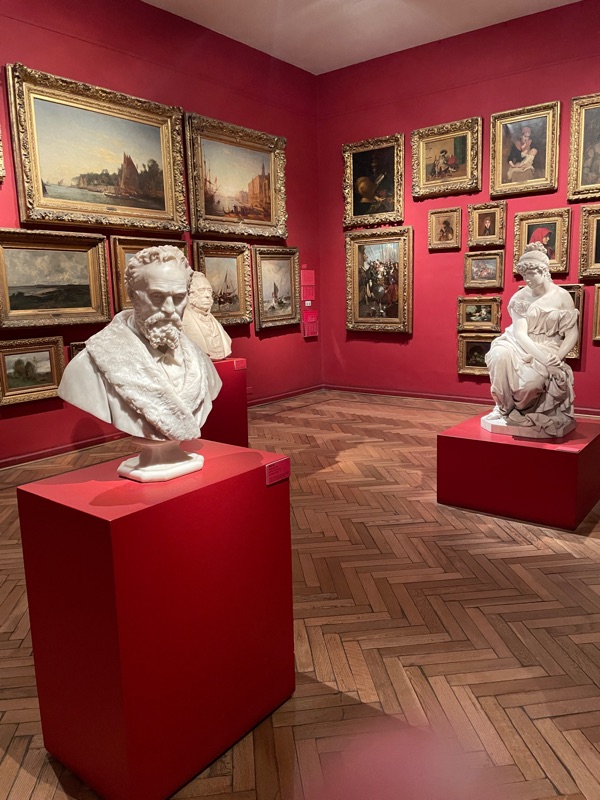
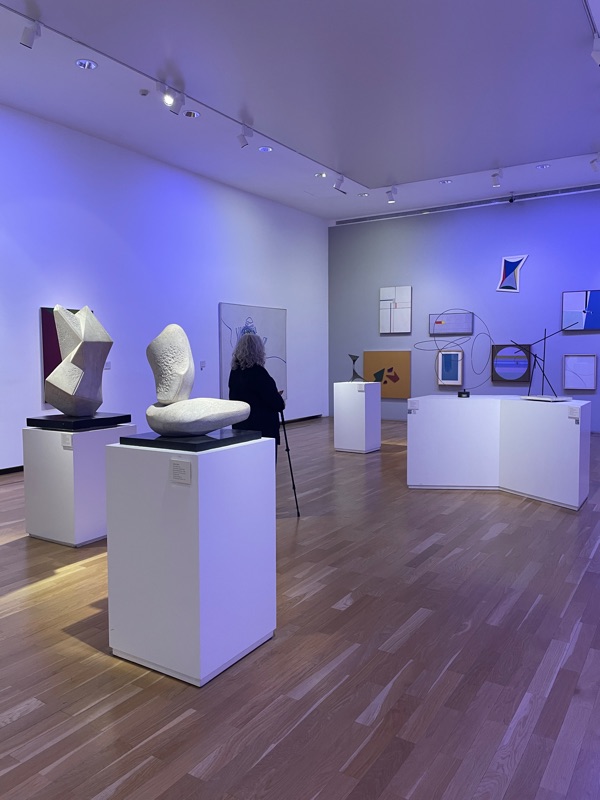
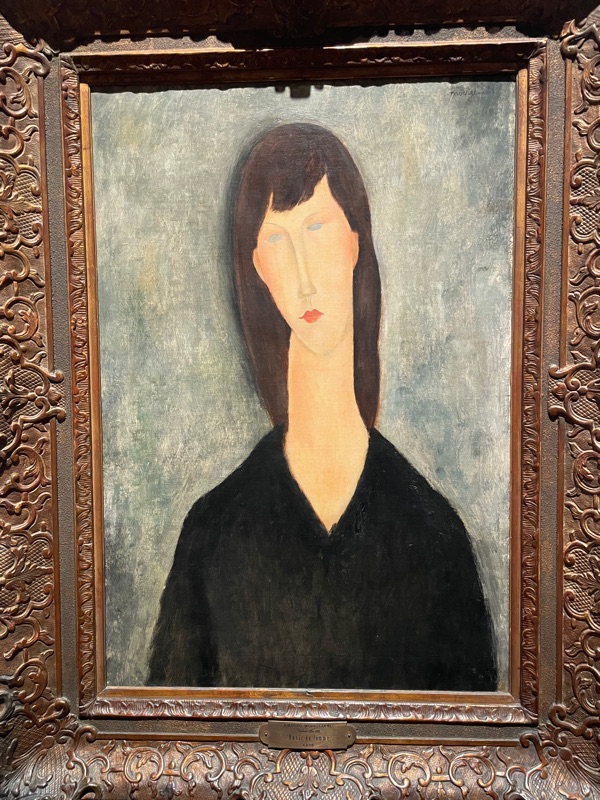
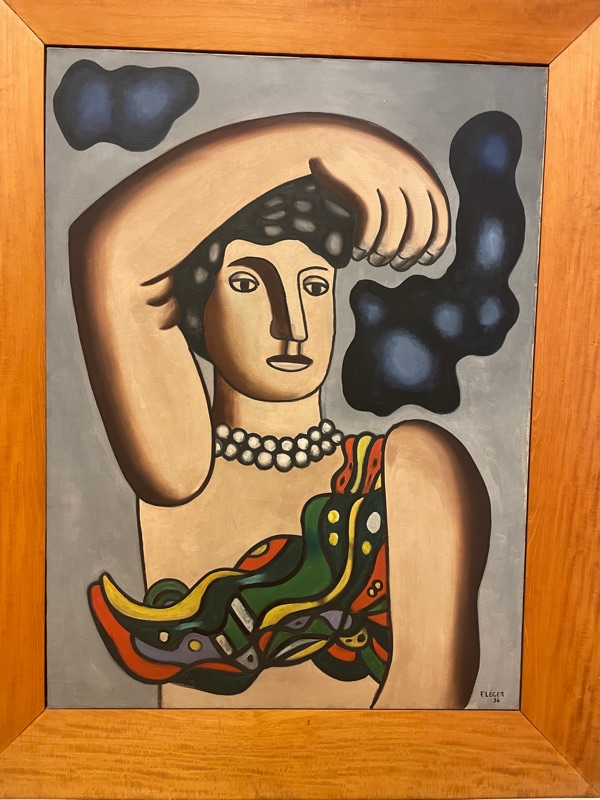
I then headed across town to the elegant Recoleta neighborhood to visit the National Museum of Fine Arts (Museo Nacional de Bellas Artes). Considered Argentina’s leading art museum and one of Latin America’s premier cultural institutions, it houses an impressive collection of Argentine and European art. Among its treasures are works by Rembrandt, Goya, Manet, Van Gogh, and other celebrated masters, with especially interesting modern and Post-Impressionist pieces.
Admission was free, and I simply walked inside—no metal detector or bag inspection required. Apparently, the museum trusted its visitors more than I expected, although plenty of security guards were keeping a watchful eye on the galleries.

My Final Thoughts on Buenos Aires
Buenos Aires surprised me with its elegance, energy and variety. Each neighborhood had its own personality—from the colorful streets of La Boca and the lively Sunday atmosphere in San Telmo to the graceful architecture and wonderful museums of Recoleta. The city felt both distinctly Latin American and somewhat European, but it still had a character all its own.
Like any large city, Buenos Aires requires awareness of your surroundings, but I felt comfortable exploring and found it manageable as an older solo traveler. The food, culture, art and friendly people made my visit especially memorable. I left feeling that I had only scratched the surface—and that Buenos Aires was a city I would gladly visit again.