The Golden Circle Route from Reykjavik: What to Expect on a Golden Circle Tour
On the route, I discovered that most of central Iceland is barren with beautiful geologic features.
Our guide told us that Iceland is the newest of the world’s land masses situated on tectonic plates, which explains the volcanic activity. Lava cools into rock, and moss gradually colonizes its surface, helping soil develop over a very long period. There is not much greenery on this terrain.

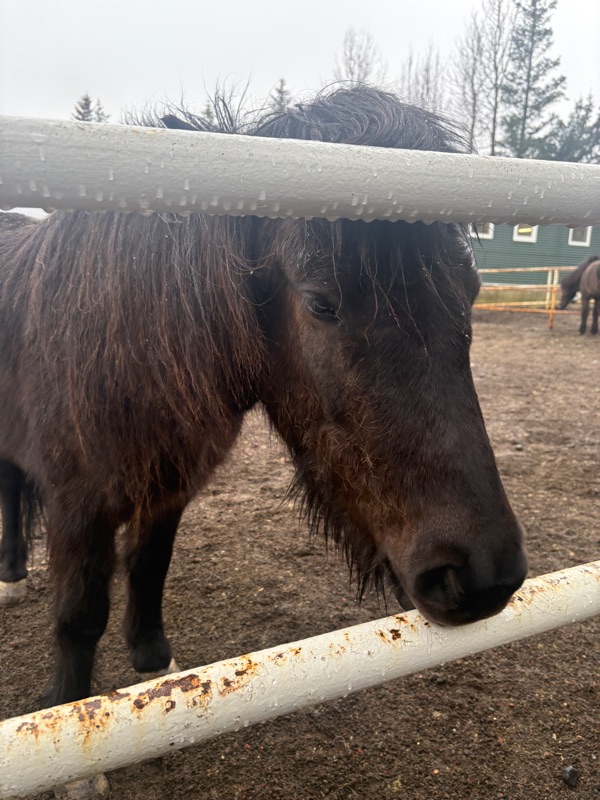
Icelandic Horses and its Geothermal Greenhouses
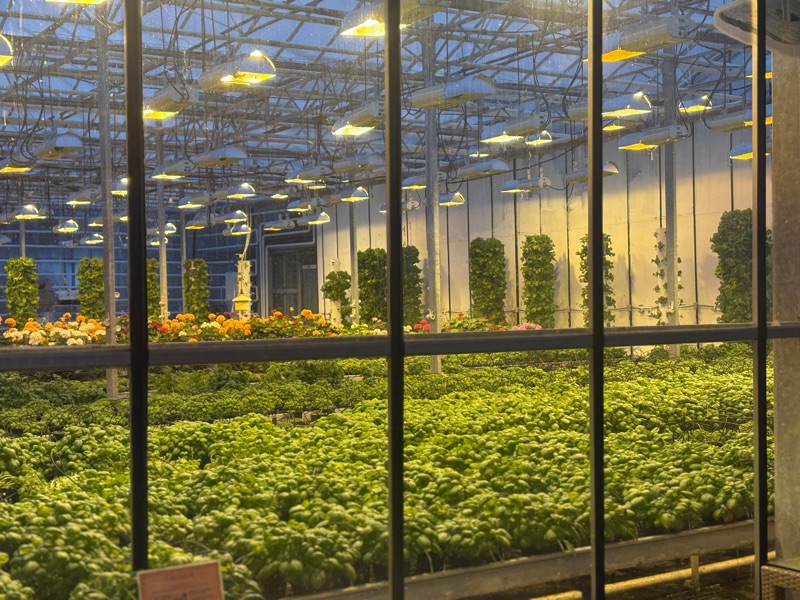
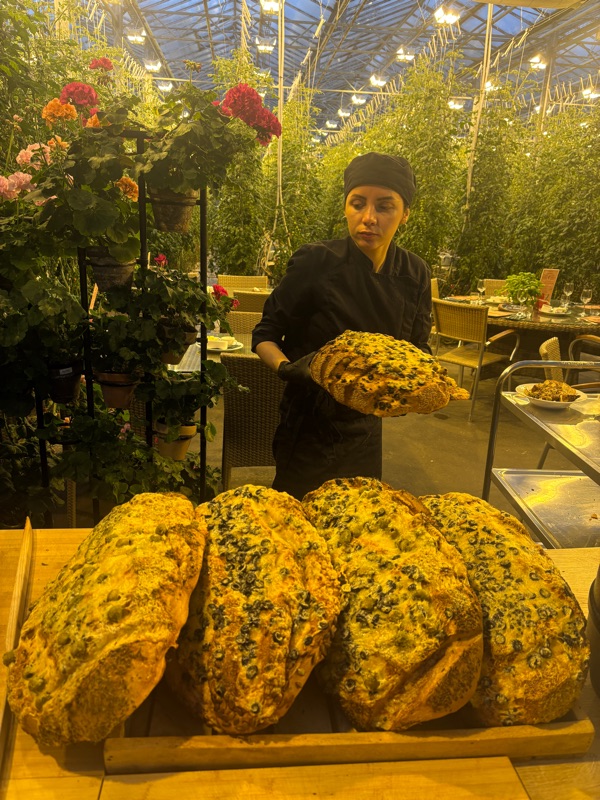
An unexpected stop along the Golden Circle was a greenhouse where tomatoes are grown throughout the year. Iceland uses its abundant geothermal energy to heat greenhouses, while artificial lighting provides the additional light needed during the dark winter months. This use of natural resources allows Icelanders to grow fresh produce despite the cold climate and short growing season. The horses were an additional bonus.
Strokkur Geyser at the Geyser Geothermal Area
Next stop was the Geysir Geothermal Area, filled with bubbling mud pools, steaming vents, and geysers created by Iceland’s intense geothermal activity. Strokkur Geyser sends a powerful column of hot water into the air every few minutes.
TIP: Have your camera ready because you never know exactly when the next eruption will occur.
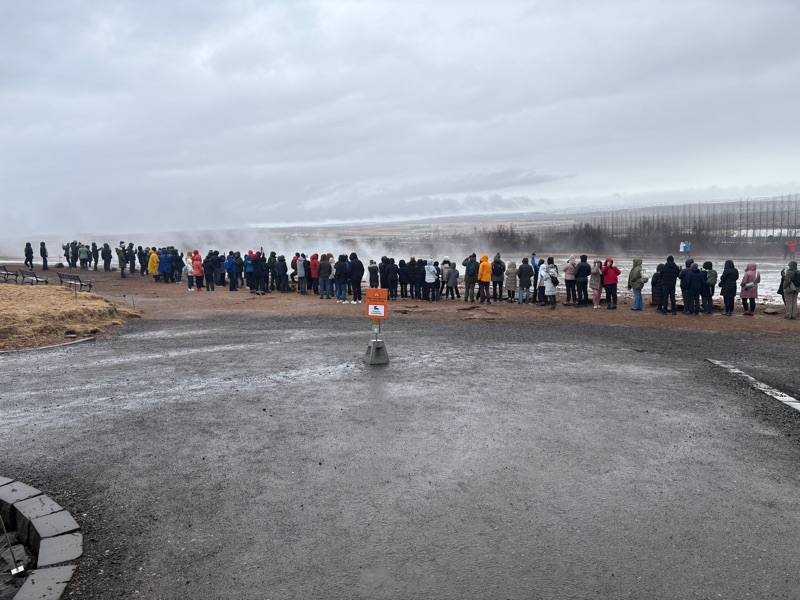
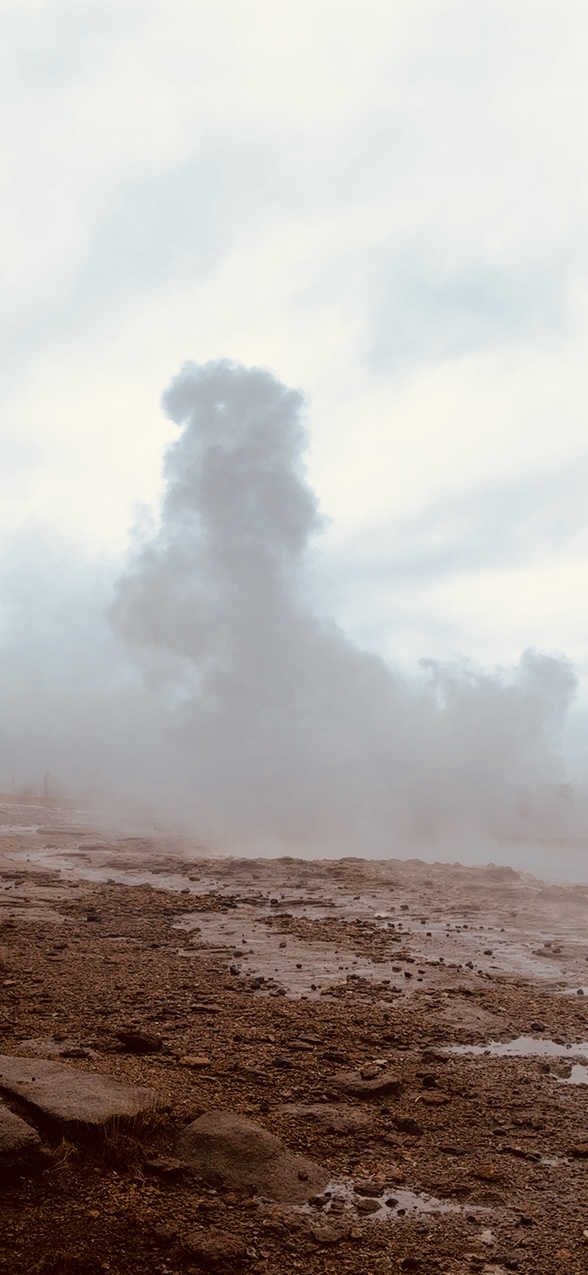 Strokkur geyser erupting on Iceland’s Golden Circle
Following the Geyser, we went to Gullfoss, one of the most spectacular waterfalls in Iceland. Several viewing areas offer different perspectives. The ground can be very slippery.
The combination of rushing water, rugged cliffs, and the vast landscape makes Gullfoss an unforgettable stop on the Golden Circle.
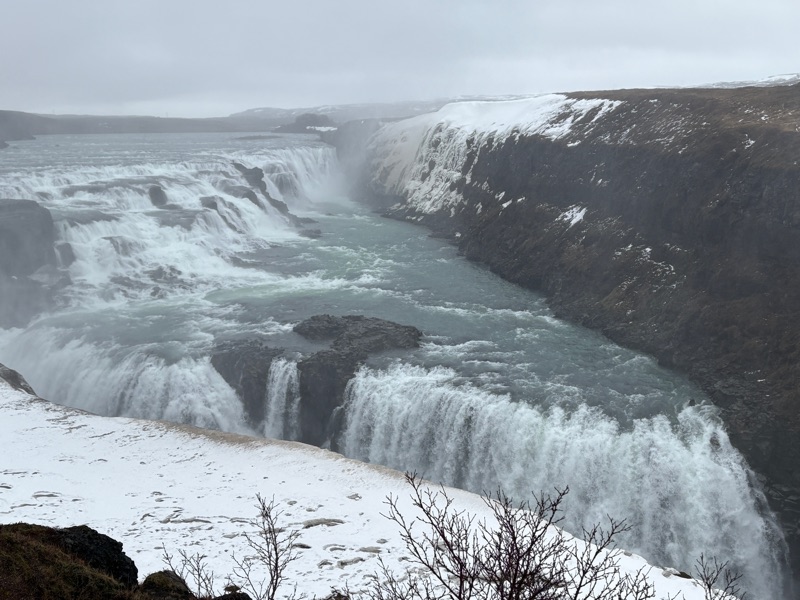
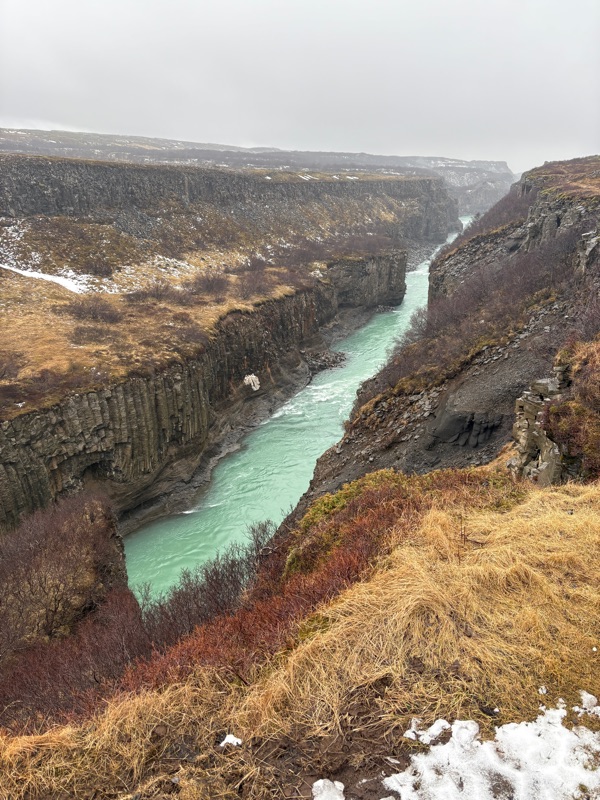 . Gullfoss Waterfall in Iceland during March
Thingvellir National Park is a geological wonder. The park lies along the Mid-Atlantic Ridge, where the North American and Eurasian tectonic plates are gradually moving apart, creating dramatic cliffs and fissures.
Walking through this remarkable landscape gives you a sense of Iceland’s power and beauty.
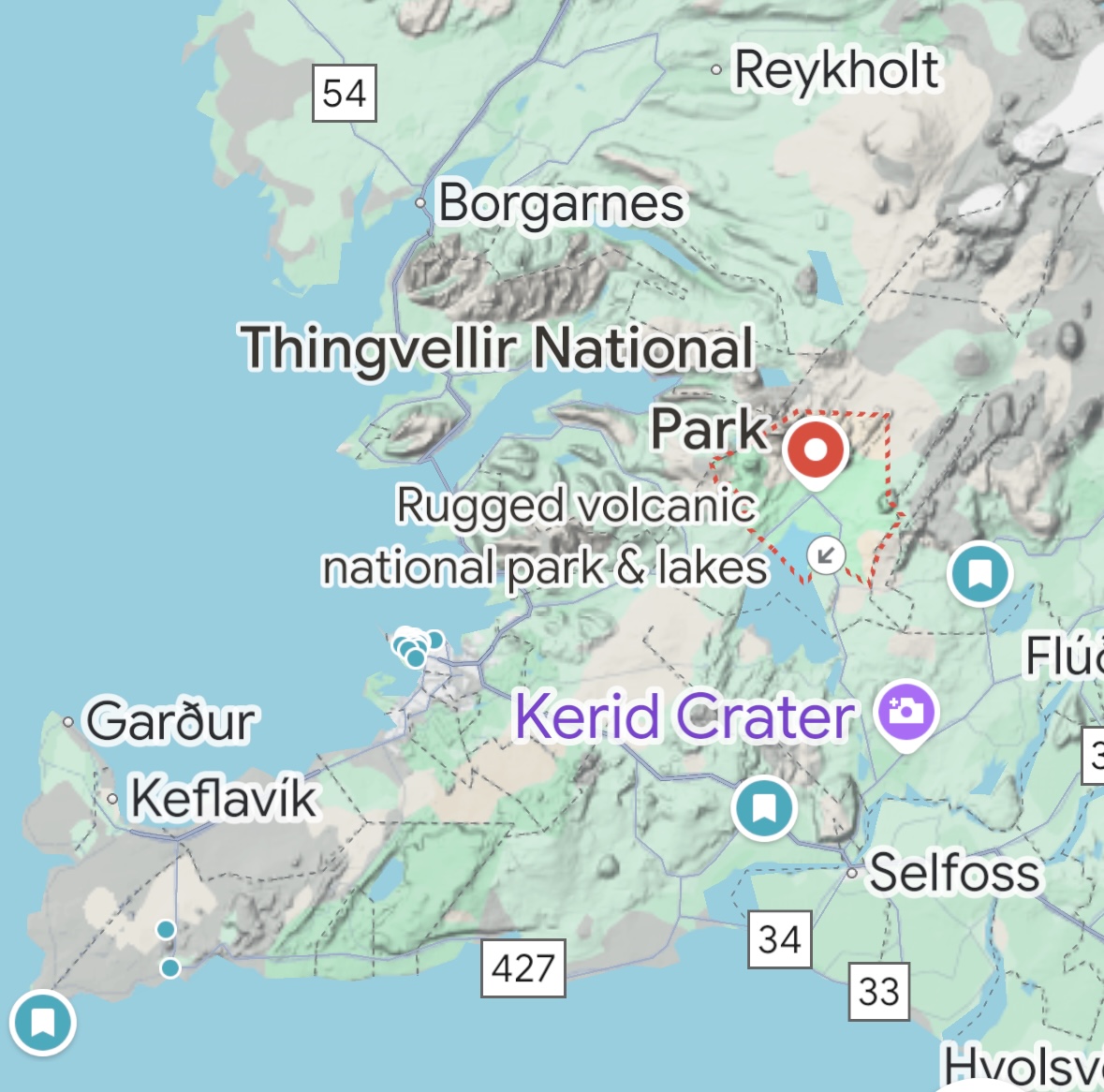
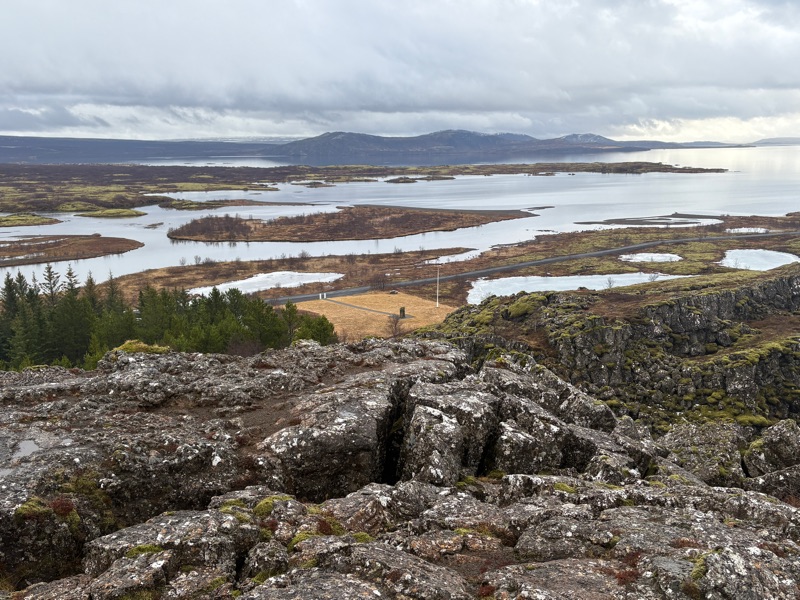
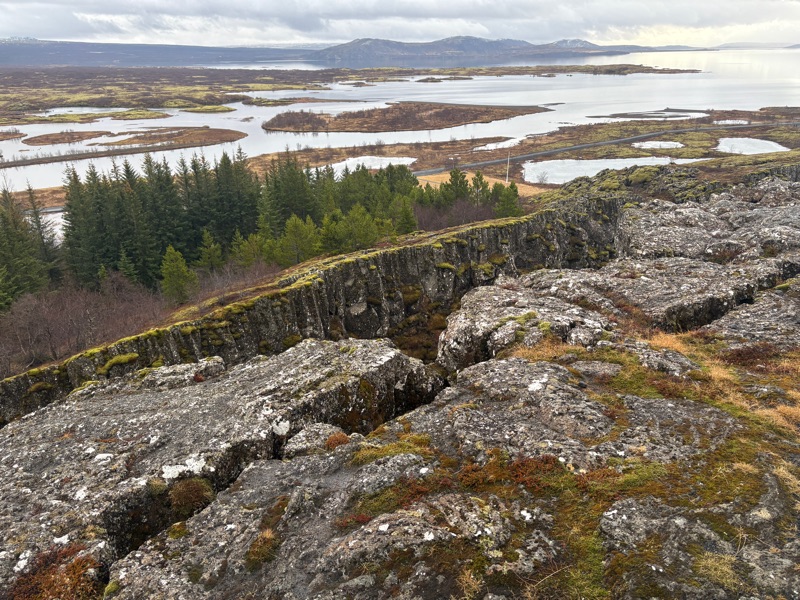 . Tectonic landscape
Chasing the Northern Lights
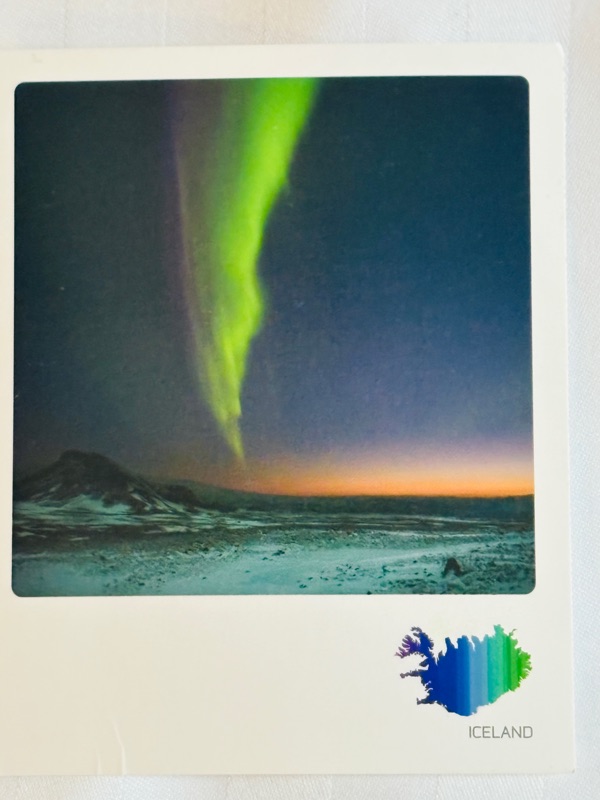
Icelanders respect nature’s powerful forces —volcanoes, glaciers, geysers, earthquakes, but the Northern Lights hold a special place in their hearts.
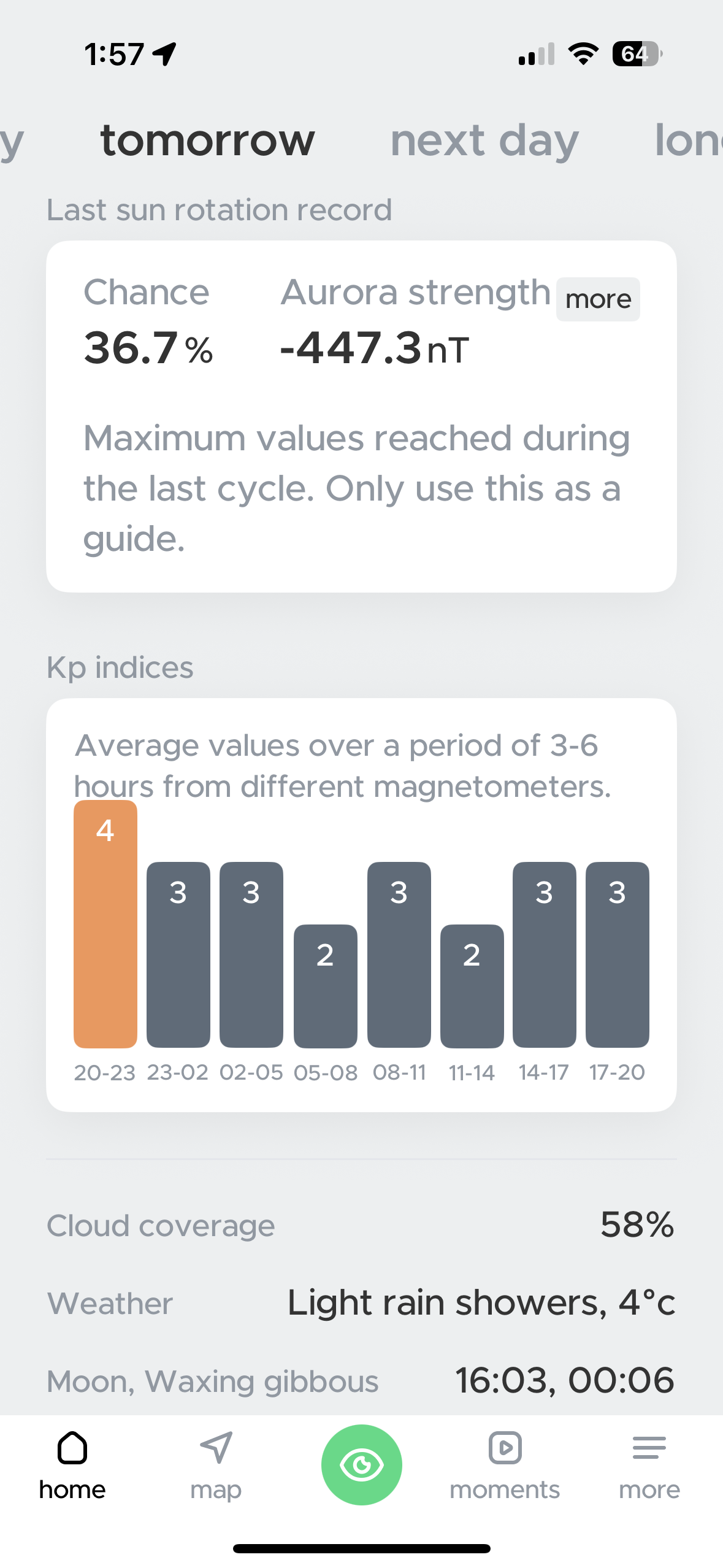 “
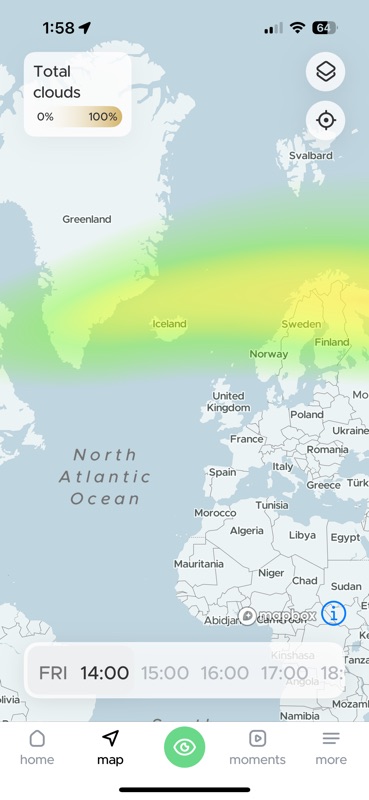
“Seeing the Northern Lights requires a combination of darkness, clear skies, solar activity, and plenty of luck. Our guide drove us about 45 minutes outside Reykjavik to escape the city lights, but the clouds refused to cooperate. We waited in the darkness for about an hour, watching an aurora app that placed our chances at only 28 percent.
We never saw the lights, but standing on a remote Icelandic lava field beneath the night sky was still a memorable experience for a girl from Brooklyn.
Was the Tour Worthwhile?
Even without seeing the Northern Lights, the tour was absolutely worthwhile.
The Golden Circle’s geysers, waterfalls, and dramatic landscapes provided an unforgettable introduction to Iceland’s natural beauty. The elusive aurora simply gave me a good reason to return someday and try again.
Continue reading about the rest of my Iceland adventure:
- Solo Trip to Iceland: Planning and Exploring Reykjavik
Iceland’s South Coast: waterfalls, glaciers, and black-sand beache
Reykjavík, Sky Lagoon and Blue Lagoon: My Final Days in Iceland