It has been some time since my last blog post, and I’m excited to begin a new adventure in Greece—visiting archaeological sites, connecting with ancient civilizations, and temporarily ignoring the current state of the world.
This week, the U.S. government is shut down, and some air traffic controllers are calling out sick. I’m keeping my fingers crossed that there will be no flight delays—or, worse, cancellations. Naturally, I am obsessively checking the airline for updates. The president is also threatening additional government layoffs, so I imagine it will be a difficult week for many people.
This will be my second trip to Greece. I first visited 10 years ago with my favorite travel companion—my daughter—during the country’s financial crisis, when long lines formed at ATMs. This time, I will be traveling on my own and exploring new territory on the Peloponnese and Crete.
I have a passion for antiquities, so I am especially looking forward to visiting Athens, Olympia, Delphi, and Crete. The Greek food will be an added bonus. I can’t wait for the souvlaki and moussaka!
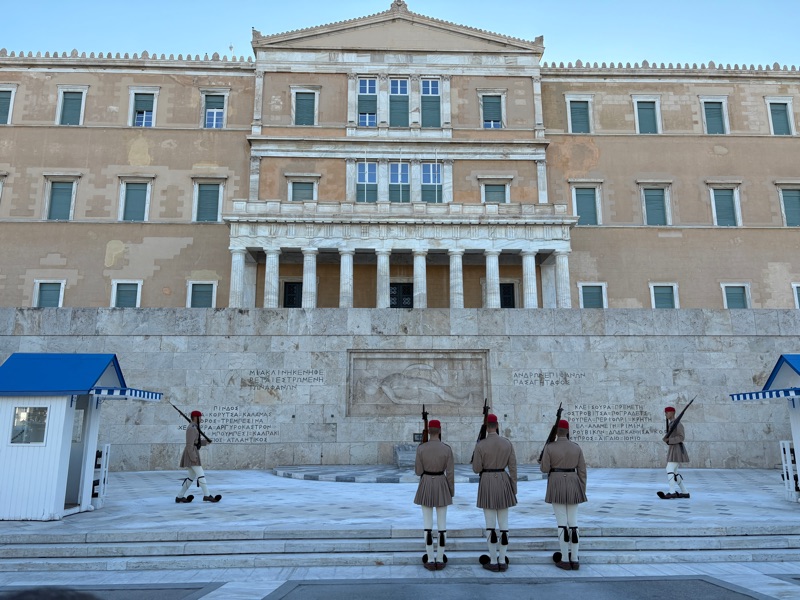
To my relief, the flight went according to plan. Nine hours later, I arrived in Athens, where passport control was quick and easy. The metro station was just a short walk from the airport terminal, and despite the crowded train, the journey into the city went smoothly. The Blue Line took me directly to Syntagma Square, or “Constitution Square,” home to the Greek Parliament and the changing of the guard.
Speaking of crowded trains, I noticed that the zipper on my backpack was partially open. Had I interrupted a potential pickpocket? Fortunately, nothing was missing, but this was not the first time someone may have tried to get into my belongings on a train from an airport. Pickpockets are experts at creating distractions and taking advantage of crowded spaces.
TIP: Since then, I have purchased small zipper locks for added security.
After a quick transfer to the Red Line and two more stops, I arrived at Syngrou-Fix station. Following a brief cappuccino break, I reached my hotel about 75 minutes after leaving the airport. Fortunately, I was able to check in early, and a hot shower felt wonderful after the long flight.
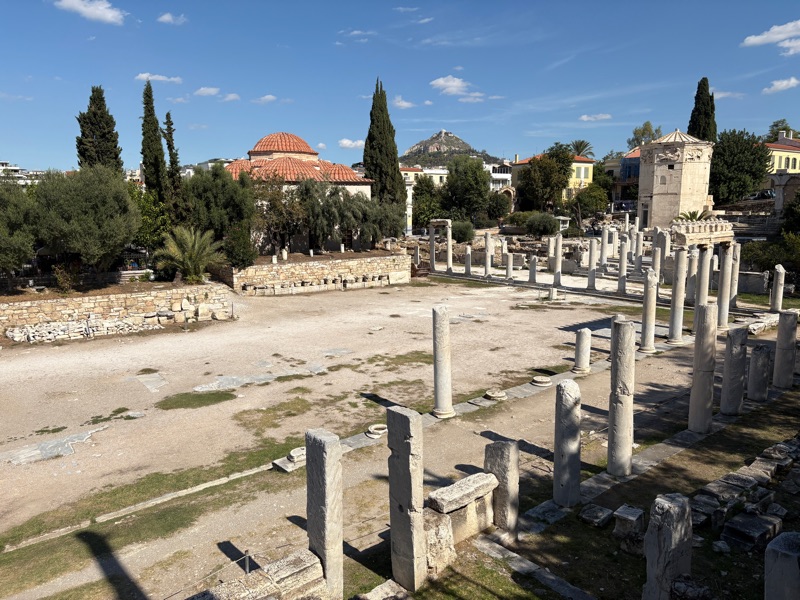
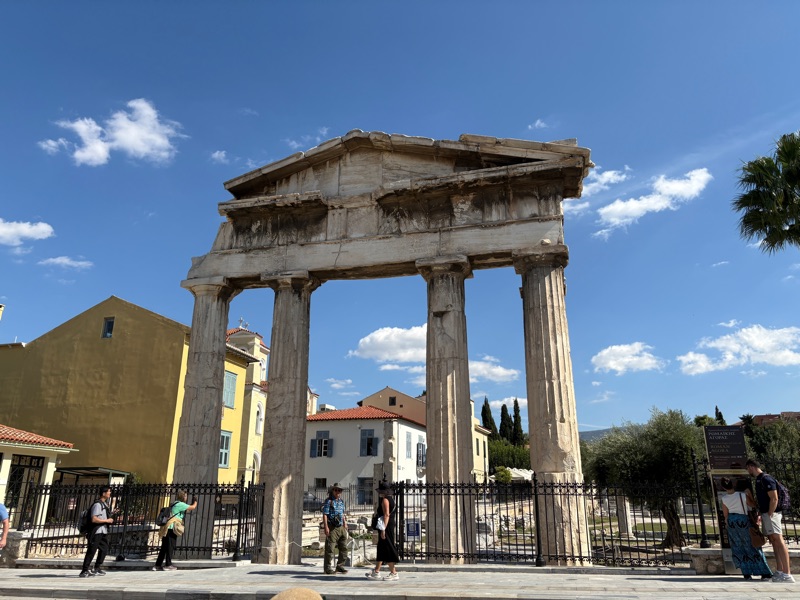
The Plaka—a lively neighborhood filled with restaurants and souvenir shops—is only a 10-minute walk from the hotel and sits just below the Acropolis. I couldn’t have asked for a better location. Since I wasn’t feeling jet-lagged, I headed out to explore the Plaka and wandered over to the Roman Agora for my first look at ancient Athens. What a wonderful way to begin the trip!
After purchasing a few small ceramic souvenirs (my weakness), I headed back to the hotel for dinner and to meet up with my travel group.
The Parthenon in the distance on the hill
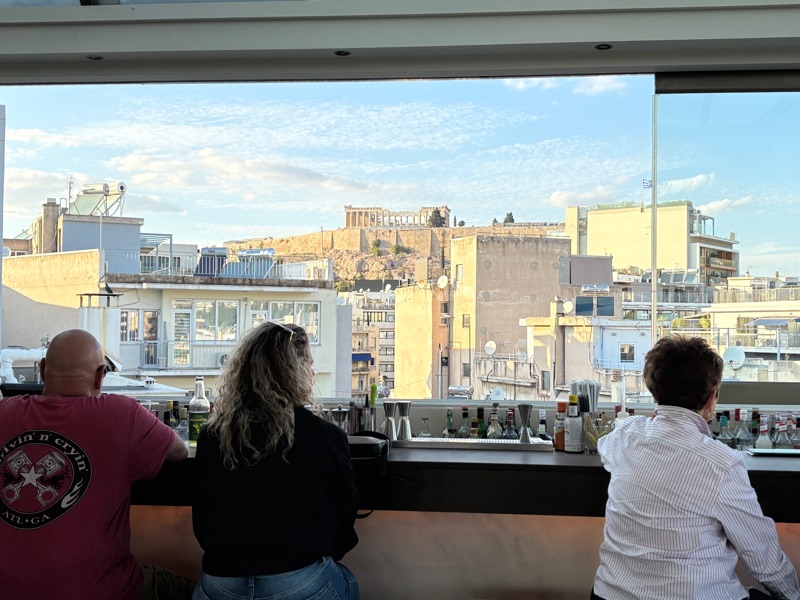
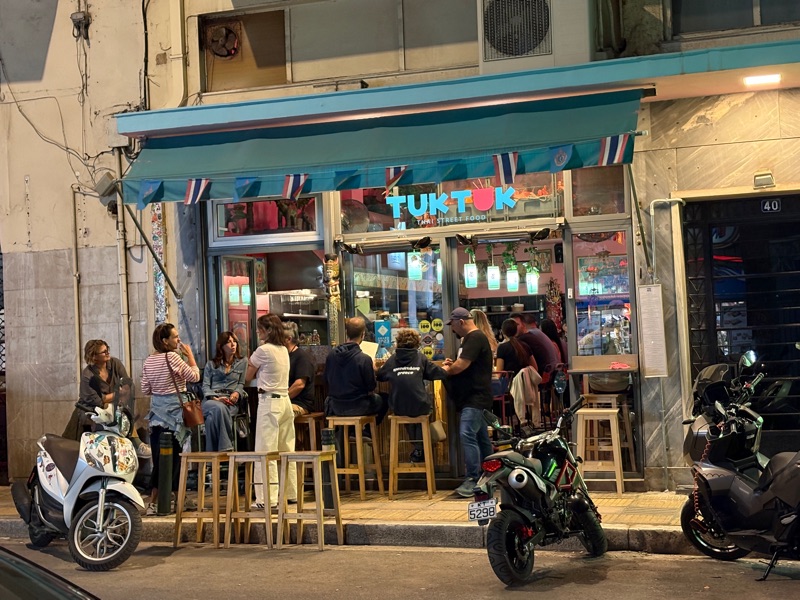
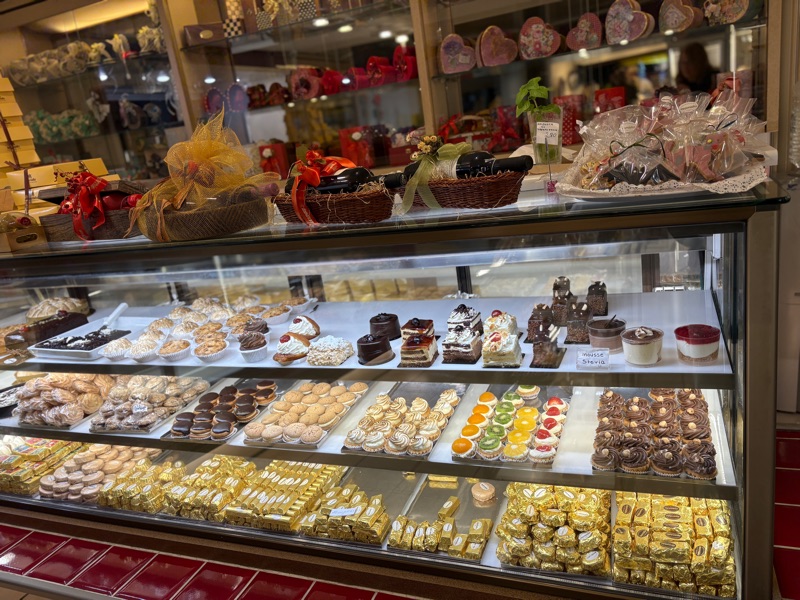
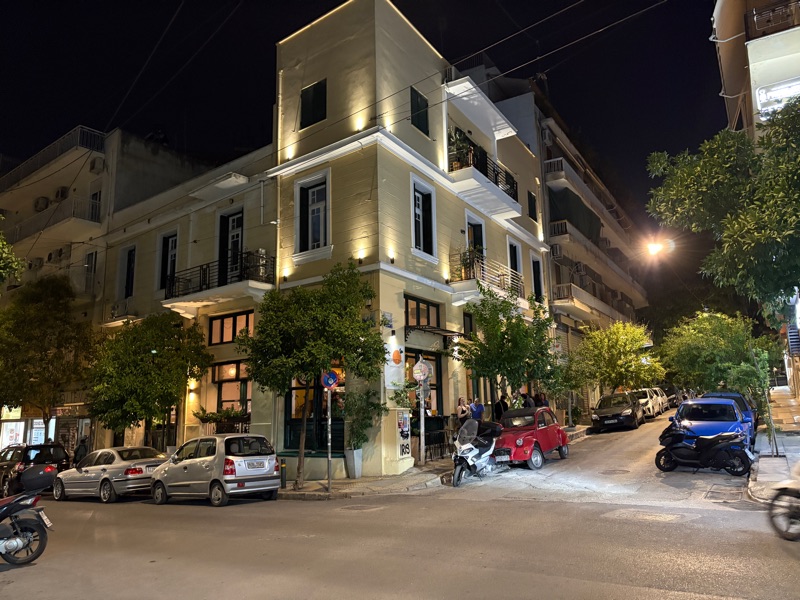
I made a couple of new travel friends, received information on the schedule, and then decided to get gelato and go for an evening walk. This area of Athens is very pleasant with a chill vibe. I don’t remember it being this nice years ago. There have been lots of upgrades, particularly with the restaurants and shops.
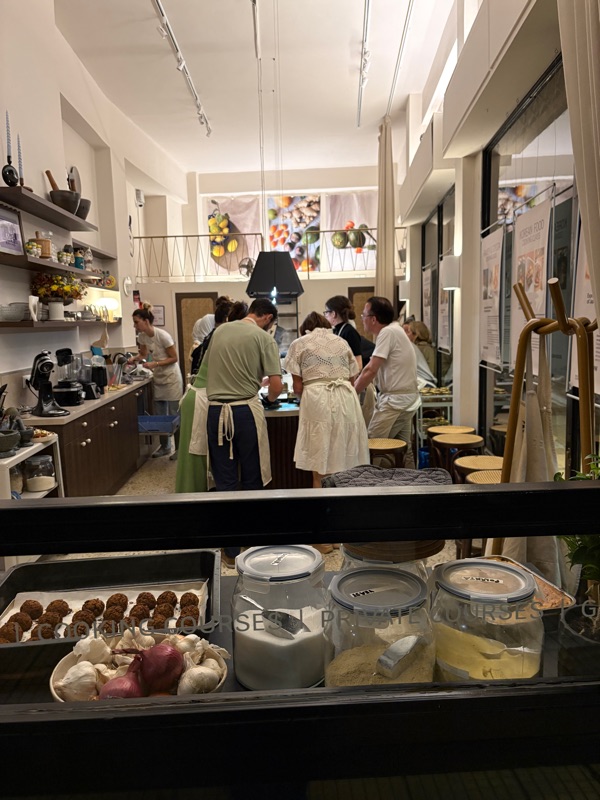
Vegan cooking class
 .
.  .
. 
ACROPOLIS MUSEUM, ATHENS
The following morning, we headed to the stunning Acropolis Museum, which houses an extraordinary collection of antiquities. Tickets cost 20 euros and can be purchased in advance.
The museum was built above the remains of an ancient Athenian neighborhood, which visitors can view through sections of glass flooring. Our guide explained that new construction in Athens can be challenging because archaeological sites are protected—and so much remains to be discovered beneath the modern city.
Judging by the sheer number of visitors, the museum is clearly experiencing overtourism. I had expected the crowds to thin out after summer, but that was definitely not the case.
Our guide, a lovely and knowledgeable graduate of the University of Athens, spoke passionately about the sculptures removed from the Parthenon by Lord Elgin and now held by the British Museum. I wholeheartedly support returning them to their rightful home in Greece. Perhaps one day, a unified international outcry of “Bring them home!” will finally make that happen.
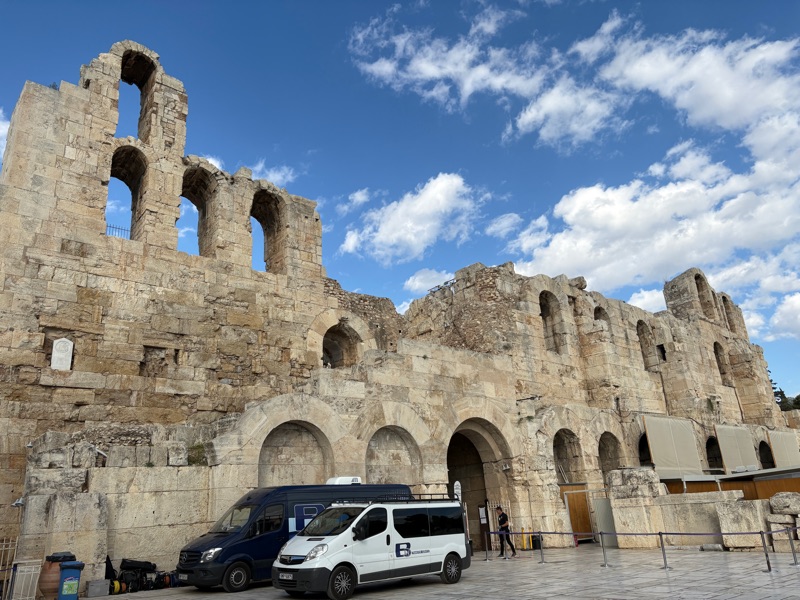
Having visited the Parthenon during my first trip to Greece, I skipped that outing and instead headed to the magnificent Odeon of Herodes Atticus Amphitheater, an ancient theater that has hosted performances and concerts by artists from around the world. Unfortunately, none were scheduled during my visit. I had to settle for the scent of jasmine in the air and the sight of olive trees draping the landscape—not a bad consolation at all.
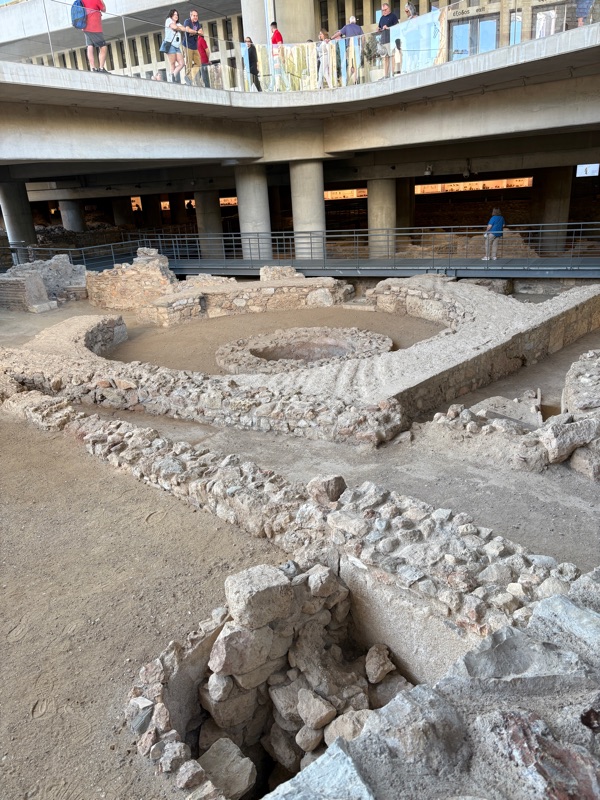
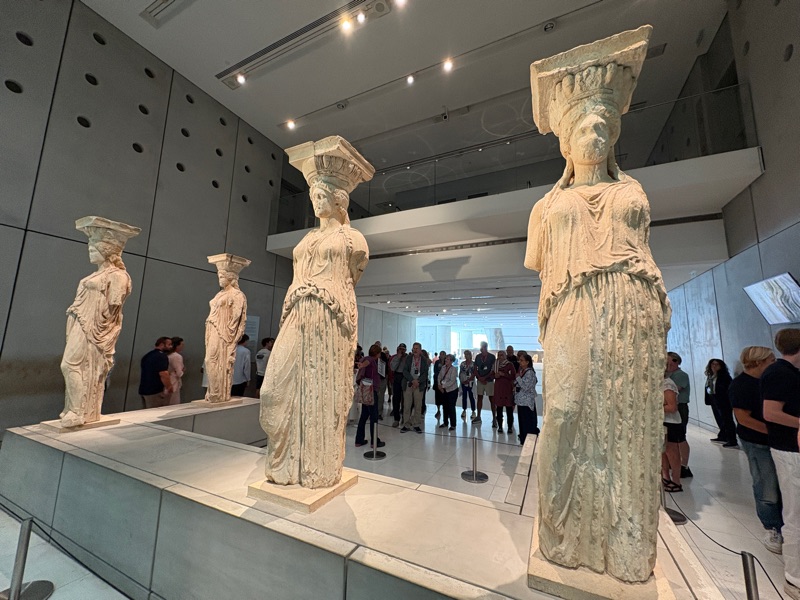
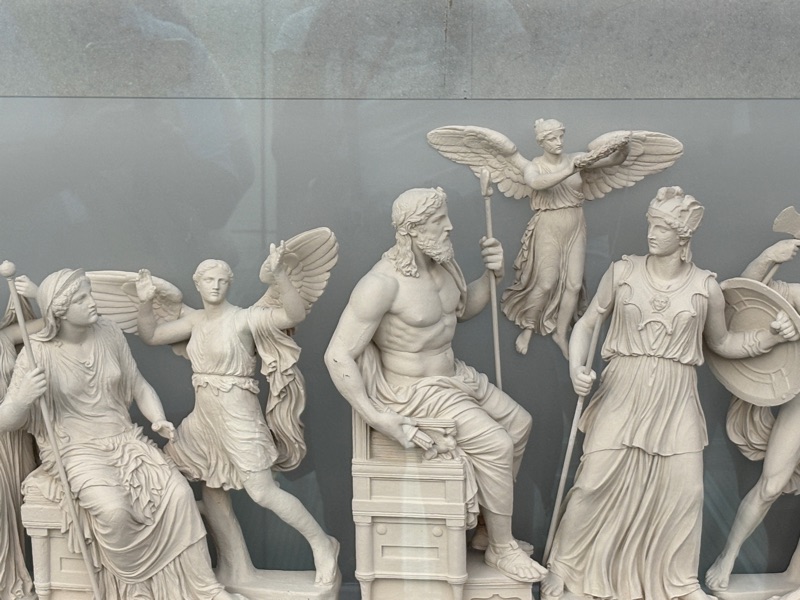
The original sculptures and carvings from the Parthenon, plus some artifacts from the Temple of Athena (which pre-dated the Parthenon!) are beautifully displayed throughout the museum which is only 16 years old.
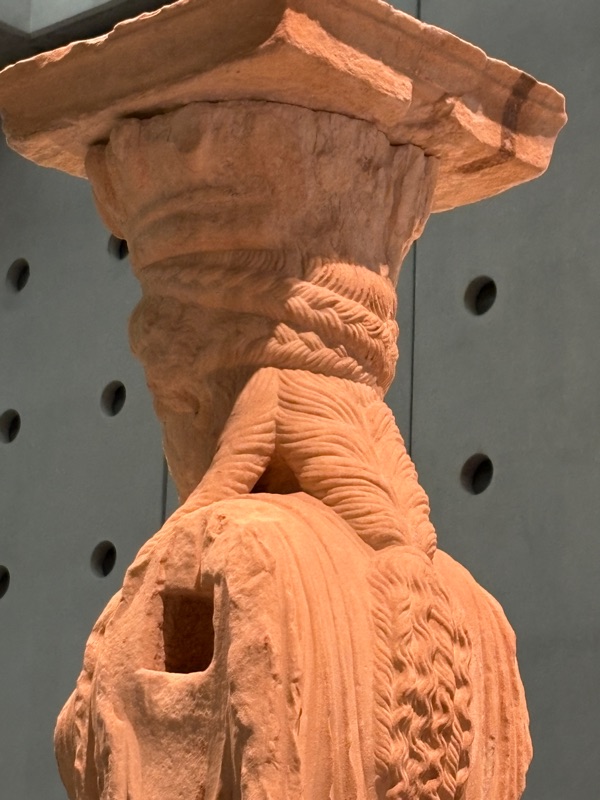
The Original Maidens of the Erectheion Temple (preserved in the museum)
 .
.  .
. 
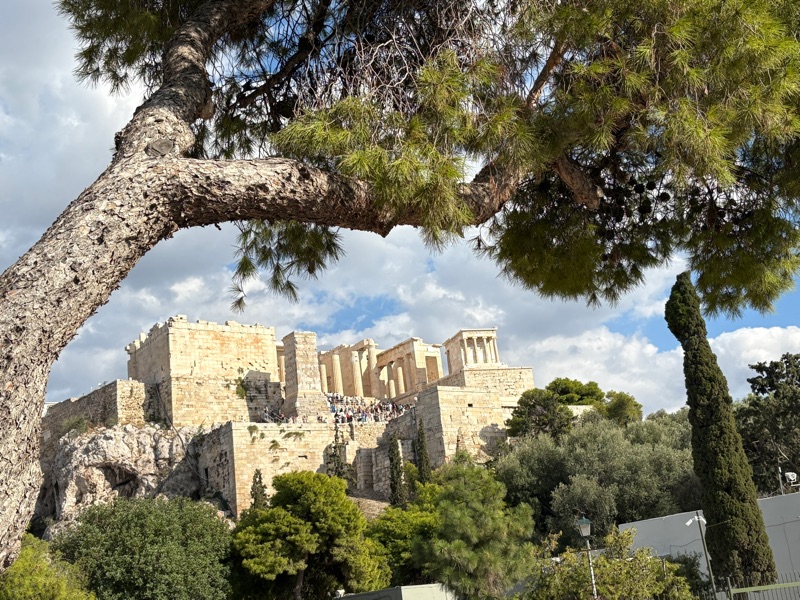
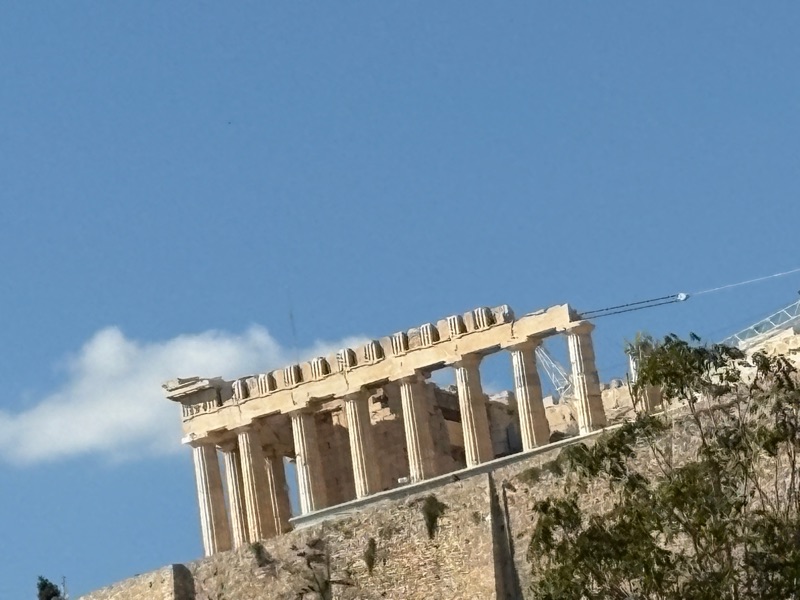
But I was fortunate to get a full view of the majestic Parthenon on the hill from below. If you are planning a visit, tickets are timed and should be purchased in advance on-line or you can miss this experience. You wouldn’t want that to happen, so get your ticket ASAP!
PELOPONNESE PENINSULA
West of Athens lies the Peloponnese Peninsula, a region rich in ancient history and home to Olympia, the birthplace of the Olympic Games. Delphi, another important stop on our journey, is located farther north in Central Greece.
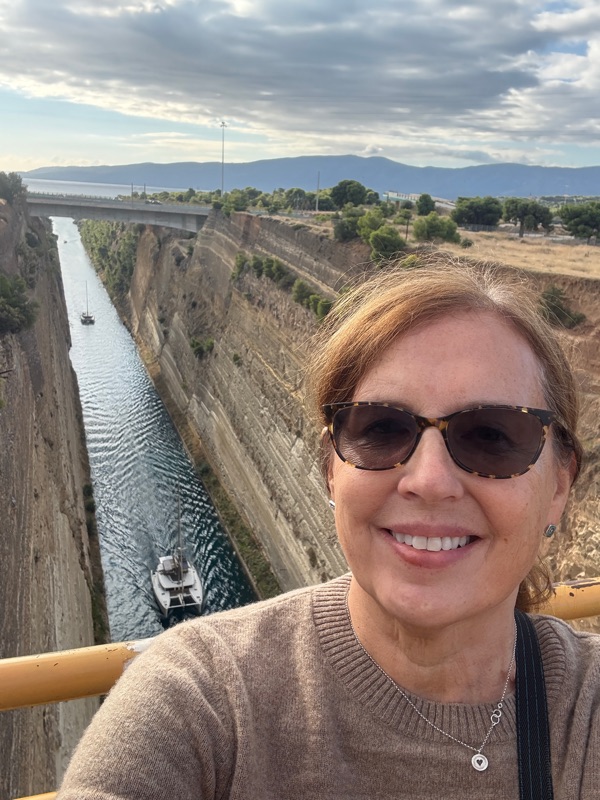
On our way to Olympia, we stopped at the Corinth Canal, a narrow waterway that cuts through the Isthmus of Corinth and separates the Peloponnese from mainland Greece.
MYCENAE
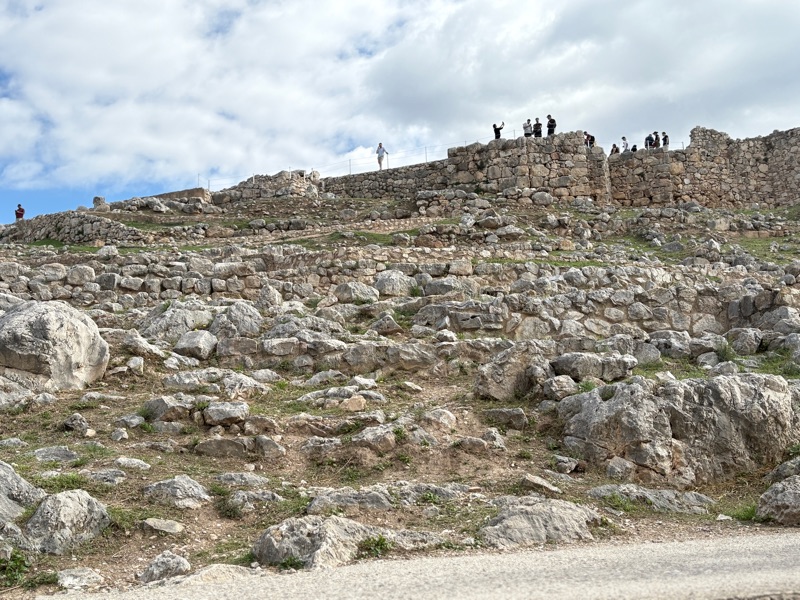
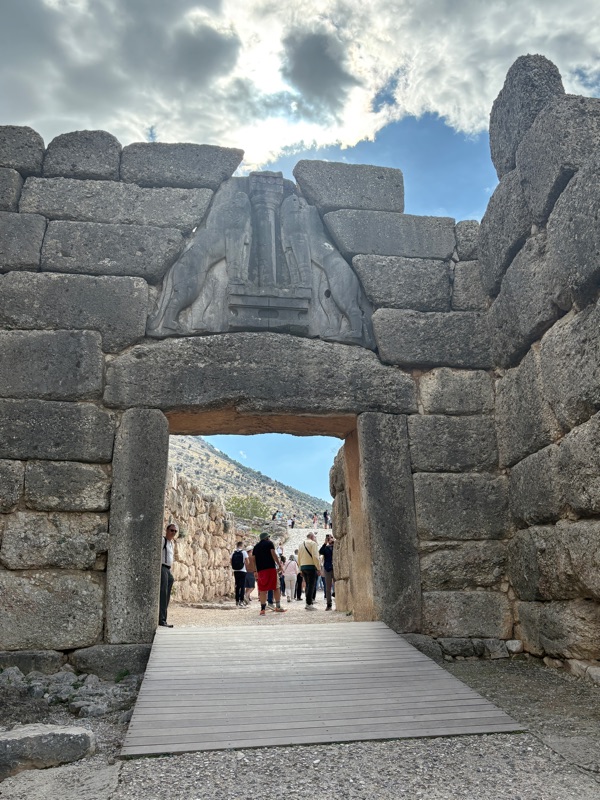
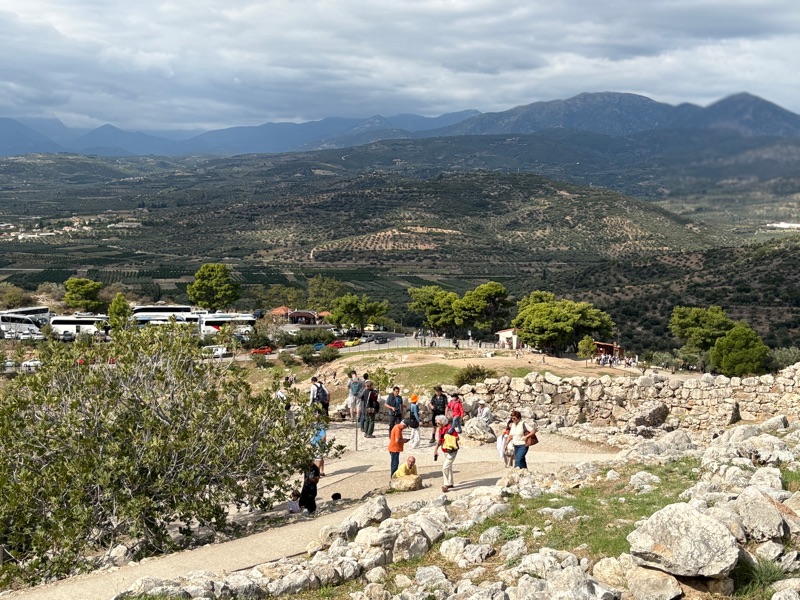
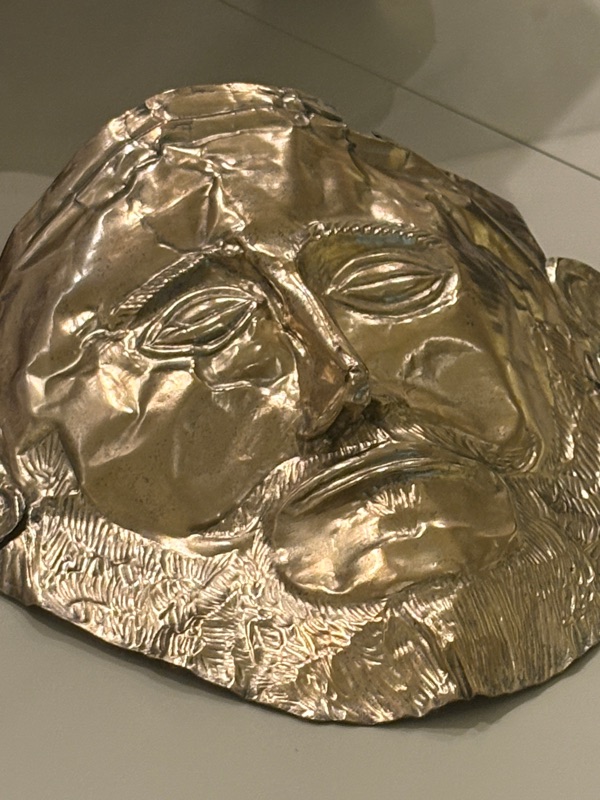
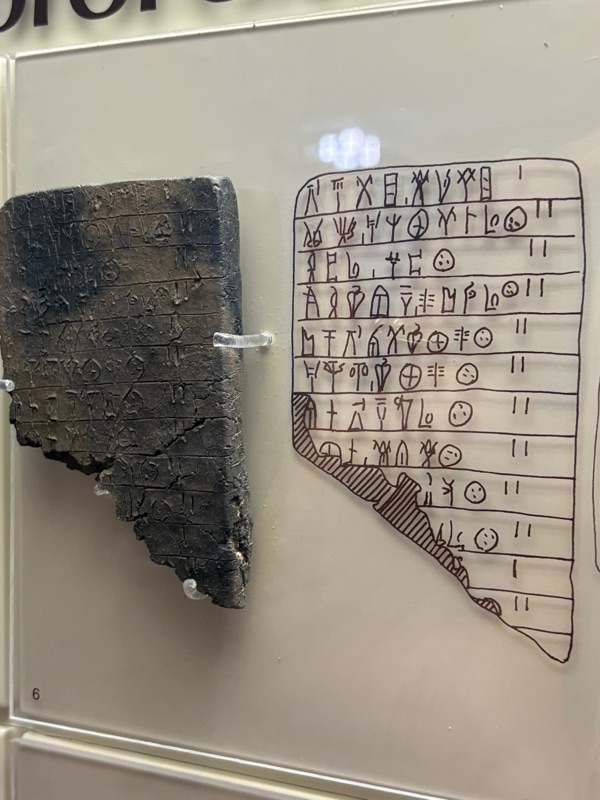
After a brief stop, we continued to Mycenae, an ancient citadel dramatically situated on a beautiful hilltop. Mycenae was the center of the powerful Mycenaean civilization and an important political, military, and economic hub during the Bronze Age.
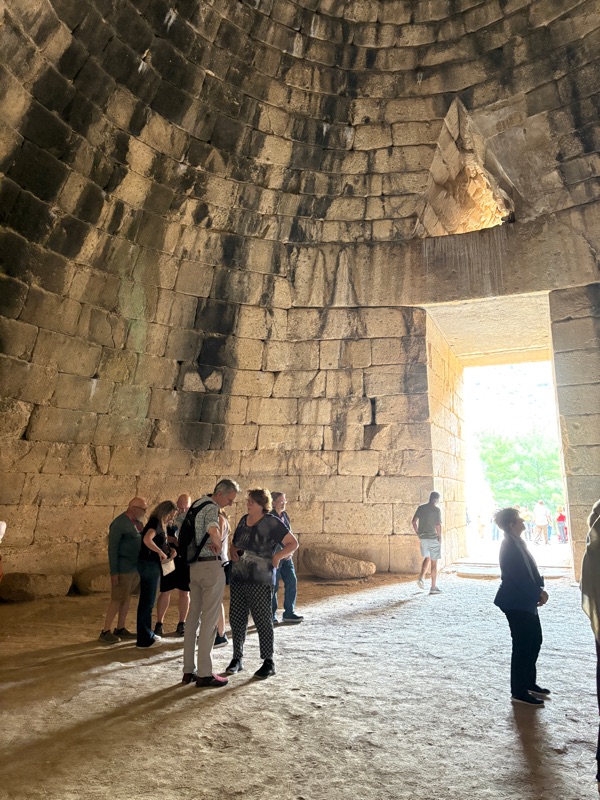
The city is closely connected with Greek mythology and King Agamemnon, who, according to Homer’s Iliad, led the Greek forces during the Trojan War. A short distance from the citadel stands the extraordinary Treasury of Atreus, an impressive beehive-shaped tomb traditionally known as the Tomb of Agamemnon—although archaeologists cannot confirm who was actually buried there.
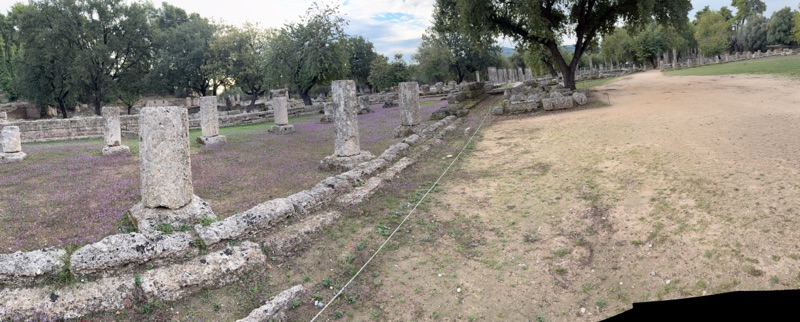
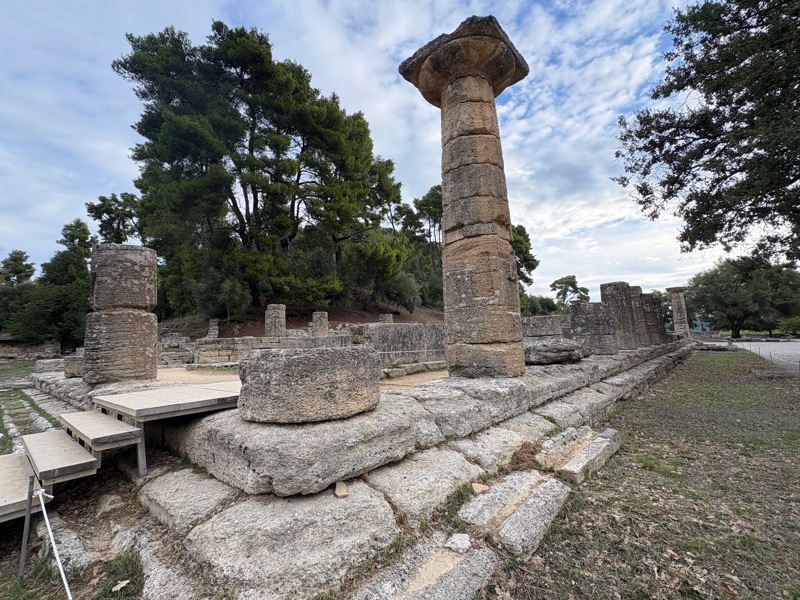
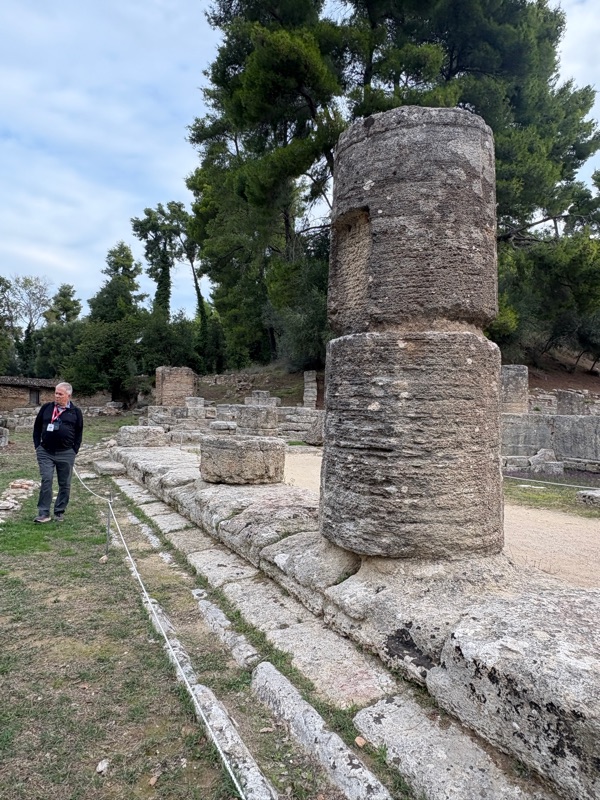
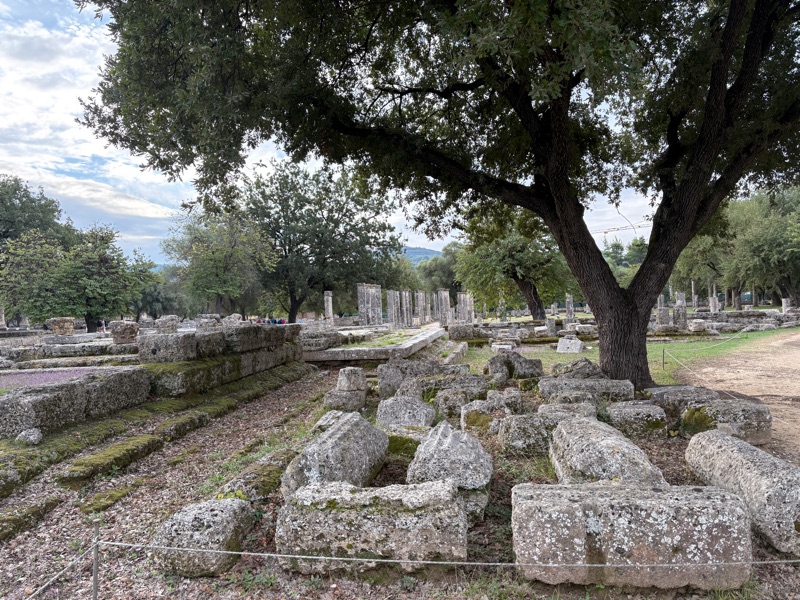
From Mycenae, we continued west across the Peloponnese to Ancient Olympia, the birthplace of the Olympic Games and a UNESCO World Heritage Site. The first recorded Olympic Games were held here in 776 BCE. Today, the archaeological site contains the remains of temples, athletic-training facilities, administrative buildings, and the original stadium.
Olympia was originally a religious sanctuary dedicated to Zeus, king of the gods. The ancient games were part of a religious festival rather than simply a sporting competition, combining athletic events, ceremonies, sacrifices, and cultural gatherings.
A sacred truce allowed athletes and spectators to travel safely to and from Olympia. Victors received a wreath made from olive leaves, symbolizing honor and glory.
For the full Olympic experience, we ran across the ancient stadium track. I started strong but ran out of breath toward the end. A man in our group, who appeared to be in fairly good shape, also took off down the track—but fell and needed medical attention. I can always count on something unexpected happening during my travels!
ARCHAEOLOGICAL MUSEUM OF OLYMPIA
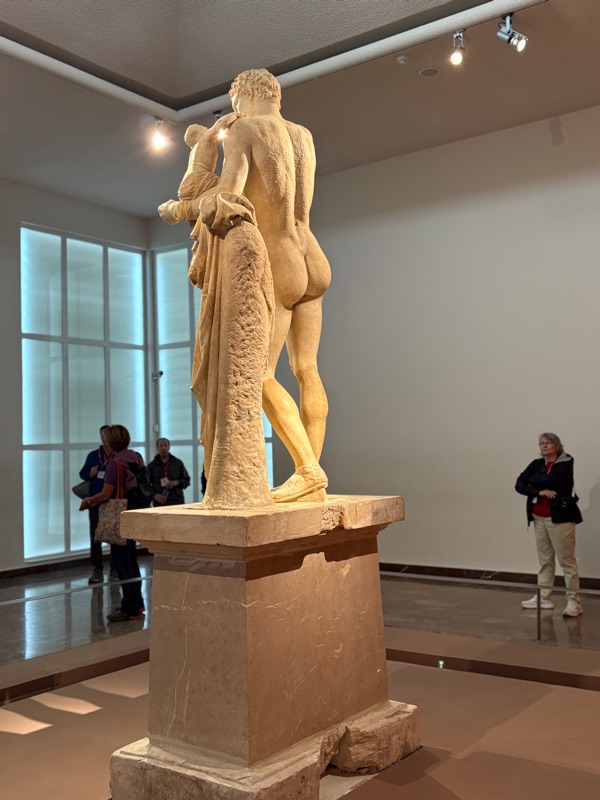
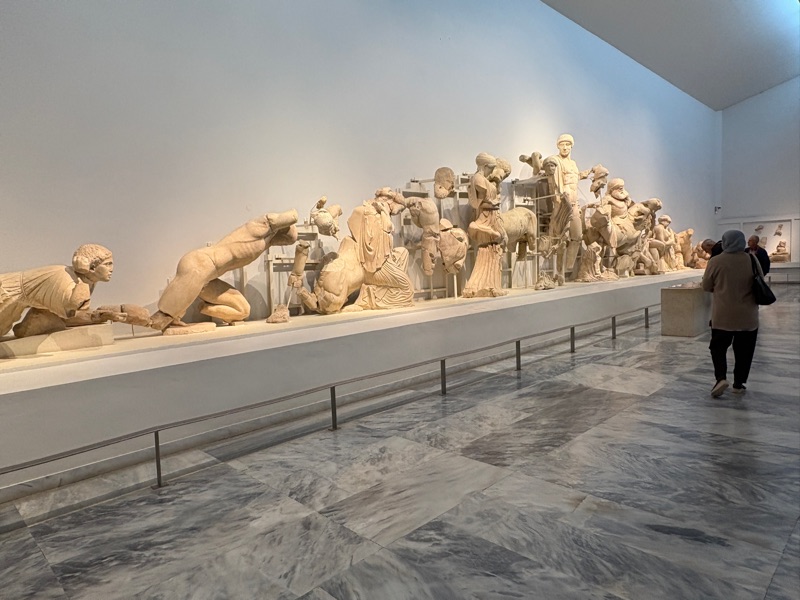
At the Archaeological Museum of Olympia, visitors can see many of the site’s most important ancient treasures up close. Highlights include the celebrated statue of Hermes, traditionally attributed to the sculptor Praxiteles, and the magnificent sculptures that once decorated the Temple of Zeus. These are considered among the finest surviving examples of ancient Greek art.
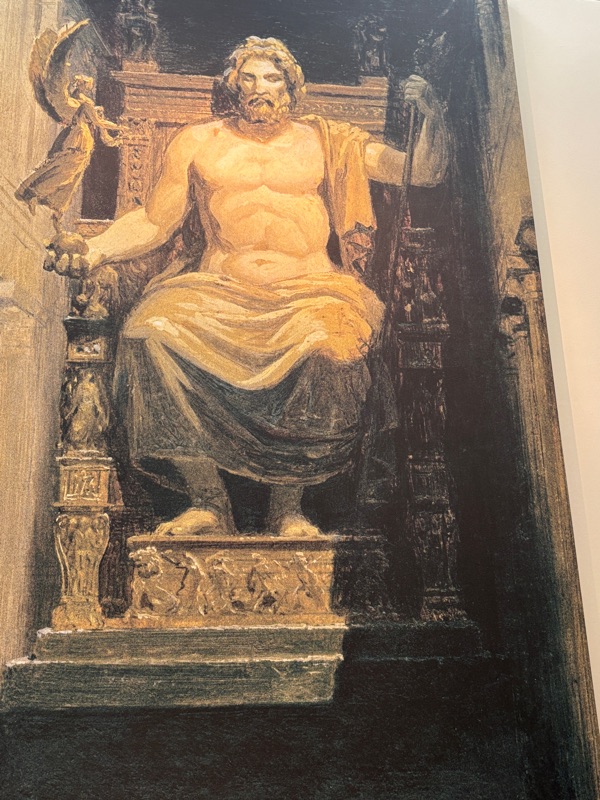
The Temple of Zeus once housed an enormous gold-and-ivory statue of the god, recognized as one of the Seven Wonders of the Ancient World. The statue has been lost, while the temple itself was damaged by earthquakes and gradually dismantled as people removed its stone and other materials.
Hermes
Painting of Zeus in his Temple - (Temple was destroyed 😢)
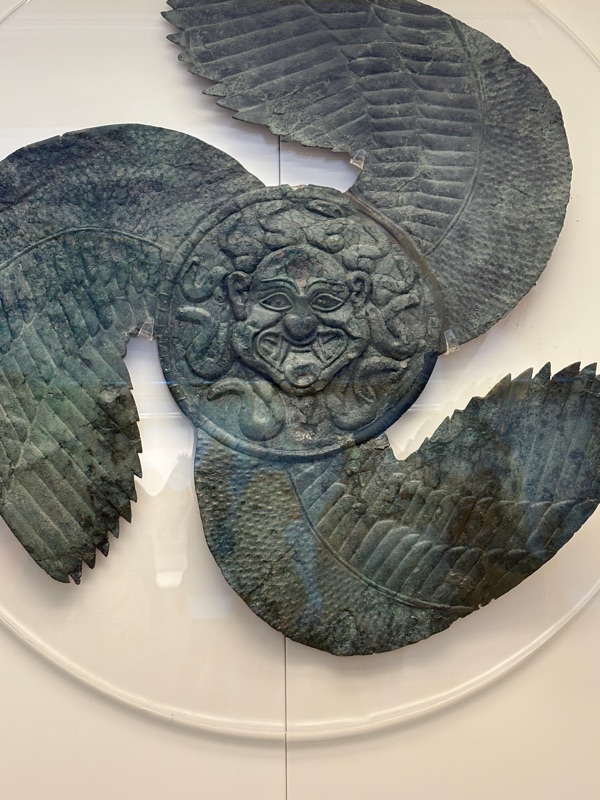
Medusa
Moving on to Delphi
After Olympia, we moved along to Delphi, stopping to take a cooking class, eat a delicious Greek lunch, and to pick up some quick Greek dance moves along the way.

On the way to Delphi, you cross the beautiful Antirrio bridge, the world's longest multi-span, cable-stayed bridge, to get across the Gulf of Corinth.
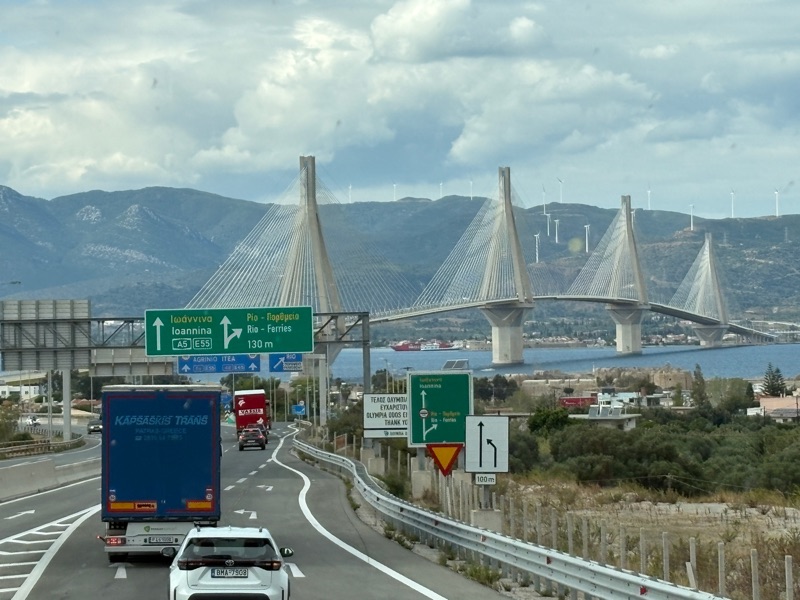
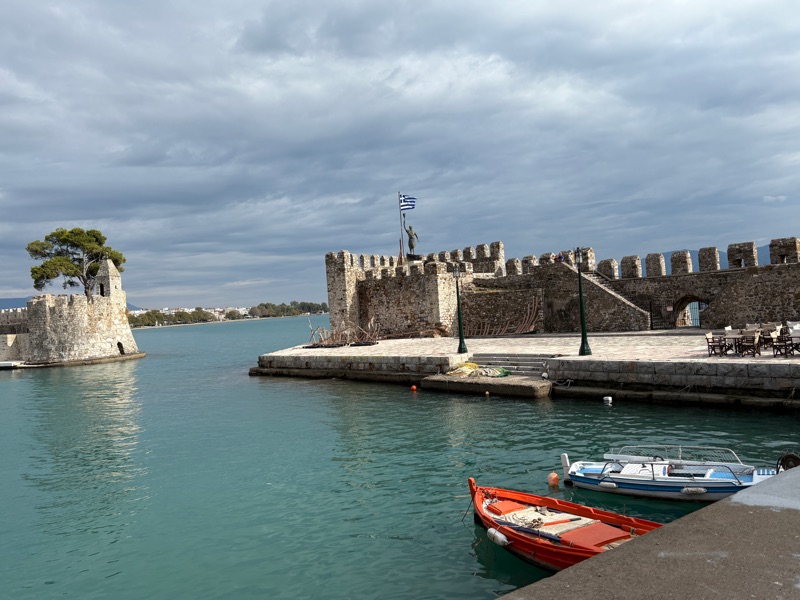
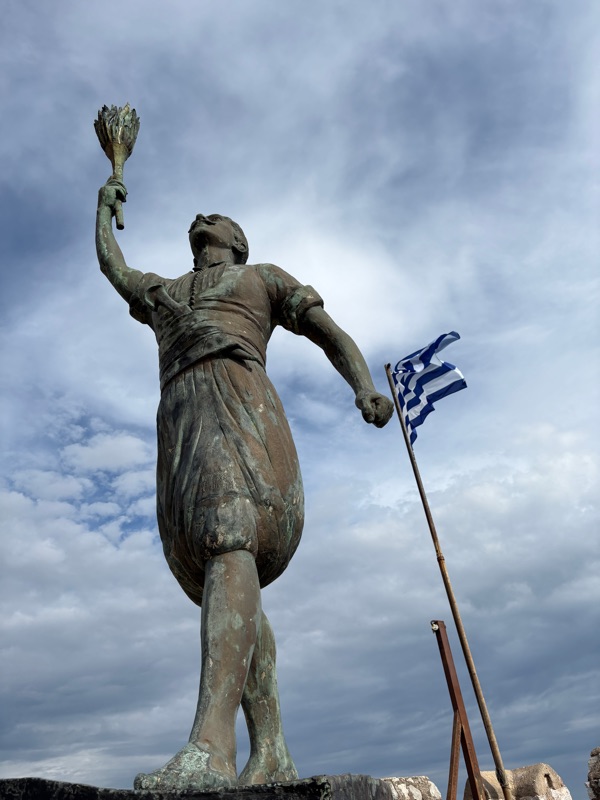
... and travel along a beautiful winding road with a landscape full of mountains and olive tree groves. The quaint seaside town of Nafpaktos is a convenient place to stop for a coffee and a walk on the beach and definitely a place worth returning to one day.
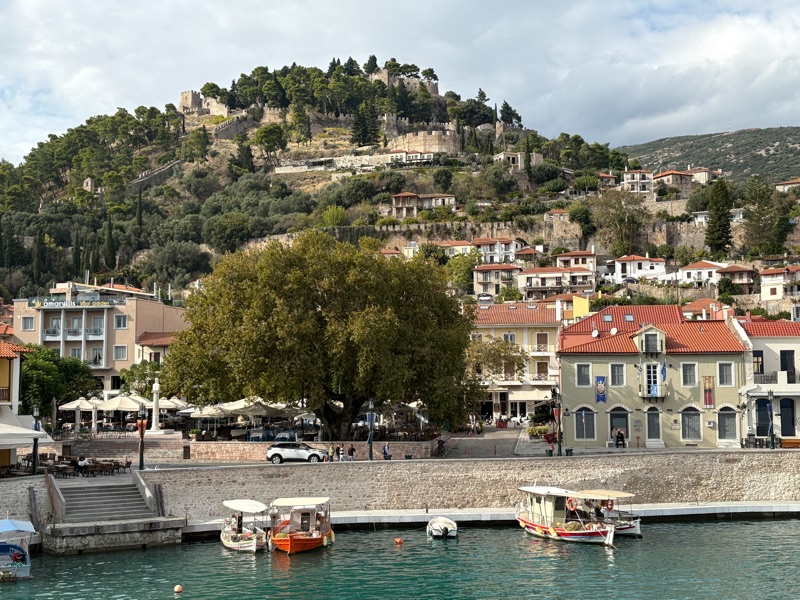
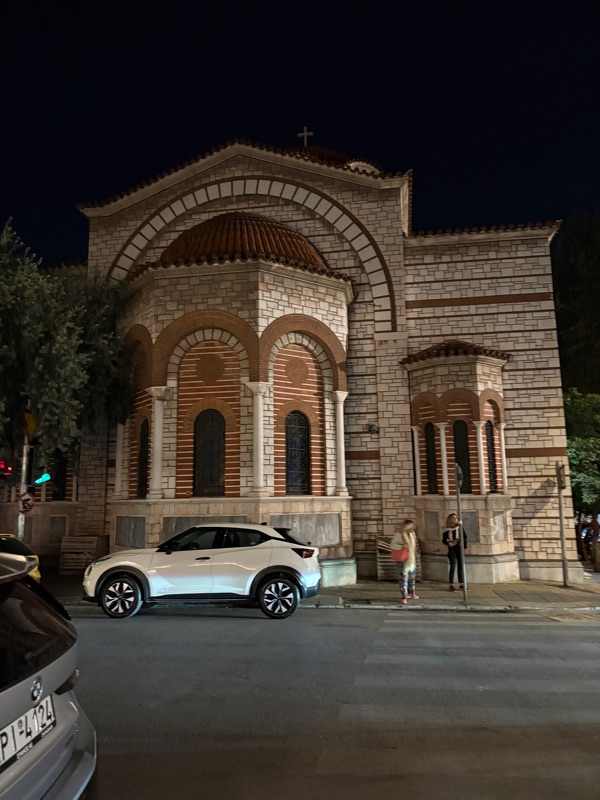
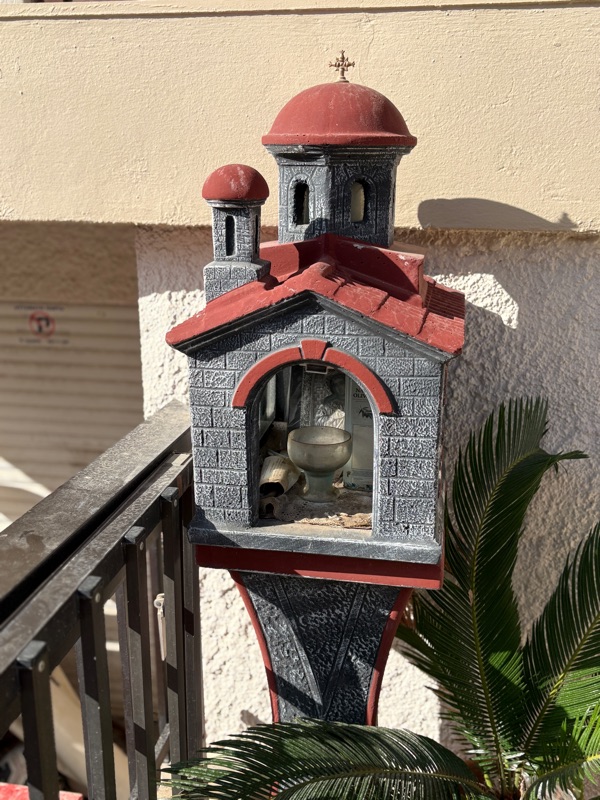
Unfortunately, the roads are marked with many small memorials, in the form of churches, for those who have passed in car accidents. Slow down!
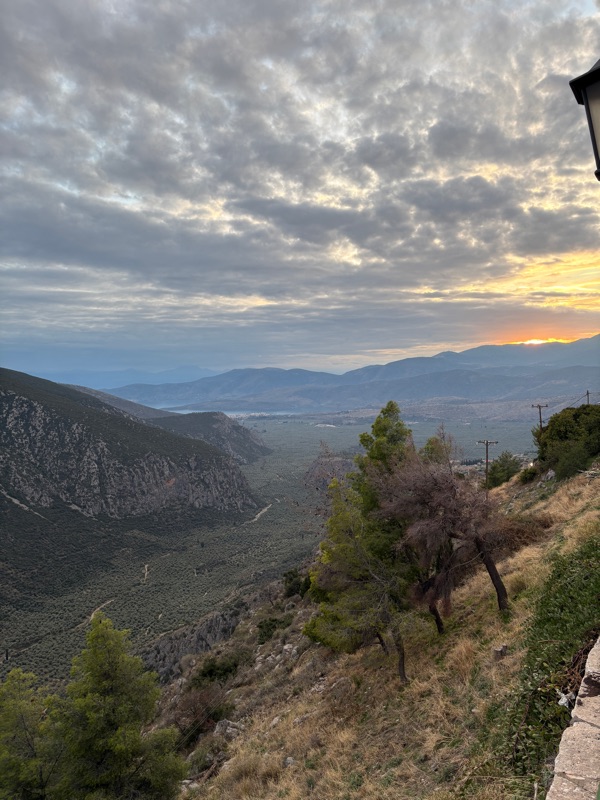
Once we arrived to our hotel, we were greeted by a delightful sunset.
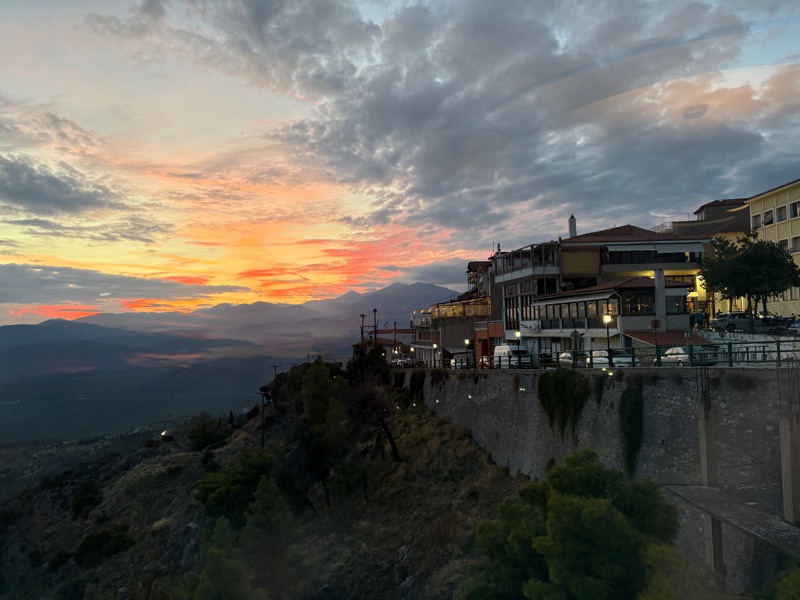
DELPHI
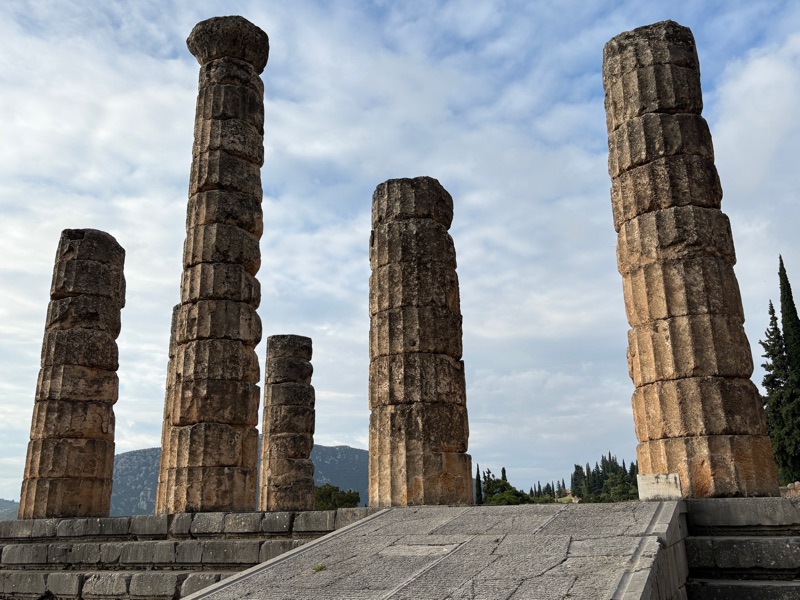
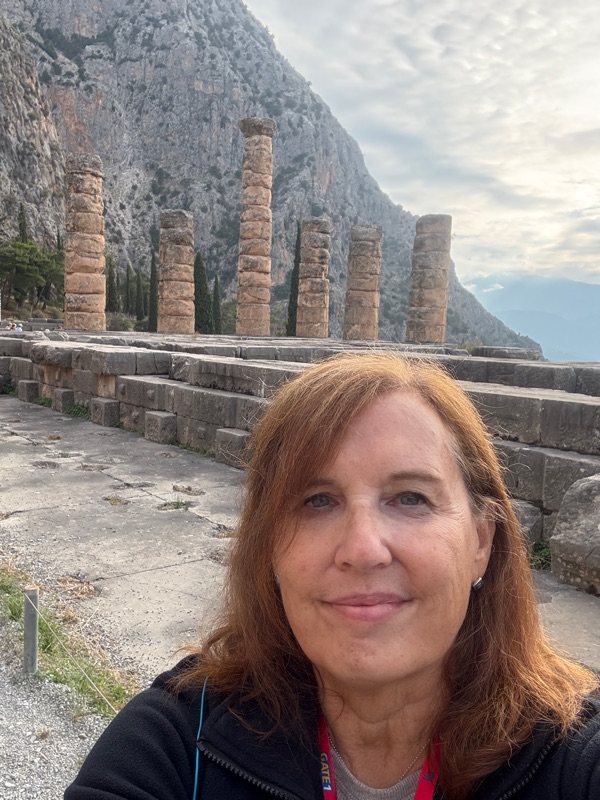
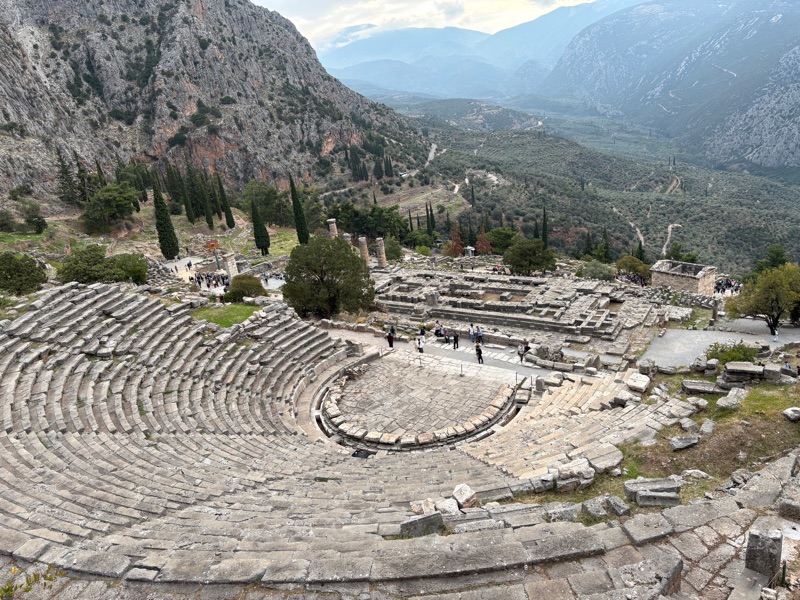
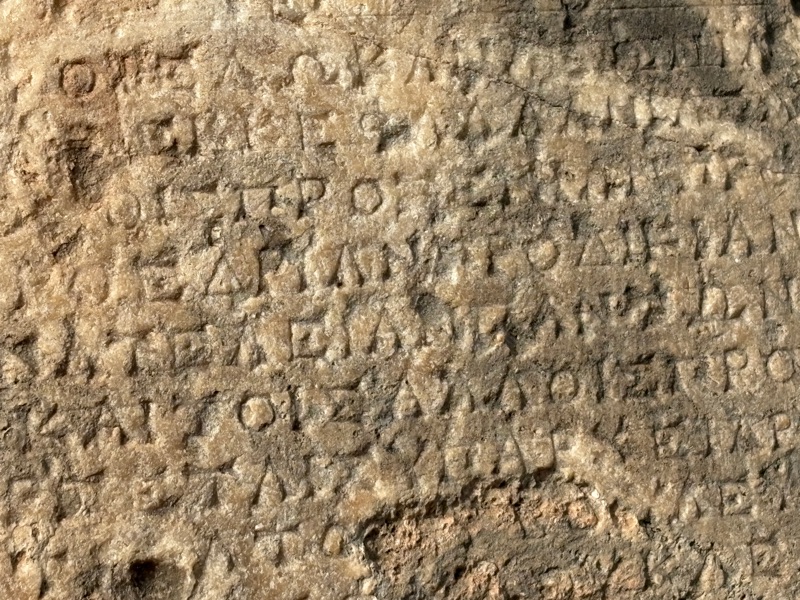
Set on the slopes of Mount Parnassus, Delphi is one of Greece’s most important archaeological sites and a UNESCO World Heritage Site. At its heart stands the Temple of Apollo, home of the famous Oracle of Delphi. Here, the priestess known as the Pythia delivered prophecies believed to have been inspired by Apollo.
The temple formed part of a much larger sacred complex that included treasuries, monuments, a theater, a stadium, and the Castalian Spring. Surrounded by mountains and overlooking a dramatic valley, Delphi was considered the center of the ancient Greek world.
TIPS...
TIP. #1: Reading some Greek mythology before visiting these sites is extremely helpful. Understanding the relationships among the gods, heroes, and rulers makes the temples, sculptures, and stories of this ancient civilization much more meaningful.
TIP #2: Greece is a treasure trove of ancient history. Near many of its remarkable archaeological sites, you will find a museum displaying the precious artifacts discovered there and protecting them from the elements. If you are not fond of museums, this may not be the ideal trip for you!
DELPHI ARCHAEOLOGICAL MUSEUM
The Delphi Archaeological Museum Delphi houses one of Greece’s finest collections of ancient art and religious artifacts. Many of its treasures were discovered at the Sanctuary of Apollo, home of the celebrated Oracle of Delphi. Together, the exhibits trace the history of the sanctuary from the Mycenaean period through late antiquity.
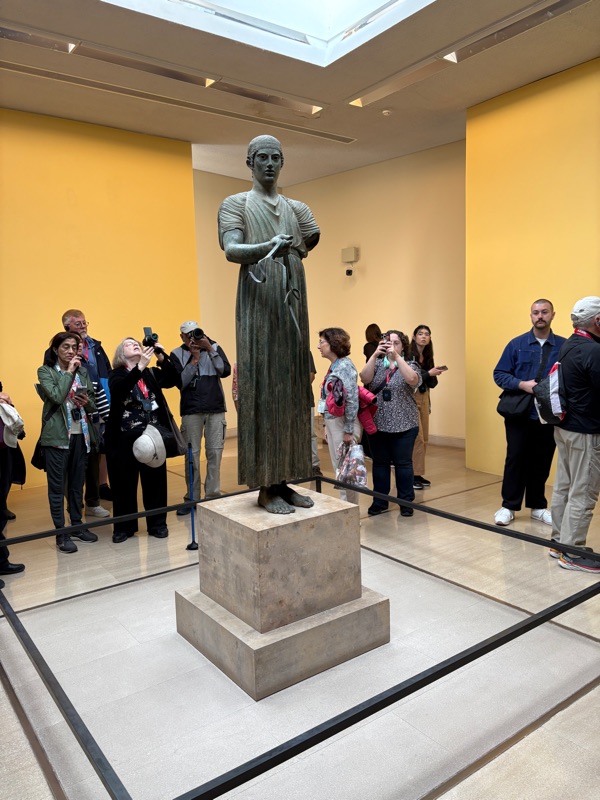
Among the museum’s greatest treasures is the Charioteer of Delphi, a rare and remarkably well-preserved bronze statue dating from the fifth century BCE. With its lifelike features and intricate details, it is considered one of the finest surviving masterpieces of ancient Greek sculpture.T
Charioteer of Delphi, a rare and beautifully preserved bronze statue,
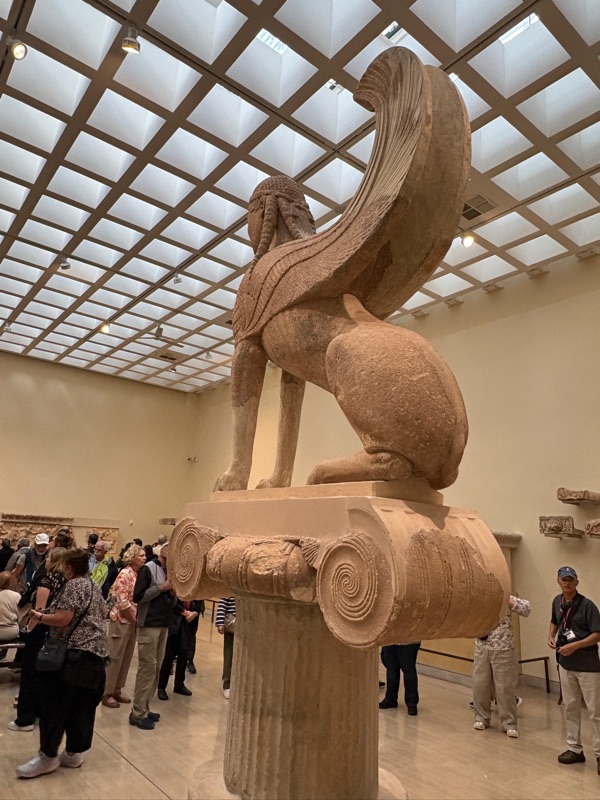
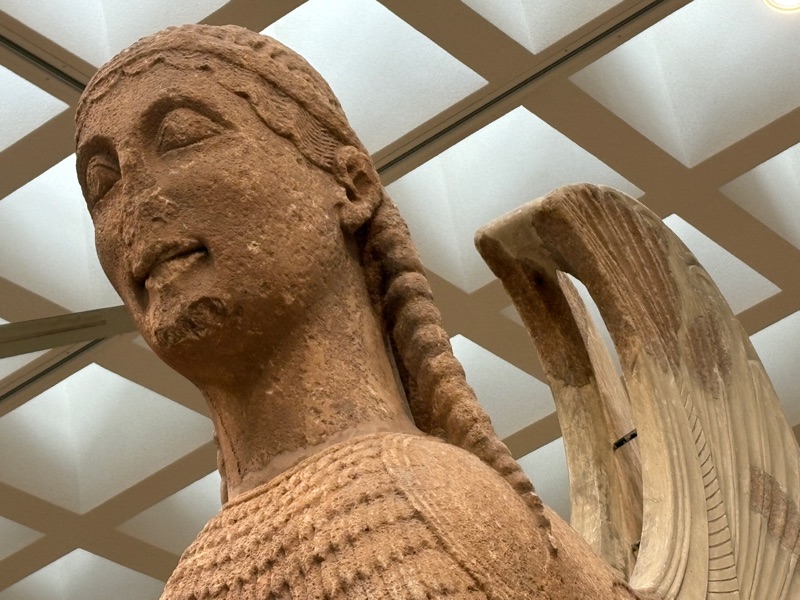
the Sphinx of Naxos,
And the Omphalo... Delphi was believed to be the center of the earth from this sacred stone.
So many treasures.
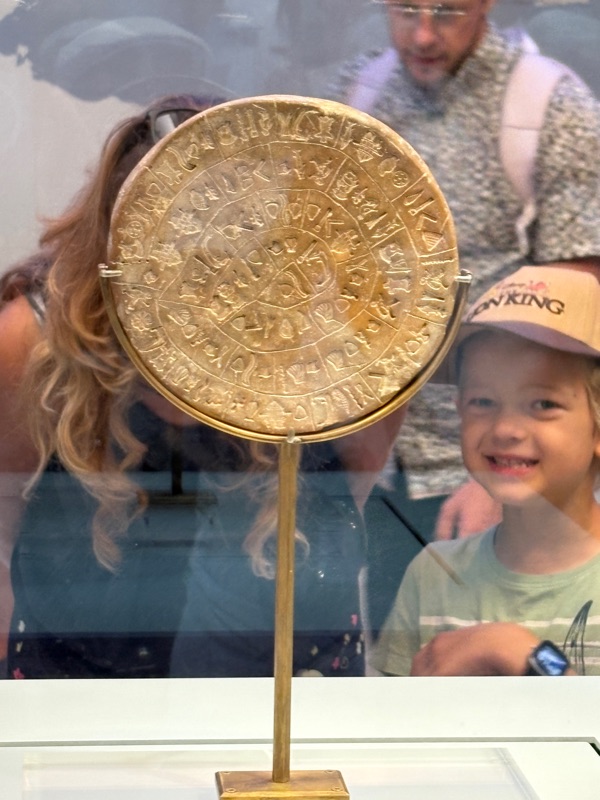
CRETE AND THE PALACE OF KNOSSOS
The Heraklion Archeological Museum houses an exceptional collection of artifacts spanning thousands of years of Cretan history. Its most striking treasures include the colorful Minoan frescoes and other objects discovered at the nearby Palace of Knossos.
Knossos is traditionally associated with King Minos and the Greek myth of the Labyrinth, where the fearsome Minotaur was imprisoned.
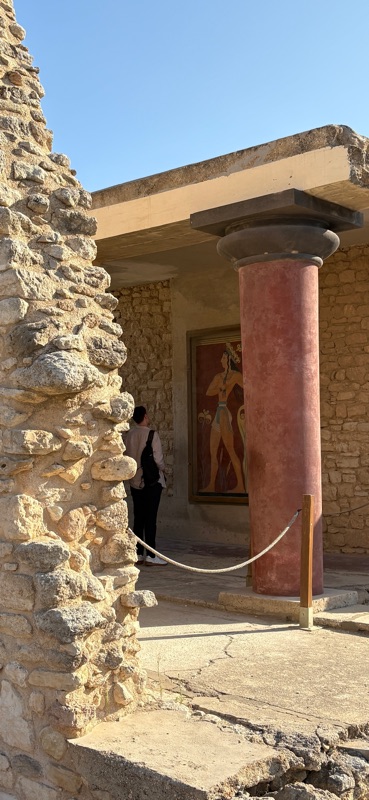
Just outside Heraklion lies the Palace of Knossos, the largest and most famous center of the Minoan civilization. Built around a spacious central courtyard, the enormous complex contained ceremonial rooms, workshops, storerooms, staircases, and elaborate living quarters. Its advanced drainage system, multistory construction, and colorful frescoes reveal just how sophisticated Minoan society was.
Walking through its maze of passageways, courtyards, and chambers makes the myths surrounding Knossos seem almost believable. Many of the original frescoes and artifacts discovered here are now protected and displayed at the Heraklion Archaeological Museum.
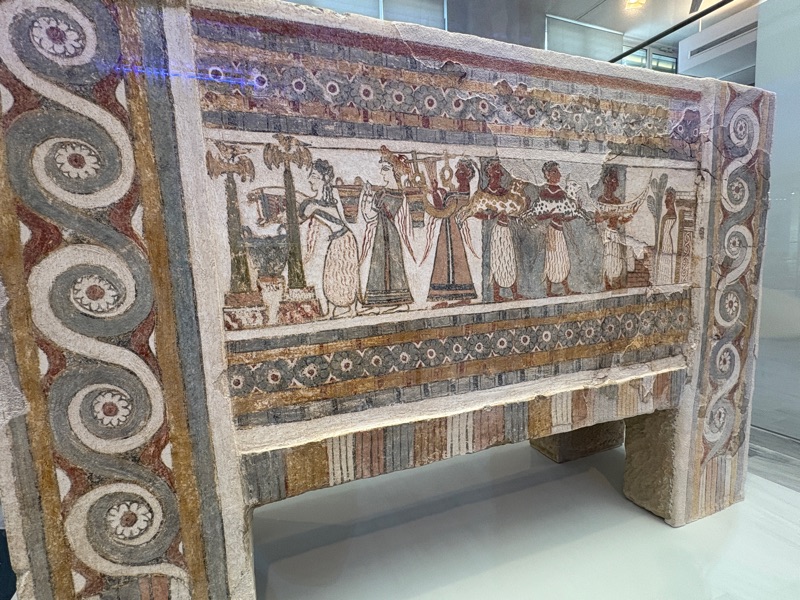
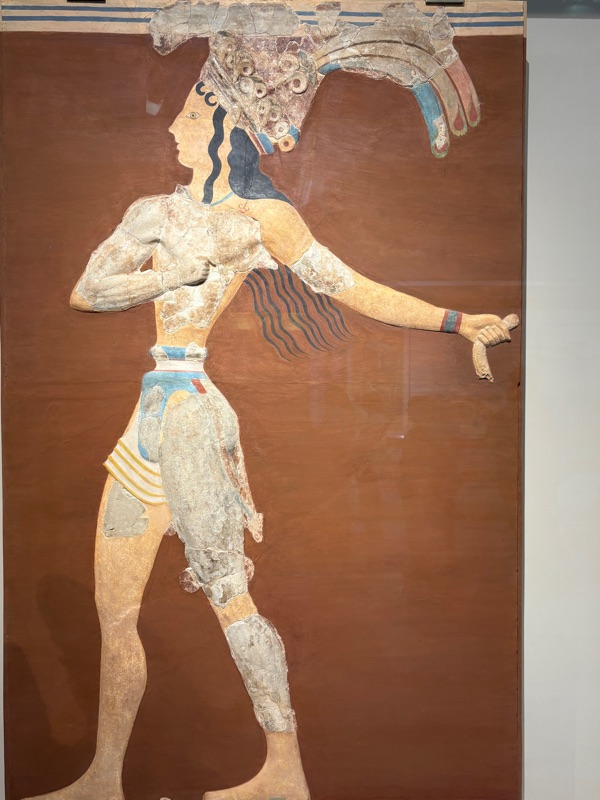
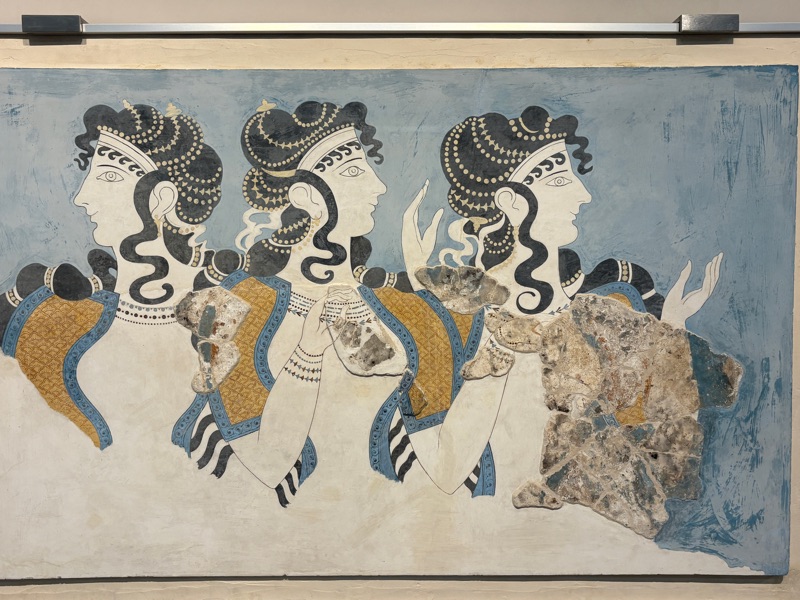
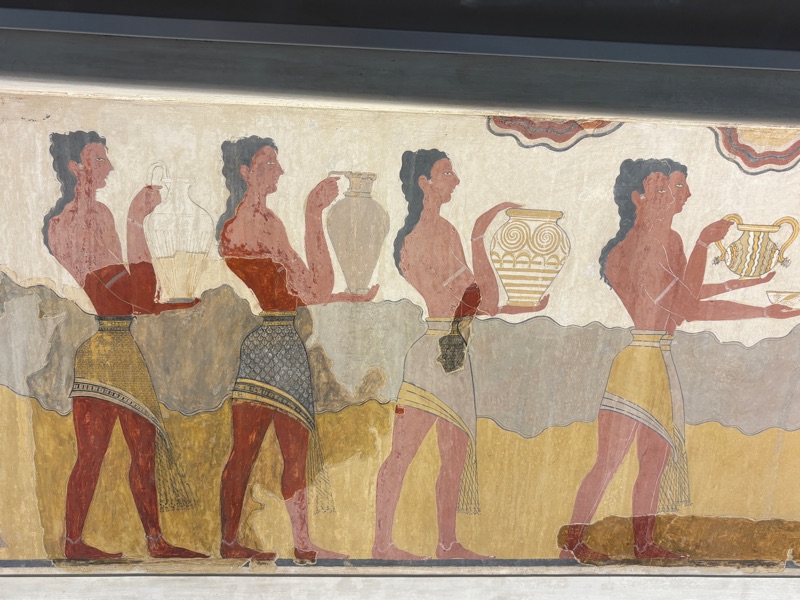
The actual palace is quite spectacular itself with over 150 rooms and is definitely worth a visit
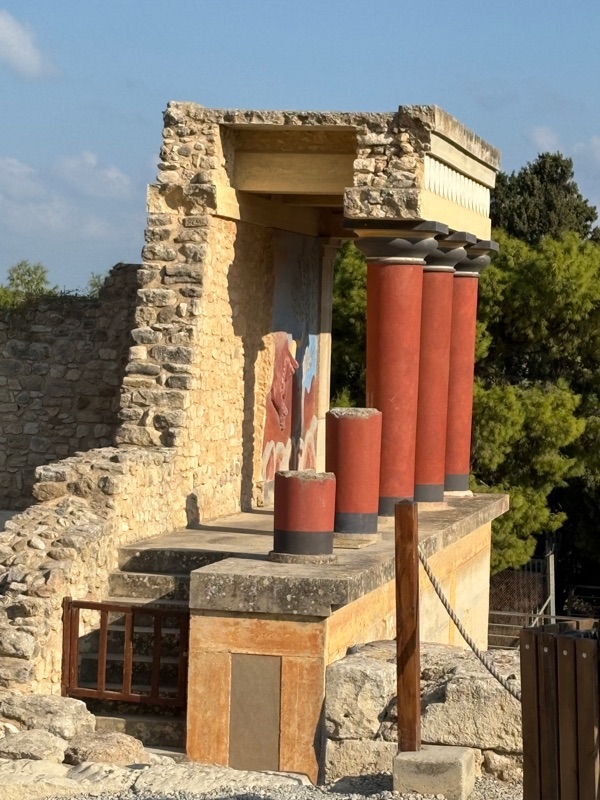
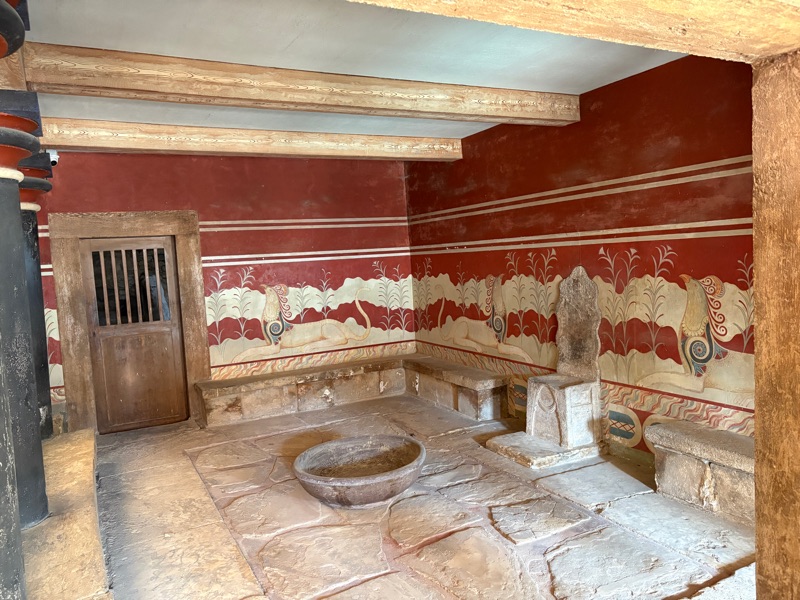
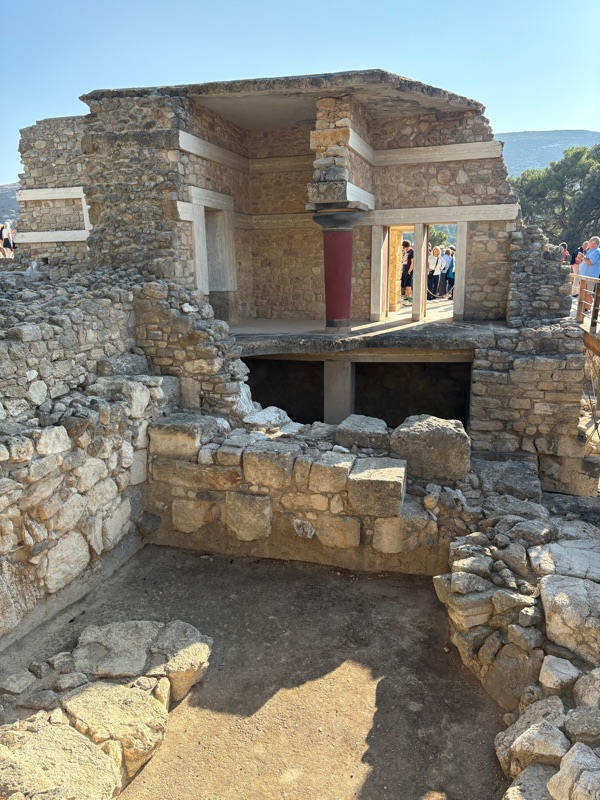
The island of Crete is charming and a lovely place to explore with much to see..

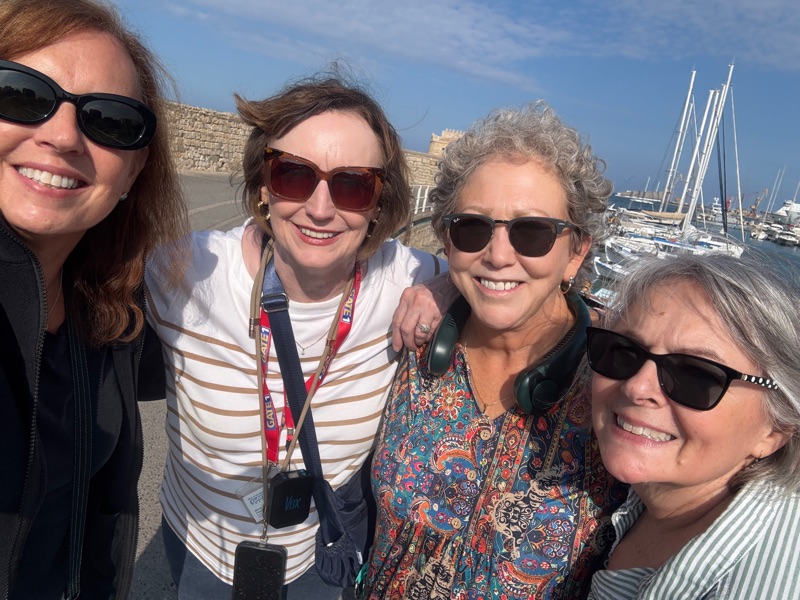
Making new travel friends
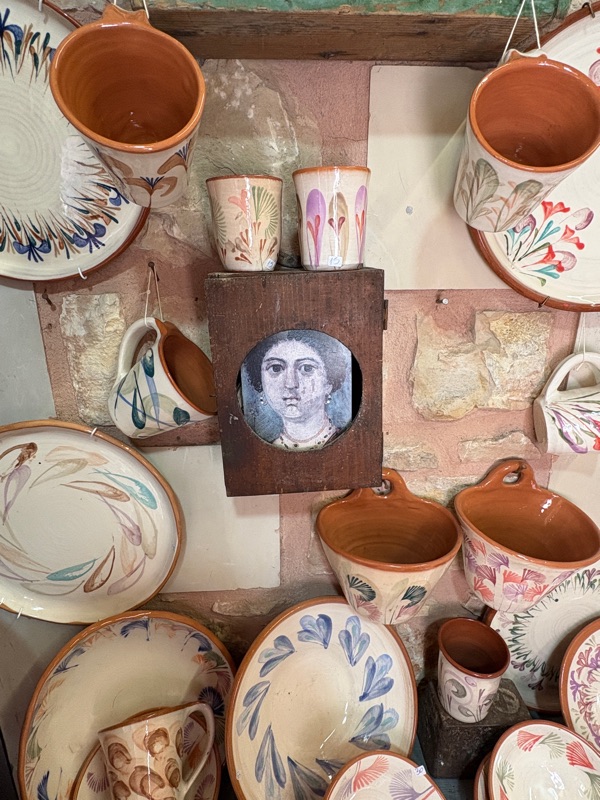
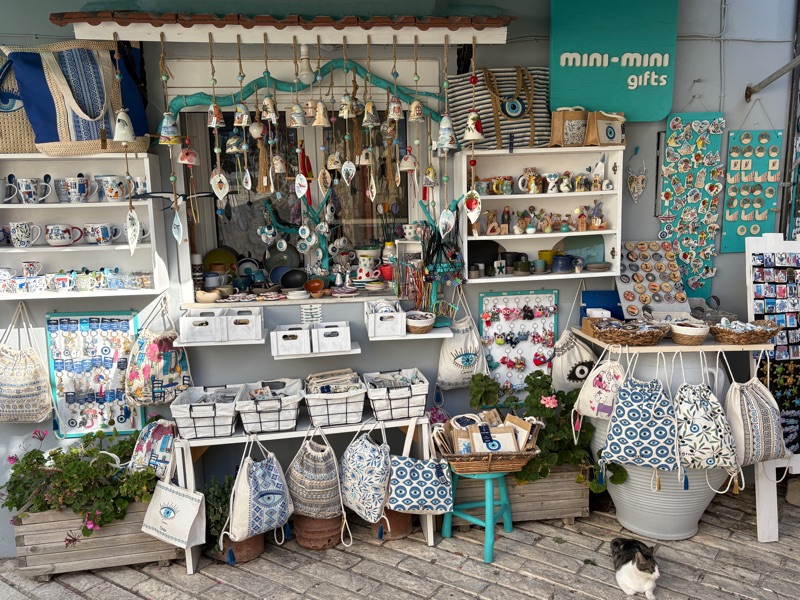
Margarites Village and its beautiful pottery
 .
. 
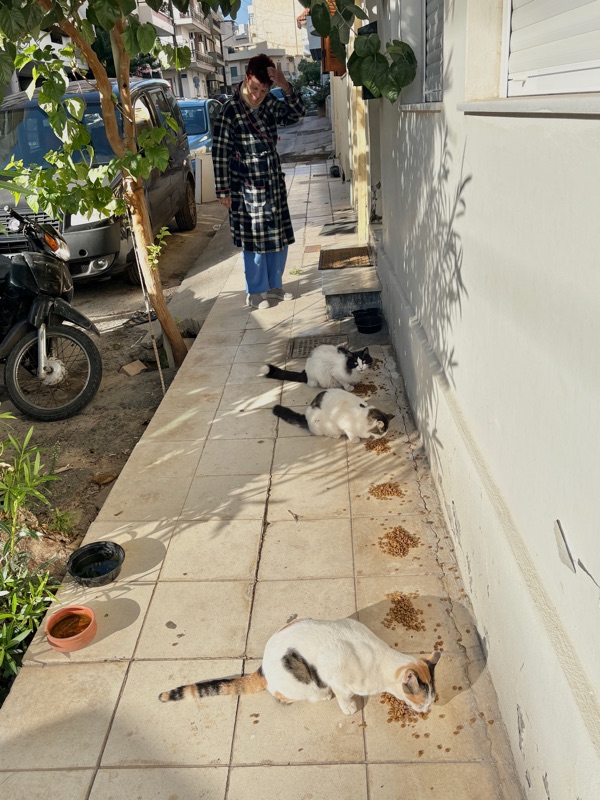
Feeding the Cats of Heraklion 🐈🐈⬛🐈
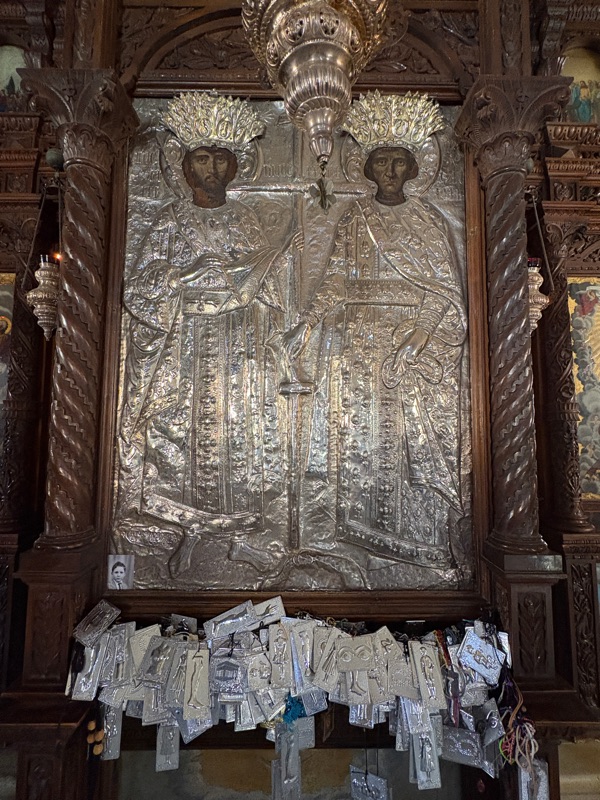
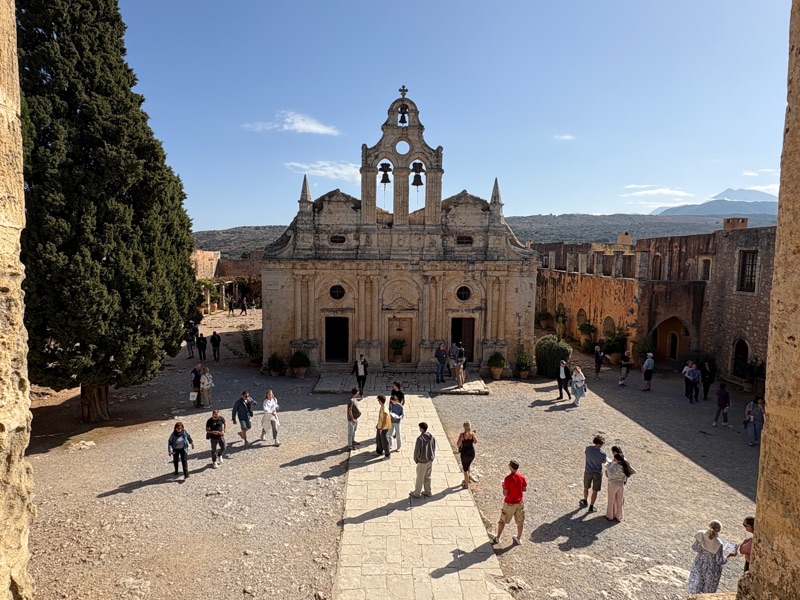
Arkadi is best known for its role in the Cretan uprising against Ottoman rule. In November 1866, hundreds of resistance fighters and local villagers, including many women and children, took refuge inside the monastery. Visitors can still see the ruined powder magazine, along with evidence of the fierce battle.
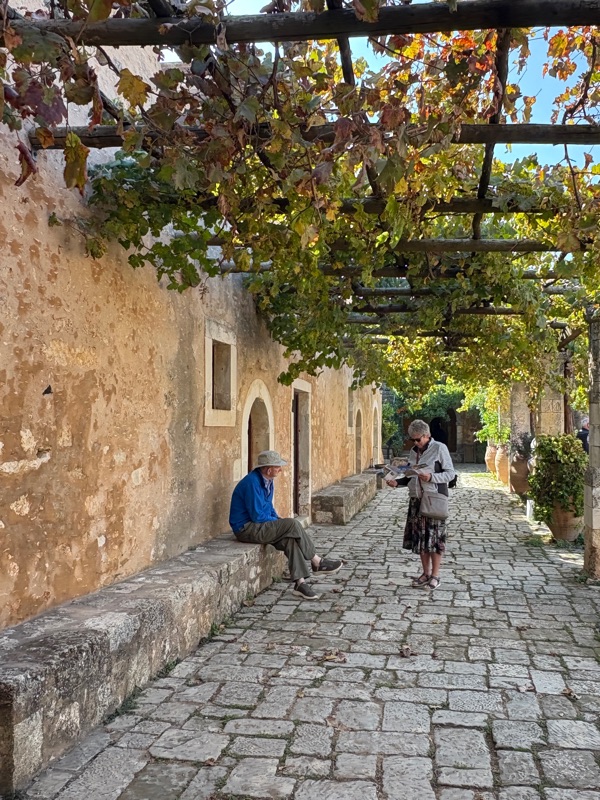
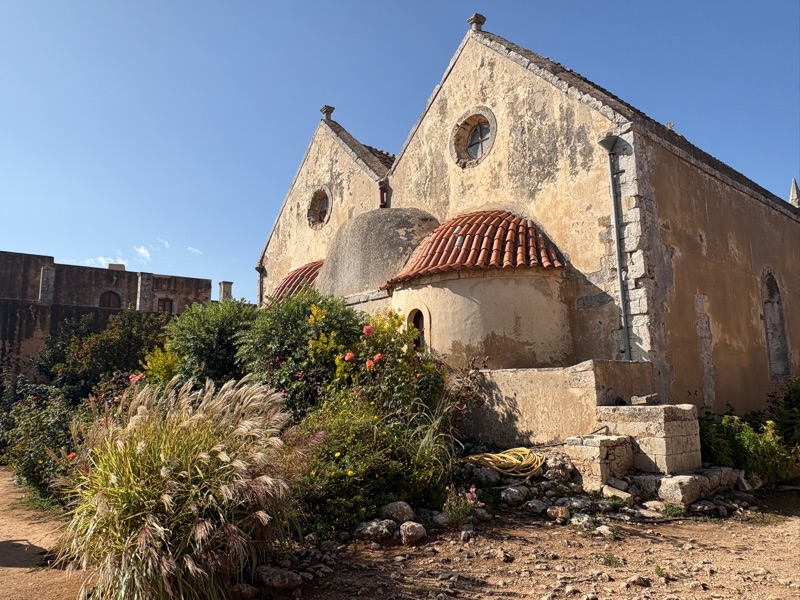
Despite its painful history, the monastery and its surroundings have a remarkable sense of beauty and peace.
 .
.  .
. 
MY TAKE ON THE PELOPONNESE AND CRETE
The Peloponnese brought Greek history and mythology to life at places such as Mycenae and Olympia. Crete introduced me to the sophisticated Minoan civilization at Knossos.
Each destination revealed a different chapter of Greece’s long and complicated history.
At times, the number of ruins, museums, and mythological characters felt overwhelming but I returned home with a greater appreciation for Greece and a better understanding of the civilizations that helped shape the Western world.
The beautiful landscapes, warm hospitality, and delicious Greek food were added bonuses.
There is so much more to discover than I can show here.You will just have go and see it all yourself.
Goodbye for now!
L not there, but getting cuter by the day.